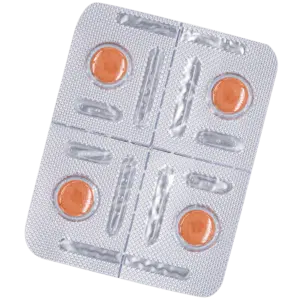
Perimenopause, the transitional stage before you reach menopause, typically starts in your mid forties, but it can begin in your late thirties or early forties. Despite the irregular periods during this time, you can still get pregnant. So it’s recommended to use effective birth control until you reach menopause.
There is no singular best birth control for perimenopausal women. Your doctor will look at your medical history, followed by your risks of health conditions. Aside from that, you won’t be limited by your age when choosing one.

Last updated on Jun 18, 2024.
- Perimenopausal women can use birth control to avoid pregnancy – it comes down to medical history and health risks, not age.
- Progesterone-only methods for perimenopause include the implant, injection, mini-pill, and coil – but not all are suitable for everyone.
- Combined methods can regulate menstrual cycles and relieve symptoms, but may pose risks if you smoke or have certain health conditions.
- Non-hormonal contraceptives, like condoms and copper IUDs provide effective birth control without hormonal side effects.
While there aren’t specific restrictions on birth control during perimenopause, your choices can be limited if you have certain medical conditions or health risks. For instance, hormonal contraceptives should be avoided if you’ve had breast cancer. Instead, your doctor will likely advise you to use non-hormonal methods, such as the copper IUD.
The only contraceptive method that’s not recommended for perimenopausal women is fertility awareness-based methods (FABM). It’s a natural contraceptive method that tracks your vaginal mucus and temperature daily to find your most fertile window where you would avoid sexual intercourse. However, during perimenopause, hormonal fluctuations can cause irregularities in your ovulation and menstrual cycle, making it difficult to accurately predict fertile days. As a result, FABM is an unreliable form of birth control and should be avoided to prevent unintended pregnancy.
Progesterone-only methods only contain the synthetic hormone progesterone. There are four main types: the implant, injection, mini pill, and hormonal intrauterine system (IUS), commonly known as the hormonal coil. This type prevents pregnancy by stopping the process of ovulation and thickening the cervical mucus, making it difficult for sperm to reach an egg.
The IUS is particularly useful as it is a very effective contraceptive; once it has been fitted you can forget about it for five years and it can also play an important role in HRT if you decide you would like this to help with menopausal symptoms.
Most women can safely use progesterone-only birth control, but some can’t, such as those who:
The implant is a long-acting reversible birth control (LARC) method that lasts approximately three years. It consists of a tiny plastic rod inserted under the skin of the upper arm, releasing small amounts of progesterone to prevent pregnancy. It’s over 99% effective if replaced every three years.
One of the primary advantages of the implant is its long-lasting nature, making it a hassle-free method that won’t require daily or monthly management. It can also help regulate your hormones, potentially reducing perimenopausal symptoms like mood swings and hot flashes.
However, some women may experience irregular bleeding as a side effect of the implant. This can make it difficult to track hormone levels and menstrual patterns during perimenopause.
The contraceptive injection, known commonly by the brand name ‘Depo-Provera’, is a LARC that lasts 8-13 weeks. Compared to other LARCs, it requires repeat injections every few months. It contains the active drug medroxyprogesterone acetate (MPA), which is a synthetic version of progesterone.
MPA can help relieve some menopausal symptoms and lighten your periods. But some studies have found that MPA can negatively impact bone density and estrogen levels.
Perimenopausal women already face the risk of bone fractures and osteoporosis, due to declined estrogen levels. MPA may further lower estrogen levels and bone density, possibly increasing your risk of osteoporosis. This was found in a study where women using MPA had a significant decrease in bone density, although the results did find the density returned to pre-MPA levels after discontinuation.
However, another study concluded that the use of MPA during menopause did not result in decreased bone density. Ultimately, individual responses to MPA can vary, so it’s hard to predict how MPA will affect you.
The hormonal coil or intrauterine system (IUS) is another LARC method that can last three to eight years, depending on the brand. It’s a plastic T-shaped device that’s inserted into your uterus and is over 99% effective in preventing pregnancy. It comes in three doses: 13.5 mg, 19.5 mg and 52 mg, allowing flexibility to adjust the dose to your individual needs.
An IUS can be particularly beneficial for perimenopausal women experiencing heavy menstrual bleeding. Its ability to decrease endothelial growth leads to lighter, pain-free periods. One study showed that perimenopausal women using the IUS experienced a significant reduction in heavy periods compared to those using MPA.
Furthermore, depending on the brand, some IUS, such as the Mirena coil, can offer both contraceptive and HRT effects. This allows you to get the benefits of HRT while simultaneously having effective pregnancy protection.
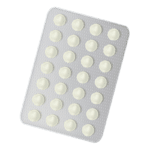
Progesterone-only pills (POPs), also known as mini-pills, are progestin-only pills suitable for individuals who can’t take estrogen. They need to be taken daily, which can be slightly less convenient than other progesterone-only methods. Mini pills come in various doses and with different active ingredients, so if one doesn’t work well for you, there are other options that you can try.
For menopausal women who cannot use estrogen, mini pills offer a safer alternative with a lower risk of high blood pressure, blood clots, and stroke compared to combined hormonal contraceptives. Additionally, POPs are less likely to cause estrogen-related side effects such as breast tenderness, bloating, and headaches, making them more tolerable for some individuals.
However, mini pills may be less effective in managing menopausal symptoms due to the lack of estrogen. So you might not notice much improvements in your menopausal symptoms, such as vaginal dryness.
Birth control: Here's what we've got.
Estrogen-free mini pill that has a 24-hour window to take a missed pill.
Norethindrone-based alternative. 3 hour window if you're late taking it.
The generic version of Camila. A cost-effective mini pill you take every day.
Progestin-only mini pill to prevent pregnancy and lighten periods.
Well-known progestin-only pill to prevent pregnancy. Ideal if you’re sensitive to estrogen.
Combined contraceptive methods contain a combination of two synthetic hormones: estrogen and progesterone. There are three main types: the patch, combined pill, and contraceptive ring. These combined contraceptives work similarly to progestin-only methods by thickening the cervical mucus, which prevents the sperm from reaching the egg, and also by inhibiting the maturation of the egg, preventing ovulation.
Generally, combined contraceptives are safe for menopausal women, but if you are over 35 and at risk of getting a stroke, ischemic heart disease and cardiovascular disease, then it’s best to avoid them. You should also avoid them if you have high blood pressure, or smoke more than 15 cigarettes a day. Combined contraceptives aren’t suitable for women over 50 years.
The birth control patch is a square sticky patch that’s applied to your skin each week. It’s commonly known by the brand name Xulane, which contains ethinyl estradiol and norelgestromin in a single dose. It can be used up until the age of 50.
For perimenopausal women, the contraceptive patch can help regulate hormonal fluctuations, which can alleviate menopausal symptoms, such as hot flashes, night sweats, vaginal dryness and mood swings. This can make the transition to menopause much smoother.
However, in some cases, you might get estrogen-related side effects while taking it, such as nausea and breast tenderness. Generally, they go away as your body adjusts, but for some individuals, they can worsen during perimenopause. And like most hormonal contraceptives, it can mask menopausal changes making it difficult to understand your body during the transition.
Birth control: Here's what we've got.
A combined hormonal birth control you stick to your skin and change once a week.
Seven-day contraceptive patch that contains the same hormones as Rigevideon and Microgynon.
A hormonal skin patch that you change once a week to prevent pregnancy.

Combined pills are available in different doses and combinations of synthetic estrogen and progesterone. So, if one combined pill doesn’t suit your individual needs, there are alternatives with different ingredients that could potentially offer better compatibility and effectiveness.
Combined pills can ease your transition into menopause by restoring the regularity of your menstrual cycle, improving menopausal symptoms, like hot flushes, night sweats and vaginal dryness and preventing endometrial hyperplasia (irregular thickening of the uterine lining).
This prevents irregular bleeding and reduces the risk of endometrial cancer. You’ll also have a regular bleed during the pill-free week every month, which further helps regulate your menstrual cycles and prevents abnormal bleeding.
Furthermore, more benefits were found with a higher dose of estrogen (30–35 mcg) compared to the lower dose (20 mcg), including controlled bleeding and improvement in hormonal migraines.
However, the continuous use of combined oral contraceptives during menopause should be discussed with your doctor as it can lead to increased health risks. So it’s important to stop taking combined oral contraceptives at the appropriate time (and definitely before the age of 50) and look for suitable alternatives.
Birth control: Here's what we've got.
Similar combined hormonal birth control pill to Yaz and Yasmin. Up to 99% effective at preventing pregnancy.
The same active ingredients as Yaz but with a little more estrogen.
Daily birth control that can help manage irregular periods and acne. Similar to Estarylla and Femynor.
Regular estrogen dose pill that helps with PMS symptoms. Similar to Apri and Viorele.
Daily birth control pill. A low-dose pill, so you’re less likely to get side effects.
The same active ingredients as Lutera. A birth control pill you take every day.
A combined birth control pill that's similar to Yaz but cheaper. Can help manage acne.
Combined pill that's similar to Briellyn.
Pill with a "regular" estrogen dose. Very similar to Isibloom and Viorele.
A combined pill that's also available as the triphasic Alyacen 7/7/7.
The inactive pills contain an iron supplement. Similar to Loestrin Fe and Blisovi Fe.
The same active ingredients as Sprintec in a different pill. Up to 99% effective.
Phasic version of Estarylla. Similar to Tri-Sprintec and Femynor.
Cryselle is a low- dose combined pill. Lower dose equals lower risk of side effects.
Similar pill to Alyaecen. Comes in different doses and a triphasic option (Necon 7/7/7).
A combined birth control pill with iron in the inactive week. Over 99% effective with perfect use.
A combined pill with a lower dose of hormones. Prevents pregnancy and can help make periods lighter.
Birth control that helps manage acne. Low-dose version of Yasmin.
Tri-Sprintec is a daily contraceptive pill that also helps with acne. The hormone levels vary to mimic your natural cycle.
A triphasic birth control pill. Adjusts hormone levels throughout the month.
Lutera is a low-dose combined pill that protects against pregnancy.
A daily birth control with 21 active pills and a week of spacers.
Combined pill that's similar to Sprintec and Prevfiem.
An extended-use biphasic pill available as Camrese and Camrese Lo.
There's an iron supplement in the inactive pills. A lot like Loestrin Fe and Junel Fe.
Kelnor is a combined pill that uses a less common progestin. Comes in two strengths.
A biphasic combined birth control pill that mimics your natural cycle.
Like Levora and Portia but a little cheaper.
A combined contraceptive that uses two hormones to prevent pregnancy.
Phased hormone pill. Similar to Previfem with alternating doses help to control menstrual symptoms.
Extended-cycle pill that might ease menstrual discomfort and may be less likely to have side effects.
A daily combined pill that helps prevent pregnancy. May make your period lighter and less painful.
A triphasic pill giving you three different doses of hormones throughout the month.
Combined pill that comes in different 'phase' options to better match your cycle.
Lower dose version of Apri. Good option if you get mild side effects on higher estrogen pills.
Chewable combined pill with added iron to support your levels during your period.
The birth control ring, also known as the vaginal ring, is inserted into the vagina and remains in place for three weeks, which is then followed by a ring-free week. The contraceptive ring requires replacement every three weeks, compared to weekly with the patch or daily with the pill. But on the flip side, it can be uncomfortable to insert and shouldn’t be used after the age of 50.
Compared to combined oral contraceptives, individuals using the contraceptive ring reported fewer accounts of nausea, irritability and depression, but did have a higher frequency of vaginitis (vaginal infection) and genital itching.
A potential benefit is the vaginal lubrication you get from the localised estrogen. Many menopausal women suffer from vulvovaginal atrophy, a condition that causes symptoms, like vaginal dryness, irritation, and soreness. In a study, up to 98% of individuals who used the contraceptive ring felt their symptoms improved significantly.
Birth control: Here's what we've got.
A reusable vaginal ring you wear for three weeks at a time to prevent pregnancy.
Generic contraceptive ring that's similar to NuvaRing. Each ring lasts three weeks.
Small, flexible ring. Sits in the vagina and works like the pill. Only needs changing once a month.
There are three main options for non-hormonal methods of birth control, including condoms, copper IUD, and sterilisation. These methods are good for perimenopausal women who want effective protection without the additional hormones. They can also be suitable for women who have or are at risk of breast cancer.
Barrier methods, such as male and female condoms, are a reliable form of birth control for menopausal women. They’re effective at preventing pregnancy and can offer protection against sexually transmitted infections (STIs). However, it’s important to note that although they are 98% effective at preventing pregnancy, their effectiveness can be reduced by user errors and accidental damage.
The copper coil, or intrauterine device (IUD) is an effective method of birth control that works by creating a toxic environment unsuitable for the sperm to survive in, preventing the fertilisation of an egg.
It’s a LARC that lasts approximately 10 years, which can be a convenient option for women who don’t wish to be concerned about birth control for a long time. It’s also one of the most effective non-hormonal methods, with a very low failure rate.
But because of the lack of hormones, it can’t help manage your menopausal symptoms. You might also experience heavier bleeding and increased cramping, which can worsen your menopausal symptoms. Lastly, there’s a small risk of dislocation, which could cause it to lose its contraceptive effect.
Sterilization is a permanent method of birth control, making it a favorable method for women who no longer wish to have children. There are different procedures available, such as tubal ligation, the closing of your fallopian tubes, and hysterectomy, the removal of your womb, remember, sterilization is one of the few contraceptive options available for men, it’s more reliable and less invasive too. Because of the different procedures, you will have different benefits and disadvantages.
If you have a hysterectomy, it can eliminate menstrual periods, meaning you won’t ever experience heavy bleeding, painful cramps, or other menstrual symptoms. This is because, without a womb, you won’t have a menstrual or ovulatory cycle. But you can still encounter hormonal changes, that could result in menopausal symptoms, such as hot flushes, and vaginal dryness.
However, tubal ligation won’t have the same benefits as a hysterectomy as your hormones won’t be affected. You’ll still experience bleeding and menstrual symptoms, although some women have noticed lighter and less painful periods. Nevertheless, it is a method that’s over 99% effective, so you can comfortably have sexual intercourse without worrying about the risk of pregnancy. And if you change your mind later on, it can be a reversible process so you could become fertile again.
Using birth control in your fifties can have benefits beyond preventing pregnancy. The most important benefit is that it can help ease your transition into menopause by managing your menopausal symptoms, like night sweats, irregular bleeding and cramps. Both hormonal and non-hormonal methods of birth control can provide this benefit, but hormonal methods are more effective.
Furthermore, if you take hormonal contraceptives, they can help regulate your hormone levels and prevent extreme hormonal fluctuations. This can be beneficial in regulating your period cycle and lightening your periods. Additionally, it can reduce vasomotor symptoms, such as hot flashes and night sweats.
Using certain types of contraceptives can also decrease your risk of some health conditions. For instance, the progesterone-only pill can reduce the risk of endometrial and breast cancer.
No, hormone replacement therapy (HRT) can’t be used as a birth control even if the same hormones are used. This is because the hormone concentration in HRT is lower than that of contraceptives, so it won’t have much of a contraceptive effect. This was found in a study that showed only 40% of HRT users had inhibited ovulation, meaning there was a 60% chance of getting pregnant. The only HRT that has a contraceptive effect is the Mirena coil. Although it works primarily as a contraceptive, it also works systematically to help menopausal symptoms.
You can stop birth control at any time, but if you are sexually active and don’t want to get pregnant then it’s recommended to wait until you have reached menopause, typically around the age of 51.
If you’re under 50, you can stop using contraceptives without the risk of pregnancy two years after your last period. If you’re over 50, you can stop using contraceptives one year after your last period.
However, if you’re over 50 and you haven’t reached menopause yet, it’s recommended to continue using contraceptives. Although fertility declines with age, there’s still a possibility of becoming pregnant.
Your contraceptive choices at 50 do become limited, but your doctor will discuss the most suitable options for you based on your medical history and risks. Listed below are some contraceptive guidelines for women over the age of 50:
Contraception During Perimenopause: Practical Guidance. International Journal of Women's Health, 14, 913-929.
Contraception in women over 40 years of age. CMAJ, 185(7), pp.565–573.
FSRH Clinical Guideline: Contraception for Women Aged over 40 Years (August 2017, amended July 2023). Fsrh.org.
Use of Combined Oral Contraceptives in Perimenopausal Women. Chonnam Medical Journal, 54(3), 153-158.
The contraception needs of the perimenopausal woman. Best Practice & Research Clinical Obstetrics & Gynaecology, 28(6), 903-915.
Contraception meets HRT: Seeking optimal management of the perimenopause. The British Journal of General Practice, 65(638), e630.
Tubal ligation in relation to menopausal symptoms and breast cancer risk. British Journal of Cancer, 109(5), 1291-1295.
Family planning/contraception. Who.int.
Sourcing guidelines:
When we present you with stats, data, opinion or a consensus, we’ll tell you where this came from. And we’ll only present data as clinically reliable if it’s come from a reputable source, such as a state or government-funded health body, a peer-reviewed medical journal, or a recognised analytics or data body. Read more in our editorial policy.
Have a subject you’d like us to cover in a future article? Let us know.
We're making healthcare more about you. Sign up to our newsletter for personalized health articles that make a difference.
Disclaimer: The information provided on this page is not a substitute for professional medical advice, diagnosis, or treatment. If you have any questions or concerns about your health, please talk to a doctor.
Authorised and Regulated by:
We couldn't find what you're looking for.
Here's everything we treat. Or, if you're looking for something we don't have yet, you can suggest something.
(And leave your email too, so we can let you know if we write an article based on your suggestion.)
By clicking 'Subscribe now' you're agreeing to our Privacy Policy.
Last updated on Jun 18, 2024.
Our experts continually monitor new findings in health and medicine, and we update our articles when new info becomes available.
Jun 18, 2024
Published by: The Treated Content Team. Medically reviewed by: Dr Daniel Atkinson, Clinical ReviewerHow we source info.
When we present you with stats, data, opinion or a consensus, we’ll tell you where this came from. And we’ll only present data as clinically reliable if it’s come from a reputable source, such as a state or government-funded health body, a peer-reviewed medical journal, or a recognised analytics or data body. Read more in our editorial policy.