




What is the best hair loss treatment?
Which treatment you choose is up to you, and it depends on your medical background.
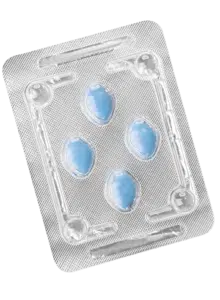
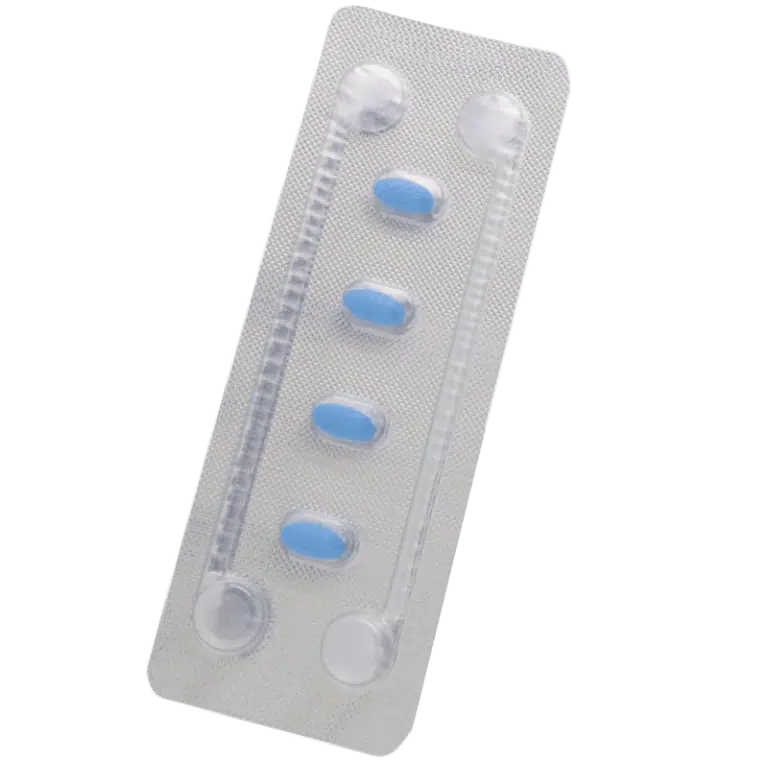
Two of the most effective treatments for hair loss are Finasteride and Propecia. Finasteride is the generic version of Propecia, so it’s slightly cheaper, but they both work in the same way, and contain the same active ingredient, finasteride. They’re prescription tablets that you take once a day.
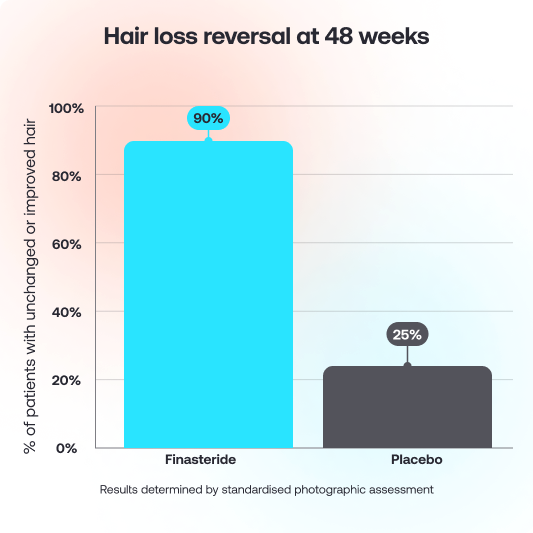
In clinical studies, 48% of men using finasteride showed an improvement in hair growth after one year (compared to 7% with placebo), and this increased to 66% after two years (compared to 7% with placebo). [1]
An important thing to note here is that you may not see results immediately. It can take between three and six months before you notice improvements with Propecia and Finasteride, and it may be up to 12 months before you see a difference in your hair. Given that these products prevent further hair loss in eight out of 10 men who take it for 12 months though, and two thirds of men benefit from some degree of hair regrowth, patience tends to be rewarded.
But if you don’t see any improvements in your hair after 12 months, let our doctor know. They may recommend trying an alternative hair loss treatment.
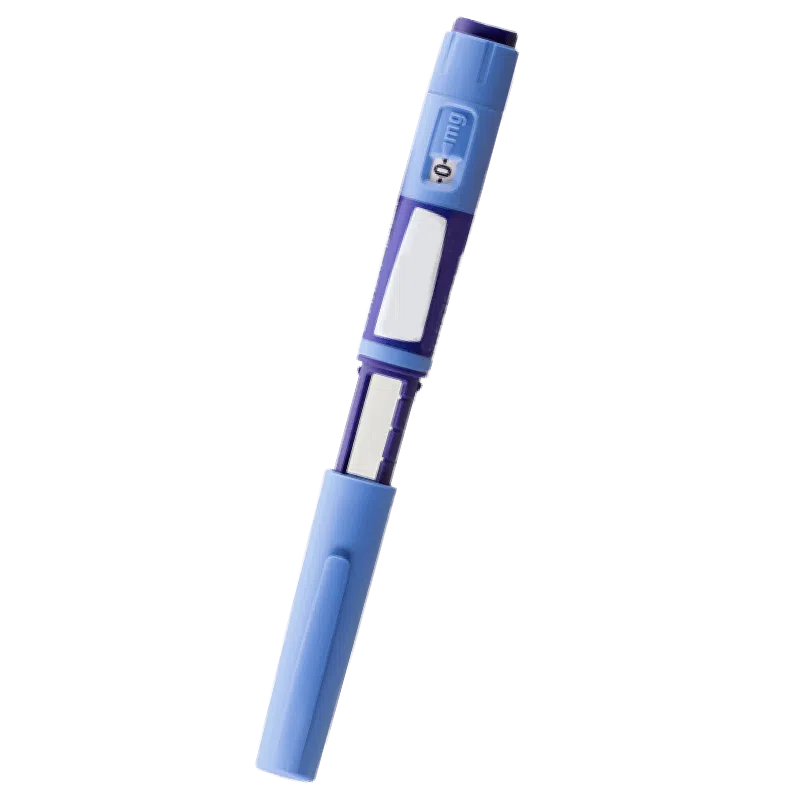
Dutasteride is a similar medication to finasteride, Avodart is a well-known branded version, and although it isn’t specifically licensed to be used for hair loss (its intended use is to help with prostate problems) research has shown that it seems to be more effective than finasteride and just as safe. [2]
How do Propecia and Finasteride work?
These tablets stop an enzyme called 5-alpha reductase from converting testosterone into DHT. DHT is a hormone that can cause hair follicles to shrink, and triggers hair loss in men who are sensitive to it. By stopping this conversion from happening, Propecia and Finasteride cut down the amount of DHT in the blood and scalp. This helps to stop you from losing any more hair, and also promotes hair regrowth.
Does Minoxidil (Rogaine) work?
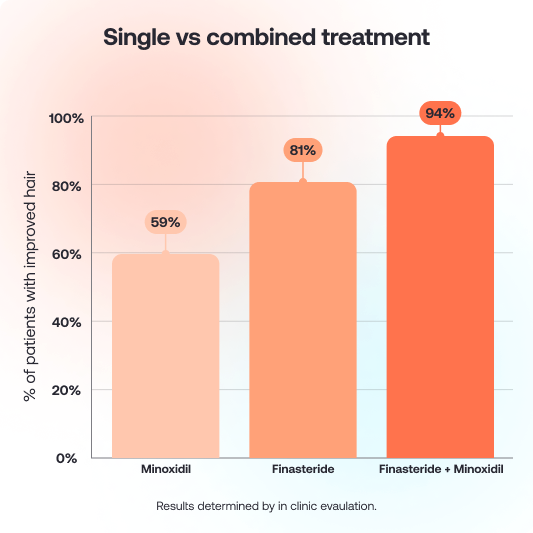
Yes. But it works in a slightly different way to Propecia and Finasteride. It doesn’t technically stop alopecia, but it really comes into its own with improving hair regrowth. It helps to improve the flow of oxygen and nutrients to hair follicles in the body, which encourages hair growth. Rogaine is sometimes referred to as a ‘vasodilator’ on this basis. In a study, 60% of men using Rogaine for 48 weeks reported an improvement in their hair coverage.[3]
But it isn’t quite as effective as finasteride. A study comparing topical minoxidil (Rogaine) with oral finasteride found finasteride to be more effective (increased hair growth was reported for 80% of the people who took finasteride versus 52% for those using minoxidil 5%). Although both treatments did improve hair thickness and growth. [4]
Rogaine is used primarily for hair regrowth, and Propecia or Finasteride are helpful at preventing further hair loss, using both can be very successful for some men. This was proven in a study where men using topical minoxidil with finasteride had better results than those using minoxidil alone.[5] If you’d like to use these treatments at the same time, you should discuss this with our clinician first, so that they can decide if both are safe for you to take.
Rogaine is available as either a topical solution or foam, so it’s not a tablet that you take. You apply it directly to the scalp. It’s also available over the counter, so you don’t need a prescription for it.