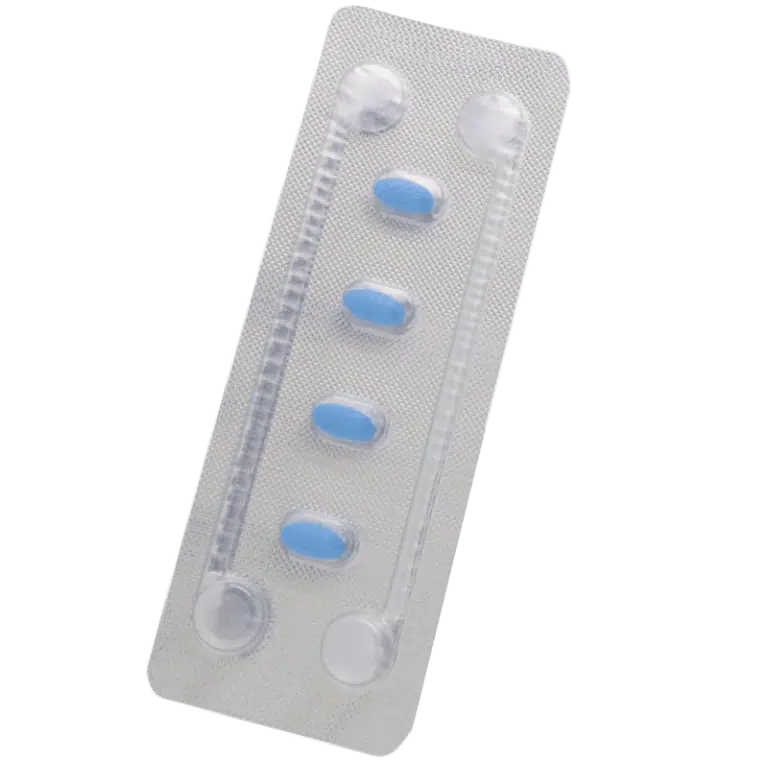
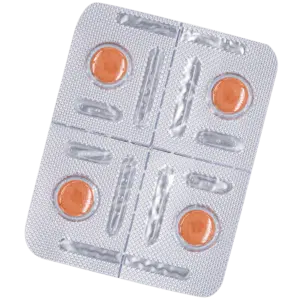
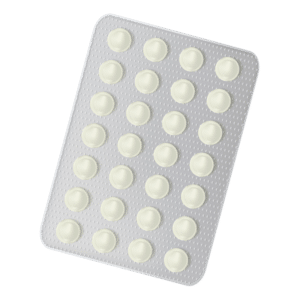
Norethindrone (also known as Norethisterone) is a synthetic, or man-made, form of progestin, a hormone that helps regulate your menstrual cycle. It’s commonly prescribed for heavy periods, also known as menorrhagia, to help lessen excessive blood loss and to stabilize prolonged or irregular periods. Norethindrone helps to maintain regular hormone levels, which can also help with menstrual pain and discomfort.
While it’s often used as a treatment for heavy periods, it’s also prescribed for irregular cycles, endometriosis, and hormone-related conditions. Unlike some other hormonal treatments, Norethindrone at 0.35mg is taken daily without a break and is considered a lower-dose progestin therapy. At the 0.35mg dose, it’s also prescribed for birth control. Brand names for the norethindrone pill include Camila, Heather and Errin.
How does Norethindrone work?
Norethindrone works by mimicking the natural effects of progesterone in the body. During a typical menstrual cycle, progesterone helps the lining of the womb to prepare for conception. When progesterone levels drop, the lining sheds, resulting in a period. It’s thought that hormonal contraceptives, like Norethindrone, interfere with these processes.
When taken for heavy periods, progesterone works by inhibiting the growth of your womb lining before your period starts. This means there’s less of your womb lining to break down, and this then helps to make your period lighter.
What doses of Norethindrone are there?
Norethindrone is available in a few different doses, depending on the condition it’s being treated for. For long-term heavy period treatment, the most commonly prescribed dose is 0.35mg taken once daily. This is different to some other treatments for heavy periods, which might be taken for a few days per month, over the course of 2-3 months.
Sometimes higher doses are prescribed for short-term management of heavy bleeding. This could be 5 mg taken two to three times a day, but it will vary depending on what form of norethindrone you’re using. Long-term use of higher doses can increase the risk of side effects, making 0.35mg the typical dosage choice for daily use.[1]
This page was written by The Treated Content Team.
This page was medically reviewed by Dr Alexandra Cristina Cowell on March 27, 2025. Next review due on March 27, 2028.
How we source info.
When we present you with stats, data, opinion or a consensus, we’ll tell you where this came from. And we’ll only present data as clinically reliable if it’s come from a reputable source, such as a state or government-funded health body, a peer-reviewed medical journal, or a recognised analytics or data body. Read more in our editorial policy.
NorethindroneNorethindrone
How to take Norethindrone for heavy periods
Your prescriber will tell you exactly how much Norethindrone you need to take.
Typically, you’ll take one tablet a day. You should take this tablet at the exact same time every day, so choose a time that’s most convenient for you, that you know you can stick to. Even a variation of 20 minutes or more can cause breakthrough bleeding.[1]
How long does it take Norethindrone to work?
The time it takes for Norethindrone to work is different for everybody. It depends on the severity of your symptoms, and how your body responds to treatment. Some people might notice their bleeding lessens within a few days, while others may need a few weeks before they start to see the benefits.
If you’re using Norethindrone continuously (which you typically will at the 0.35mg dose), meaning you take it everyday with no breaks, periods can become lighter and more regular after one to two cycles. When used for an extended period at 0.35mg per day, some people find that their periods become much lighter or stop altogether over time.[2]
What should I do if I make a mistake when taking Norethindrone?
If you miss a dose, take it as soon as you remember. However, if it’s almost time for your next dose, skip the missed one and continue as usual. Don’t take a double dose to make up for a missed tablet, as this can increase the risk of side effects such as nausea or spotting.
If more than 3 hours have passed since the time you normally take your pill, and you’re using Norethindrone as a contraceptive, you should use another form of contraception (like condoms). You won’t be protected from pregnancy again until you’ve taken your tablet consistently for two days.
Treated trusted source:
Anon, (n.d.). Heavy Menstrual Bleeding: Progestin-Only Hormone Therapy – Center for Young Women’s Health.
This page was written by The Treated Content Team.
This page was medically reviewed by Dr Alexandra Cristina Cowell on March 27, 2025. Next review due on March 27, 2028.
How we source info.
When we present you with stats, data, opinion or a consensus, we’ll tell you where this came from. And we’ll only present data as clinically reliable if it’s come from a reputable source, such as a state or government-funded health body, a peer-reviewed medical journal, or a recognised analytics or data body. Read more in our editorial policy.
NorethindroneNorethindrone
Norethindrone isn’t suitable for everyone, and there are some things that you need to be aware of when taking it.
Here’s all the official info on it. If anything is unclear, let the clinician know, and they can talk with you about it.
NorethindroneNorethindrone
Norethindrone: FAQ
Have something specific you want to know? Search our info below, or ask our experts a question if you can’t find what you’re looking for.
How effective is Norethindrone?
Answer:
Norethindrone is effective at treating heavy bleeding. Studies have found that it can reduce menstrual blood loss by up to 80%, when taken consistently.[2]
As a contraceptive, the minipill is thought to be over 99% effective when used ‘perfectly’, and 91% effective when used ‘typically’. So for example, 91% effectiveness means that as many as 9 out of 100 people who use the minipill will get pregnant during the first year of use. Typical use allows for some mistakes such as missing the occasional pill. If it's used 'perfectly', exactly as prescribed with no mistakes, the pregnancy rate drops to less than 1 in 100 people every year.
Does Norethindrone cause weight gain?
Answer:
Weight gain isn't a common side effect of Norethindrone, though some people might have mild fluid retention or bloating as they adjust to the medication. Studies haven't found conclusive evidence to say Norethindrone has any impact on your weight, beyond normal weight fluctuations as time passes.[1]
Does Norethindrone cause any side effects?
Answer:
Like all hormonal treatments, Norethindrone can cause some side effects, but not everyone will experience them. Common side effects include:
Headaches
Nausea
Breast tenderness
Changes in mood or libido
Spotting between periods
A full list of potential side effects will be in the package insert that comes with your medication. If you experience any severe or unusual side effects, speak to a doctor or pharmacist as soon as you can.
What happens when I stop taking Norethindrone?
Answer:
When you stop taking Norethindrone, your period will return within a few days to a week. Some people experience heavier or irregular bleeding at first, but cycles should regulate over time. If you were taking it for contraception, fertility can return after just 3 hours without a tablet, so use an alternative form of birth control if needed.
Is Norethindrone similar to any other treatments?
Answer:
Norethindrone belongs to a class of medicines known as progestins, so it is similar to other medications in this class. Some newer variants include desogestrel, drospirenone, and levonorgestrel. These are also available in tablet form, though levonorgestrel is also used in some IUD treatments.
A clinician can give you more information on the different treatment options available, to help you decide which is best for you.
Can I get pregnant on Norethindrone?
Answer:
It depends. At some dosages, Norethindrone is not an effective contraceptive. It might reduce your chances of pregnancy as it alters your ovulation.
If you're primarily looking for a contraceptive treatment, it's best to speak to a doctor to find out if Norethindrone is the best option for you.
Do I need a prescription for Norethindrone?
Answer:
Yes, Norethindrone is a prescription-only medication. As a hormonal treatment, there are some interactions and other medications that might prohibit you from using Norethindrone. A doctor will assess whether it’s suitable for you based on your symptoms and medical history.
Our experts continually monitor new findings in health and medicine, and we update our articles when new info becomes available.
Mar 27, 2025
Published by: The Treated Content Team.Medically reviewed by: Dr Alexandra Cristina Cowell, Writer & Clinical Content Reviewer
How we source info.
When we present you with stats, data, opinion or a consensus, we’ll tell you where this came from. And we’ll only present data as clinically reliable if it’s come from a reputable source, such as a state or government-funded health body, a peer-reviewed medical journal, or a recognised analytics or data body. Read more in our editorial policy.
This is healthcare on your terms.
All from the comfort of your device. Get access to what you need, when you need it.
100% online
Ask questions and get expert recommendations, at the touch of a button.
Tailored choices
We'll narrow down some treatments for you to choose from based on your medical profile.
Secure shipping
Receive your treatment by express delivery, in discreet packaging.
Easy automatic refills
Set your own delivery schedule and pause or make changes any time you like.
We're making healthcare more about you. Sign up to our newsletter for personalised health articles that make a difference.
Disclaimer: The information provided on this page is not a substitute for professional medical advice, diagnosis, or treatment. If you have any questions or concerns about your health, please talk to a doctor.
Dr Alexandra Cristina Cowell
Writer & Clinical Content Reviewer
Cristina writes content for Treated, and reviews content produced by our other writers to make sure it’s clinically accurate.
When we present you with stats, data, opinion or a consensus, we’ll tell you where this came from. And we’ll only present data as clinically reliable if it’s come from a reputable source, such as a state or government-funded health body, a peer-reviewed medical journal, or a recognised analytics or data body. Read more in our editorial policy.
Reviews you can trust
All of our reviews are collected from real patients after their treatment has been delivered.
We publish reviews collected through independent platforms including Reviews.io and Trustpilot.