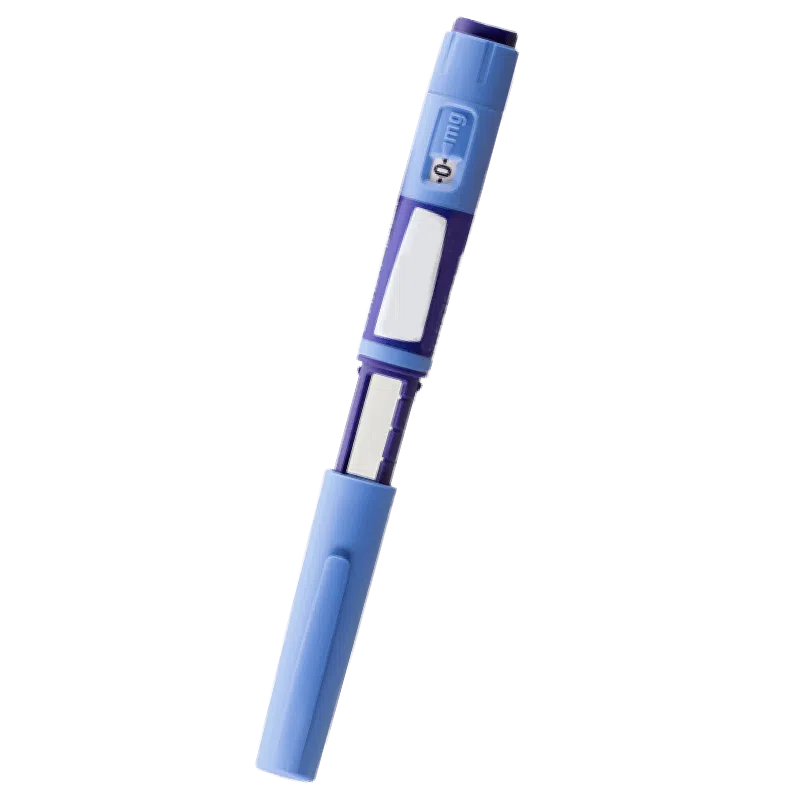
What is Chantix?
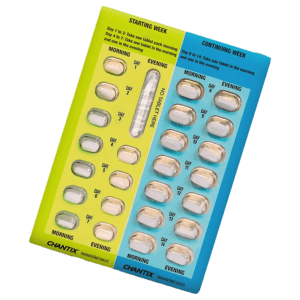
Chantix is a prescription medication that helps manage cravings and other withdrawal symptoms when you stop smoking. It’s a tablet you take every day, and it’s given in 12 week courses. When you successfully stop smoking while taking it, a clinician may give you another 12 week course after the first one, just to make sure the job is completely done.
Before you start taking it, you’ll decide on a date where you stop smoking. This is usually between day 8 and 14 of treatment. You’ll start on a lower dose for the first few days and gradually build up to a maintenance dose by day 15.
How does Chantix work?
Chantix works by blocking the receptors in the brain that are affected by nicotine. This means nicotine no longer produces the “feel good” hormone response of dopamine.
With nicotine being blocked, the short term pleasurable effects from smoking which cause cravings are stopped. This makes it easier to avoid smoking until the cravings pass and you’ve managed to successfully quit.
And if you do smoke while taking Chantix, it doesn’t produce the same feeling in the brain, so it helps to make smoking less appealing.
How effective is Chantix?
Clinical studies have shown that Chantix is effective at helping people quit. People taking it were almost three times more likely to have abstained from smoking after a year of starting it, compared with a placebo. It’s also been found to be more effective than nicotine patches at promoting abstinence during treatment, and at one year following treatment. [1]
Chantix can be particularly helpful if you’ve tried other ways of quitting smoking before but these have been unsuccessful. By managing the cravings and reducing the withdrawal symptoms — the things that most people find difficult when quitting smoking — it increases your chances of success. [2] You’ll still need some degree of willpower, but it can give you that extra bit of breathing space to get through the most difficult moments.
Some research also suggests that combining counseling with stop smoking treatments can help to further increase your chances of successfully quitting. [3]
Will insurance cover my smoking cessation medication?
Depending on your insurance plan, the level of coverage will vary.
If you have Medicaid (general, expansion or traditional), all types of FDA-approved smoking cessation medications, including over-the-counter options like nicotine patches and prescription medications like Chantix are covered, and you won’t need prior approval from your insurance company before starting treatment.[4][6] Some forms of counseling are also covered.
If you’re on state health insurance or receiving insurance through your employer, you won’t have to pay for anything out of pocket if you meet the guidelines for smoking cessation benefits. You can get up to 90 days of FDA-approved smoking cessation medications per quit attempt – with two quit attempts each year. For reference, a full Chantix course lasts 84 days, this fits within the coverage limit. You can also have at least four sessions of counseling and you don’t need to get approval from your insurance company before starting treatment.[4]
If you have another type of insurance plan, contact your insurance provider to find out what they cover.
If you don’t have insurance, you’ll likely need to pay the full amount out of pocket. If you’re unable to afford it, there may be some charity organizations that might be able to help.
If you’re buying over-the-counter smoking cessation medication, you might need a doctor’s prescription for your insurance to cover the cost. [5]
What if I buy smoking cessation medication through an online pharmacy?
Insurance plans that are ACA compliant, must cover smoking cessation medications that are:
- FDA approved
- Prescribed by a healthcare provider, even if it’s a telehealth service
- The pharmacy is within your insurance network.
If you’re buying from an out-of-network pharmacy, your insurance plan may not cover your fees. You can file a reimbursement claim, but you may get back less than the full cost. For any questions, it’s best to contact your insurance provider.