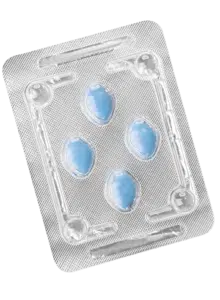
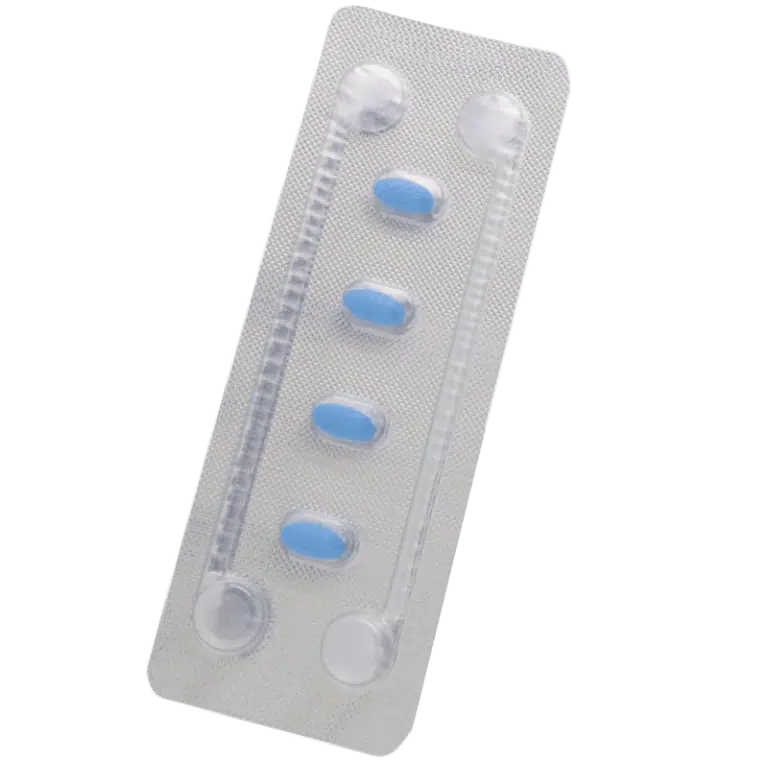
What is Slynd?
Slynd is a progestin-only birth control pill (also called a mini pill) that contains 4 mg of drospirenone. Unlike combined pills, Slynd doesn’t contain estrogen, so it’s suitable for people who are sensitive to it or at a higher risk of estrogen-related side effects.
Each pack contains 24 active white tablets and 4 inactive green tablets. You’ll take one pill a day for 28 days, with no breaks in between — the green pills help keep you on track during your cycle.
Slynd stands out from older mini pills because it gives you a 24-hour missed pill window, rather than the usual 3 hours, making it easier to take consistently.
How does Slynd work?
Slynd works by thickening cervical mucus to block sperm from reaching an egg. It also makes it more difficult for an egg that is to implant in the womb by altering the consistency of the uterine lining.[1]
Slynd is also effective at stopping ovulation altogether, but this won’t happen for everyone.
What doses does Slynd come in?
There’s only one dosage of Slynd. The white active Slynd tablets contain 4 mg of drospirenone, and the four green inactive tablets don’t contain any hormones.
Are there any Slynd side effects?
Like all medications, Slynd may cause side effects. Common examples are:
- Acne
- Headaches
- Nausea
- Breast tenderness
- Irregular bleeding
- Lower sex drive
There are some more serious –- but rare –- side effects you might experience. If you experience any of the following symptoms, get medical assistance right away:
- Weakness or numbness in a limb, heart palpitations, nausea, vomiting, chest pain, shortness of breath
- Leg pain that won’t go away, severe shortness of breath, changes in your vision or blindness, chest pain, weakness or numbness in a limb, difficulty speaking
- Unscheduled breakthrough bleeding between your period, irregular periods, or a lack or periods – these are common Slynd side effects, but they can sometimes be serious;
- Depression – especially if you’ve suffered with it in the past.
For a full list of side effects, take a look at the patient package insert.
How we source info.
When we present you with stats, data, opinion or a consensus, we’ll tell you where this came from. And we’ll only present data as clinically reliable if it’s come from a reputable source, such as a state or government-funded health body, a peer-reviewed medical journal, or a recognised analytics or data body. Read more in our editorial policy.