VerifiedFact Checked
Can you take Zepbound and birth control together?

Can you take Zepbound and birth control together?

Zepbound affects the way that oral contraceptives are digested and absorbed, making them less effective. So you shouldn’t use them together. You can, however, use Zepbound alongside a barrier method (like male or female condoms) or other contraceptives you don’t need to swallow, like patches, rings, or IUDs, which aren't affected by Zepbound.

Craig Marsh
Medically reviewed by
Craig Marsh, Clinical Reviewer
Go to
Medically reviewed by
Mr Craig Marsh
Clinical Reviewer
on Nov 25, 2024.
Meet Craig  
Craig

Last updated on Nov 24, 2024.

Was this article useful?
1 people found this helpful

Summary

  • Zepbound reduces the effectiveness of oral contraceptives by slowing stomach emptying.
  • Zepbound impacts oral contraceptive absorption by reducing the peak concentration in the bloodstream by up to 66%.
  • The effectiveness of non-oral contraceptives such as patches, rings, injections, IUDs, and condoms isn’t impacted with Zepbound use, therefore is safe.
  • Not all weight loss injections, like Wegovy, affect the effectiveness of oral contraceptives.

What types of birth control can be used with Zepbound?

Birth control: Can it be used? Why?
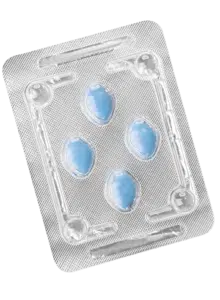
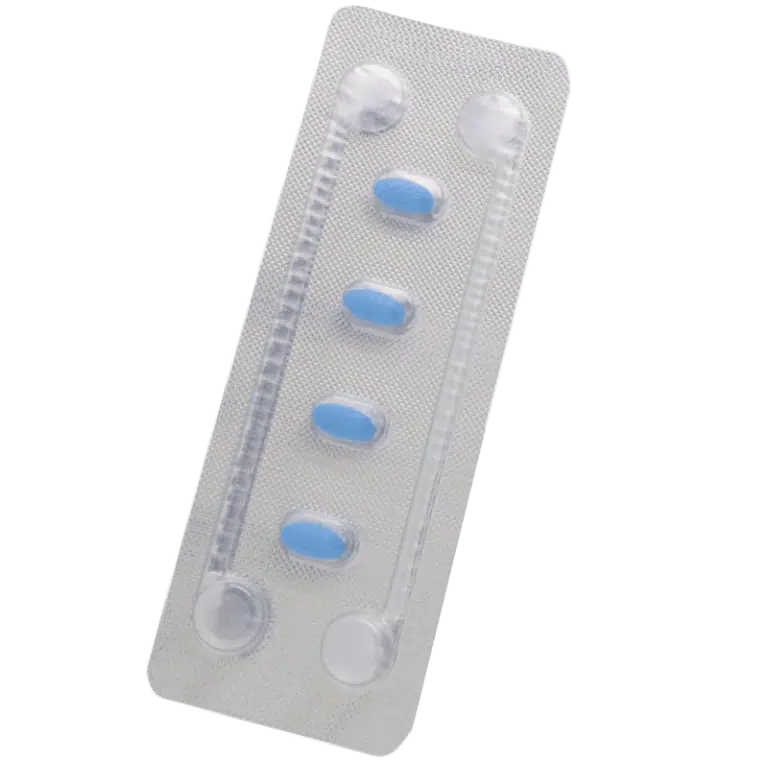
Combined contraceptive pill Zepbound slows down stomach emptying, which affects the absorption of contraceptive pills, making them less effective.
Mini-pill (progestin-only pill) Zepbound slows down stomach emptying, which affects the absorption of contraceptive pills, making them less effective.
Contraceptive patch (E.g., Xulane) Contraceptive patches are released directly through the skin, without passing through the digestive system. So they’re not affected by Zepbound’s impact on the stomach.
Contraceptive injections (E.g., Depo-Provera) Contraceptive injections are released directly into the bloodstream, avoiding the digestive system. So they’re not affected by Zepbound’s impact on the stomach.
Contraceptive ring Contraceptive rings are absorbed directly through the vaginal tissue. So they’re not affected by Zepbound’s impact on the digestive system.
Intrauterine device (IUD) Non-hormonal IUDs don’t rely on the stomach for absorption, so they are unaffected by Zepbound.
Intrauterine system (IUS) IUS releases hormones locally into the uterus, so is unaffected by the effect that Zepbound has on digestion.
Barrier method (E.g., condom) Barrier methods are not affected by Zepbound.

Choosing birth control depends on your personal preferences. Some women may find the contraceptive patch appealing because you only need to change it once a week (three weeks on, one week off). However, if you prefer a non-hormonal method, you might find the Copper IUD a better alternative. The Copper IUD releases small amounts of copper into your uterus, making it difficult for sperm to reach the egg. You can check our comparison page for a detailed guide on different contraceptives.

While oral contraceptives aren’t completely prohibited from being used, it’s strongly advised that you don’t rely on them alone. Oral contraceptives need to be used alongside a physical barrier method, like a condom. A condom should be used after starting treatment (for four weeks), or after each dose increase (for another four weeks). Since Zepbound is taken weekly, this may mean using a condom throughout the treatment period, which can be inconvenient. Therefore, it might be better to use a non-oral contraceptive method during your treatment.

Condoms are also not the most reliable form of birth control — around 15 in 100 women relying on condoms get pregnant every year. This can be dangerous as getting pregnant while using Zepbound can be harmful to the baby.

What effect does Zepbound have on birth control?

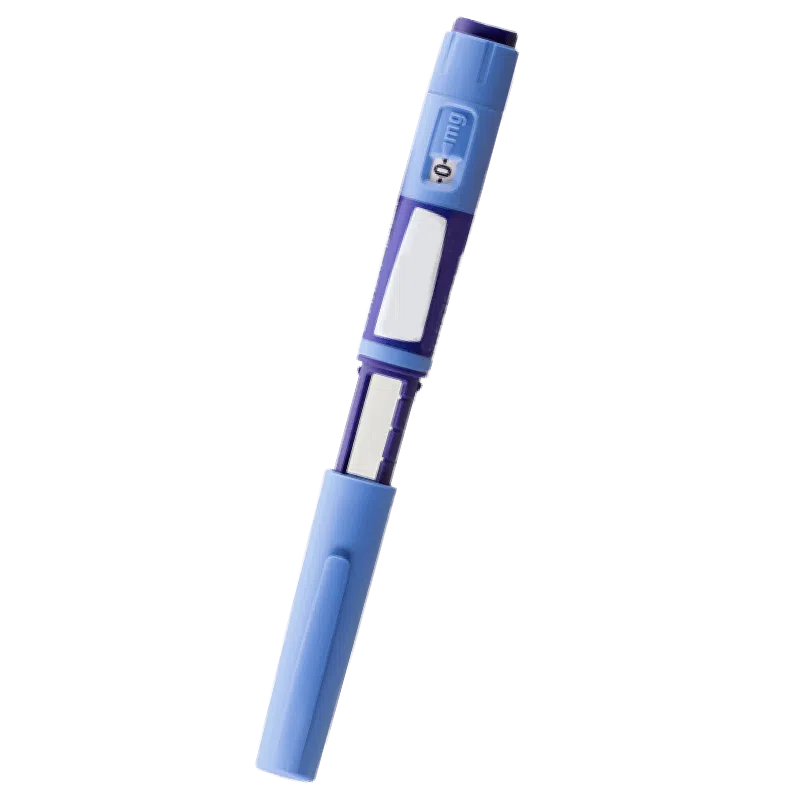
Zepbound contains tirzepatide, a hormone that targets GLP-1 and GIP receptors in the brain. These receptors send signals to the brain to make you feel full and satisfied, preventing overeating and controlling appetite. It also delays stomach emptying, which keeps you feeling fuller for longer.

Oral contraceptives are digested in the stomach and absorbed into the bloodstream. But Zepbound’s effect on stomach emptying affects the way oral contraceptive pills are absorbed. In some cases, Zepbound reduced oral contraceptive absorption by 55-66%, and delayed the time it took to be absorbed by two hours. This delay makes the contraceptive less effective.

However, non-oral and non-hormonal contraceptives aren’t affected by tirzepatide. Non-oral hormonal contraceptives, like patches, IUS, and injections, are absorbed directly into the bloodstream or vaginal tissue, bypassing the digestive system. Similarly, non-hormonal contraceptives, such as the copper IUD, work by releasing copper in your uterus, so they are unaffected by Zepbound’s impact on the stomach.

Do all injectable weight loss treatments stop contraception from working?

No, there isn’t any evidence that other weight loss injections, like Wegovy (semaglutide) and Saxenda (liraglutide), affect the effectiveness of oral contraceptives. You should be safe using them as long as you don’t experience severe vomiting and diarrhea, which can affect how the birth control pills are absorbed.

Weight loss
Is Zepbound right for you?

If you're using oral hormonal contraception and want to find out what weight loss treatment options are suitable for you. Our clinical team can help.

Reference Popover #ref2
Reference Popover #ref1

Sourcing guidelines:

When we present you with stats, data, opinion or a consensus, we’ll tell you where this came from. And we’ll only present data as clinically reliable if it’s come from a reputable source, such as a state or government-funded health body, a peer-reviewed medical journal, or a recognised analytics or data body. Read more in our editorial policy.

Tell us what you want to hear.

Have a subject you’d like us to cover in a future article? Let us know.

Give us the inbox treatment.

We're making healthcare more about you. Sign up to our newsletter for personalized health articles that make a difference.

Disclaimer: The information provided on this page is not a substitute for professional medical advice, diagnosis, or treatment. If you have any questions or concerns about your health, please talk to a doctor.

Suggest a health guide

Tell us your idea here.

(And leave your email too, so we can let you know if we write an article based on your suggestion.)