What is Levitra?
Levitra was a pill that helped you get an erection and keep it long enough to have sex. You took it ‘on-demand,’ usually under an hour before you wanted to get intimate. After that, it stayed active in the body for up to five hours.
Levitra worked by helping blood circulation to the penis.
When you get aroused, your brain starts a process called vasodilation. This is where the blood cells around your penis are signalled to relax and let more blood into the area. When more blood enters the area, your penis gets hard.
If you have ED, these blood vessels stay tight. This means that blood can’t enter the penis. This can result in no erections, erections that don’t last long or erections that are only semi-hard.
Vardenafil, the active ingredient in Levitra, helps to make sure that the blood cells around the penis do let blood in. This makes erections easier, longer-lasting and strong enough for sex.
Levitra dosages
There were three different doses of Levitra.
Levitra 5mg was the lowest dose. You might’ve started here if you had underlying health problems.
The Levitra 10 mg tablet was a good starting point for otherwise healthy men. If you started on this and got mild side effects, you might have been lowered to 5mg.
Levitra 20mg was for when you’d used the 10mg but it hadn’t provided the best results (for example if you got an erection but it didn’t last long enough, or only got semi-hard).
Levitra or Vardenafil: what’s the difference?
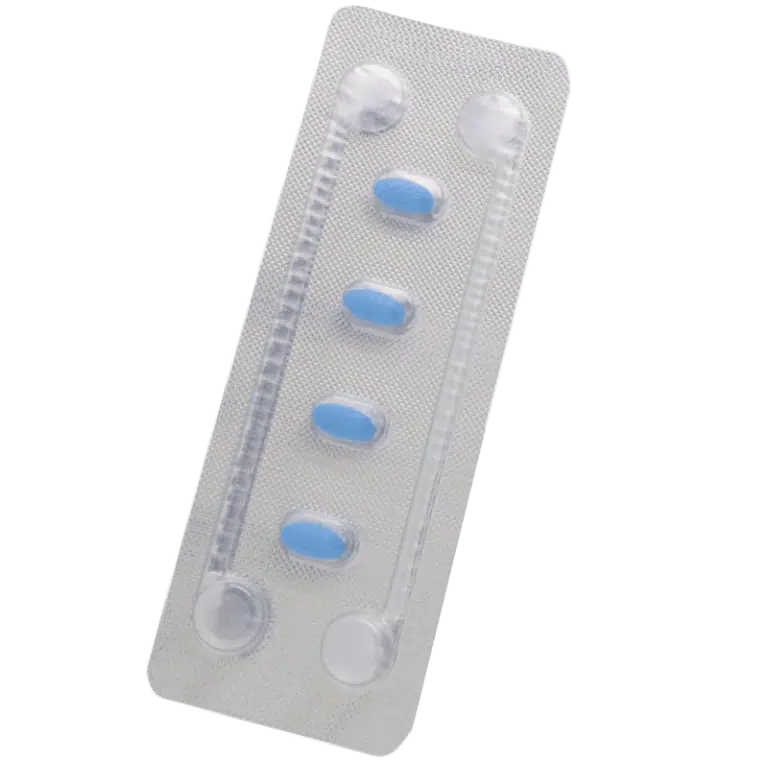
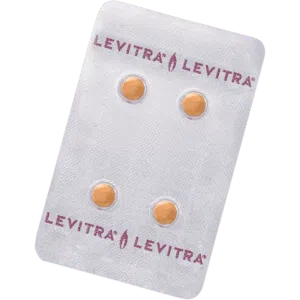
Levitra was the original version of the medication that came in the Bayer packaging. Vardenafil is the generic medication of the same drug and can be made by different labs.
Brand-name and generic drugs have to be tested for bioequivalence before they’re given approval. This means that in lab conditions they’re essentially the same. So you shouldn’t really notice any difference in how they work or how well they work for you.
But it’s possible that on a personal level, you notice a difference between a brand and a generic. If that’s the case, then choose the medication that works best for you.
Price can also play a part. (Brands are normally more expensive than generics.)
How we source info.
When we present you with stats, data, opinion or a consensus, we’ll tell you where this came from. And we’ll only present data as clinically reliable if it’s come from a reputable source, such as a state or government-funded health body, a peer-reviewed medical journal, or a recognised analytics or data body. Read more in our editorial policy.