H2 – What is Nortrel?
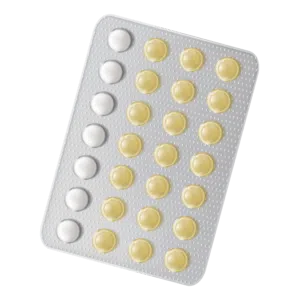
Nortrel is a combined birth control pill that you can get as both a monophasic and triphasic pill. Both versions contain the same hormones: norethindrone and ethinyl estradiol. The monophasic pill, commonly referred to as Nortrel 28, comes in two different doses: 0.5/35 and 1/35. And the triphasic pill, usually known as Nortrel 7/7/7, includes three different doses in each packet: 0.5mg – 0.035mg / 0.75mg – 0.035mg / 1mg – 0.035mg.
If the monophasic pill doesn’t work well enough for you when it comes to managing PMS symptoms, the triphasic pill might be the ideal option for you as it can match your cycle more closely than the monophasic pill. Both are equally effective — your chance of becoming pregnant while taking it is below 1%, as long as you take it ‘perfectly’ (at the same time every day, without missing any).
Nortrel contains the hormone norethindrone, which tends to have fewer progestogenic side effects than other pills. These side effects include heavy bleeding, breast fullness and tenderness, headaches, fluid retention, tiredness, irritability, nausea and bloating.
H3 – How does Nortrel work?
The hormones present in Nortrel have three main functions.[1] First and foremost, they keep you from ovulating, and this alone can prevent pregnancy. But if for some reason ovulation does occur, the hormones prevent a build-up of the uterine lining so an egg can’t implant there. Finally, the hormones also make your cervical fluid thicker so sperm can’t get through. All of these factors together make pregnancy very unlikely, and as a bonus, your periods should also be lighter.
What doses of Nortrel are there?
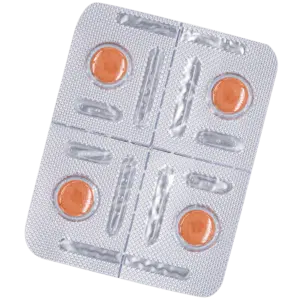
You can get triphasic and monophasic Nortrel pills. The monophasic pills come in two different doses, and will include 21 active and 7 inactive pills in each packet. The triphasic pill will include three different doses in each packet, with seven pills of each, plus seven inactive pills. The doses are:
- 21 active pills with 0.5mg norethindrone acetate and 0.035 ethinyl estradiol, and 7 inactive pills;
- 21 active pills with 1mg norethindrone acetate and 0.035mg ethinyl estradiol, and 7 inactive pills;
- 7 active pills of each of the following doses: 0.5mg – 0.035mg / 0.75mg – 0.035mg / 1mg – 0.035mg of norethindrone acetate and ethinyl estradiol respectively, plus 7 inactive pills.
The highest dose of the monophasic pill is recommended for people with heavy periods, especially if they’ve led to anemia.[1] The lower dose has fewer side effects so it’s the best option for people with light periods who tend to be sensitive to high levels of hormones. The triphasic pill matches your cycle more closely, so it will be a better option if you experience side effects with the monophasic pill.
There are a lot of other pills with the same hormones as Nortrel but in different doses. Some are monophasic with higher or lower hormone levels, and some have the same progestin levels but lower estrogen levels. And some options are biphasic or triphasic. So if you get side effects with Nortrel or it doesn’t control your menstrual symptoms well enough, we can help you find a different option.
How we source info.
When we present you with stats, data, opinion or a consensus, we’ll tell you where this came from. And we’ll only present data as clinically reliable if it’s come from a reputable source, such as a state or government-funded health body, a peer-reviewed medical journal, or a recognised analytics or data body. Read more in our editorial policy.