VerifiedFact Checked
Best birth control for women over 30: Choosing the right option

Best birth control for women over 30: Choosing the right option

Approximately 900 million women use contraceptives every year, with sterilization and condoms being the most popular methods. The majority of contraceptives are safe to use for women of reproductive age, but depending on your medical history, certain contraceptives may pose risks. For example, if you’re over 30 and have high blood pressure, your doctor or healthcare provider might suggest that you avoid contraceptives containing estrogen.

Daniel Atkinson
Medically reviewed by
Daniel Atkinson, Clinical Reviewer
Go to
Medically reviewed by
Dr Daniel Atkinson
Clinical Reviewer
on Jun 19, 2024.
Meet Daniel  
Daniel

Last updated on Jun 18, 2024.

Was this article useful?

Why does my age matter when it comes to contraception?

In general age doesn’t matter too much, just choose a method that is going to suit your lifestyle. If you find it difficult to remember to take a pill every day or replace a patch each week, think about using an injection which lasts 12 weeks, or an implant that lasts 3 years or an IUD which can last 5-10 years. Many women can confidently choose from various contraceptives without hesitation. However, for those with certain underlying medical conditions, the potential risks may outweigh the benefits. In such cases, your doctor or healthcare provider may suggest avoiding specific contraceptive methods.

Women over the age of 30 often have more concrete family planning goals. Depending on your plans, the use of long-acting reversible contraceptives (LARCs) could be considered. Women also approaching perimenopause may find it beneficial to use contraceptive methods that facilitate a smoother transition into menopause.

Women between ages 30-34 years

Most women between the ages of 30-34 should be able to use the majority of contraceptives. But if you have certain medical conditions, your doctor might encourage you to avoid some options. For example, if you have a family history of breast cancer, then it’s advisable to avoid hormonal contraception.

The preferred method of contraception for this age group includes hormonal contraceptives, such as the combined pill and progestin-only pills (aka mini-pills). They are highly effective with up to a 99% rate of preventing pregnancy if taken correctly, and are convenient. Likewise, LARCs, such as IUDs and implants, are also often recommended for their effectiveness and convenience.

Each type of contraceptive has its own benefits, for example, if you prefer to experience a regular menstrual-like bleed every month, combined pills might be the best option for you. For more detailed information on the benefits of each contraceptive, you can check out this comparison guide which will discuss all the methods of contraception in detail.

Women over the age of 35

Based on age alone, all methods of contraceptives are safe unless you have specific medical conditions or if you smoke.

If you are at risk of the following conditions, your doctor will likely avoid prescribing combined contraceptives, which contain estrogen:

  • a stroke,
  • ischemic heart disease,
  • cardiovascular diseases.

This is because it can elevate your risk of blood clot formation (thrombosis). This is also true for women who smoke 15 cigarettes a day, have a BMI over 35, or have high blood pressure (systolic value between 140 and 159 mm Hg or a diastolic value between 90 and 94 mm Hg).

If you have any of the mentioned risks, the preferred contraceptive option for you might be:

  • progestin-only pills (mini-pills),
  • the implant, or
  • the injection, or
  • A hormonal IUD (like Mirena), or a copper IUD.

All of them only contain progestin (except the copper IUD which has no hormones), meaning there is no increased risk of getting blood clots.

If you’re still unsure what to take, your doctor or healthcare provider will assess the risks and benefits based on your medical history and suggest the most suitable option.

Women over the age of 40

As you get older, your options might become more limited, especially if you have any of the medical conditions mentioned in the previous section. But there are some things you can consider before choosing a contraceptive.

If you don’t want any more children, sterilization might be a suitable option for you or your partner. Female sterilization is a permanent method of contraception that works by closing your fallopian tubes so the sperm can’t reach your eggs. While there are some reversible methods, the reversal process might not always be successful, so always discuss it with your doctor before going ahead.

Sterilization is one of the most reliable forms of contraception, meaning there is a very low chance of unintended pregnancy. This is important to note as the risks of unintended pregnancy can be greater for older women than for younger women. According to the World Health Organization (WHO), other reliable methods include copper IUDs, progestin IUDs, and progestin implants. On the other hand, there are other options to discuss with your doctor but they might have a lower efficacy rating. For example oral contraceptives and condoms (they’re all still over 98% effective when used perfectly).

Another factor to look at when choosing a contraceptive is if you’re entering perimenopause. While most women enter perimenopause at the ages of 40-44, it can happen in your late 30s. Therefore choosing the right contraceptive can make your transition smoother. This might include estrogen-containing contraceptives, like combined pills, which can help alleviate some symptoms, such as hot flashes, night sweats and insomnia. But it’s important to assess the pros and cons of each contraceptive, as estrogen-containing contraceptives can elevate the risk of blood clots and stroke in some people.

Additionally, some studies have found as women get older they prefer convenient methods of contraceptives. Remembering to take the pill every day can be troublesome, or inserting the diaphragm can be uncomfortable. Therefore, options like implants which only need to be changed every three years might be more convenient.

Taking Depo-Provera

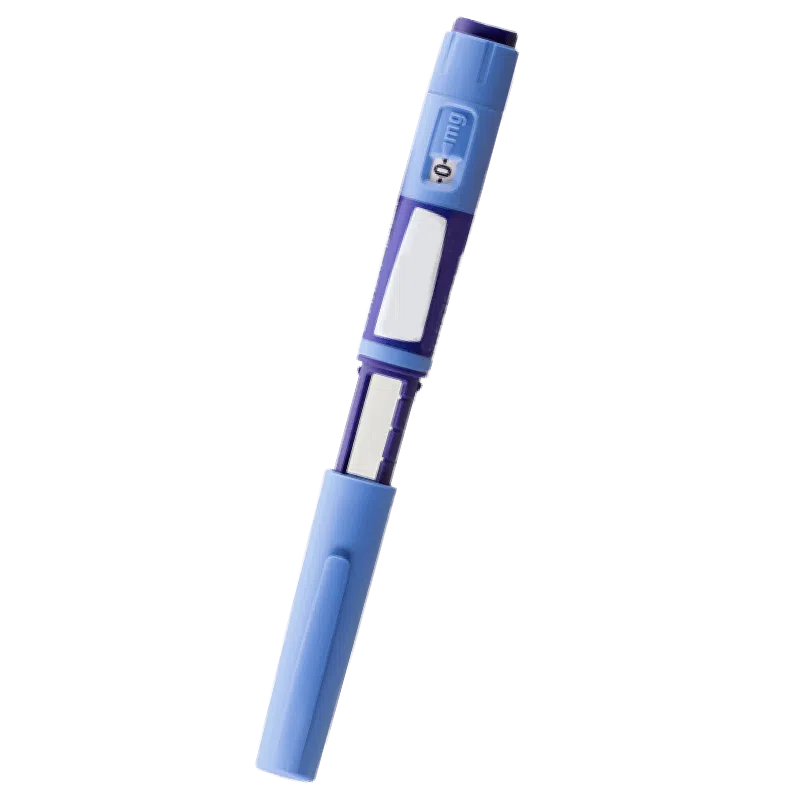
Depo-Provera is the brand name for a progestin-only injection containing medroxyprogesterone acetate (MPA). Although it’s an effective contraceptive with many benefits such as reducing heavy menstrual bleeding, improving menopausal symptoms, and reducing the risk of endometrial and ovarian cancers, it can come with certain risks.

MPA should be avoided if you have:

  • high blood pressure of 160/95 mm hg,
  • vascular problems,
  • diabetes with high blood pressure,
  • ischemic heart disease or a history of it,
  • risk factors for cardiovascular diseases, and
  • if you’re over 50.

Additionally, if you’re going through perimenopause it might be good to discuss your use of MPA with your doctor as it is associated with low estrogen levels and decreased bone mineral density. During menopause, the decrease of estrogen causes your bones to become softer and more fragile. This can worsen if you take MPA. In a study, women using MPA found bone density rapidly decreased, and levelled off with continuous use. However, after stopping treatment, the density returned to pre-MPA levels.

What can I use if I want to get pregnant soon?

If you want to get pregnant soon, it’s advisable to stay clear of injections since they can delay fertility after discontinuation. Fertility returns to normal very quickly after implants and IUDs are removed but these methods aren’t normally recommended for short term use.

Your best choices are combined pills, progestin-only pills, natural methods and condoms. These options are reversible, meaning they are less likely to impact your fertility once you stop using them. This was proven in a study that found that women taking contraceptive pills for as long as nine years showed no impact on fertility or increased risk of miscarriages.

Women wanting non-hormonal contraceptive

There are three main types of non-hormonal contraceptives to choose from:

  • Barrier methods, including male and female condoms. These work by preventing sperm from reaching the egg, and when used correctly, they are 98% effective at preventing pregnancy.
  • Intrauterine Devices (IUDs) like the copper IUD. This type of IUD prevents pregnancy by creating an unsuitable environment for sperm to survive in.
  • Natural methods, such as fertility awareness-based methods. These involve tracking ovulation and menstrual cycles to identify less fertile days. You would need to track vaginal mucus and temperature daily. If done correctly, it can be up to 99% effective. However, if you are close to menopause, your menstrual cycle and ovulation may be irregular, making it challenging to predict your least fertile days.

Non-hormonal methods often have little to no side effects. You might opt for a non-hormonal method if you have a risk of strokes, cardiovascular illness or even breast cancer. If you’ve had breast cancer, your doctor will not recommend hormonal contraceptives as they can increase the risk of getting breast cancer again.

When can I stop taking contraceptives?

Once you reach menopause, you can stop using contraceptives while being reassured you won’t get pregnant. This typically occurs around the age of 51, but it can differ for each individual. Menopause marks the end of a woman’s fertile years and is usually defined as one year without having a period.

In certain cases, contraceptives should be stopped if the risk of taking them outweighs the benefits. The decision to stop contraceptives due to health reasons is usually made with your doctor, who will assess your situation based on your medical and family history.

Do I need a contraceptive at 50?

As mentioned, if you’ve reached menopause, you won’t need to take contraceptives as your chances of getting pregnant are slim to none. However, if you haven’t reached menopause, you can still get pregnant, so taking contraceptives can prevent this. There are no age restrictions when it comes to most contraceptives, although the combined pill may not be suitable for women over the age of 50.

Reference Popover #ref1
Reference Popover #ref2
Reference Popover #ref3
Reference Popover #ref4
Reference Popover #ref5
Reference Popover #ref6
Reference Popover #ref7
Reference Popover #ref8
Reference Popover #ref9

Sourcing guidelines:

When we present you with stats, data, opinion or a consensus, we’ll tell you where this came from. And we’ll only present data as clinically reliable if it’s come from a reputable source, such as a state or government-funded health body, a peer-reviewed medical journal, or a recognised analytics or data body. Read more in our editorial policy.

Tell us what you want to hear.

Have a subject you’d like us to cover in a future article? Let us know.

Give us the inbox treatment.

We're making healthcare more about you. Sign up to our newsletter for personalized health articles that make a difference.

Disclaimer: The information provided on this page is not a substitute for professional medical advice, diagnosis, or treatment. If you have any questions or concerns about your health, please talk to a doctor.

Suggest a health guide

Tell us your idea here.

(And leave your email too, so we can let you know if we write an article based on your suggestion.)