
 Can female hair loss be reversed? It depends. It’s hard to treat hair loss, or any condition if you don’t know what’s causing it. We’ve outlined a few reasons above, but it could still be linked to another medical issue. Speak with your clinician about your lifestyle and symptoms. They’ll be able to give you a better idea of the cause. If it’s something as simple as a lifestyle change, then you might be able to reverse the effects quite quickly.
PCOS (polycystic ovary syndrome)
Thyroid hormone levels
Your thyroid is a gland in the front of your neck. It secretes thyroid hormones which are needed to support your body’s function. It’s thought that too much or too little of this hormone can lead to hair loss in women. When the thyroid secretes too many hormones, the result is hyperthyroidism, also known as overactive thyroid. The thyroid can also be underactive and fail to secrete enough thyroid hormones. This condition is called hypothyroidism. Thankfully it’s easily diagnosed and treatments are available to help relieve symptoms.
Alopecia areata
Alopecia is the medical term for baldness. You can identify it by round patches of hair loss around the scalp and areas of the body. Your missing hair will usually grow back within six months to one year. Depending on the severity of your alopecia, you might not even notice. Less than 5% of people lose all of the hair on their head. If you lose all of your hair due to alopecia, then this becomes a different condition known as alopecia totalis.
Postpartum hair loss
Having a child can be one of the most amazing experiences in the world, but it can sometimes cause unexpected effects on your health. You might attribute this hair loss to the stress of having a newborn baby in the house, but it can actually be due to hormonal changes. When you give birth it can lead to your estrogen levels dropping. Since hormonal changes are linked to hair loss, the change in estrogen levels can lead to your hair falling out. You’ll usually see these effects around four months after childbirth.
The good news is that your hair should go back to normal after one to two years. Using over the counter hair and conditioner treatment can help but you may just need to give it some time.
Stress - how does stress cause hair loss?
Emotional stress can cause hair loss in both men and women. Hair loss as a result of stress is referred to as ‘telogen effluvium’. High stress levels can push your hair follicles into a resting phase. After a few months these hairs might begin to fall out when you complete simple tasks like brushing or washing your hair.
Stress can have serious health implications and you should always speak to a doctor if you feel like you’re getting too stressed.
Medication
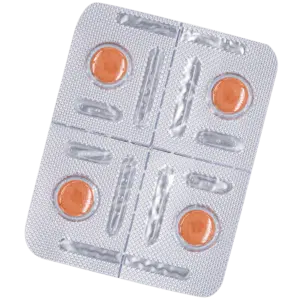
Certain medications can cause hair loss as a side effect. Like with stress, they can affect your hair follicles and force them into a resting phase. Birth control tablets and antidepressants are known for having this effect sometimes. If you feel like your medication is causing hair loss then it’s worth speaking with your clinician. It’s likely that there’s another type of treatment you can use to help you with your condition, while keeping your head full of hair.
Poor diet
Hair loss has been associated with not getting enough vitamins and minerals in your diet. Because of this it’s important that you try and include a variety of different fruits and vegetables in your diet, as these can help provide your body with all the vitamins and minerals to keep your hair nice and healthy. Another thing you can do to make sure you’re getting enough vitamins is to take supplements. Most vitamin supplements can be bought over the counter at a pharmacy or your local supermarket. (We do, however, ask that you speak to your clinician before you start taking any over-the-counter supplements.)
Hair treatments and styling
Certain dyes and hairstyles can have a negative effect on your hair follicles. The chemicals in strong hair dyes can damage hair follicles and wear them down over time. Eventually, they’ll cause your hair to thin and fall out.
Another way that hairstyles can damage your hair is through traction alopecia. Traction alopecia happens when your hair is placed under a lot of tension. This is common in hairstyles like ponytails and cornrows. Wearing hats, scarves and bandanas on your head can have a similar effect. You can avoid this by letting your hair hang loose. We understand that this isn’t always convenient, but regularly letting your hair down will help to keep it nice and healthy.
Smoking
Smoking is known to cause various health conditions. Over the years many clinical trials have been carried out to test the effects of smoking on people's physical appearance. Results have shown that people who regularly smoke tend to look older than they are.
Smoking affects your hair's follicular growth cycle and pigmentation. In other words, it causes your hair to thin and fall out. Quitting smoking can be hard. If you feel that you need assistance with this then you can contact your clinician for help.