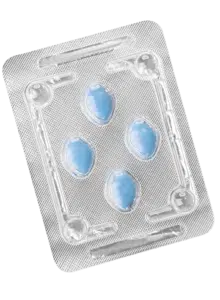
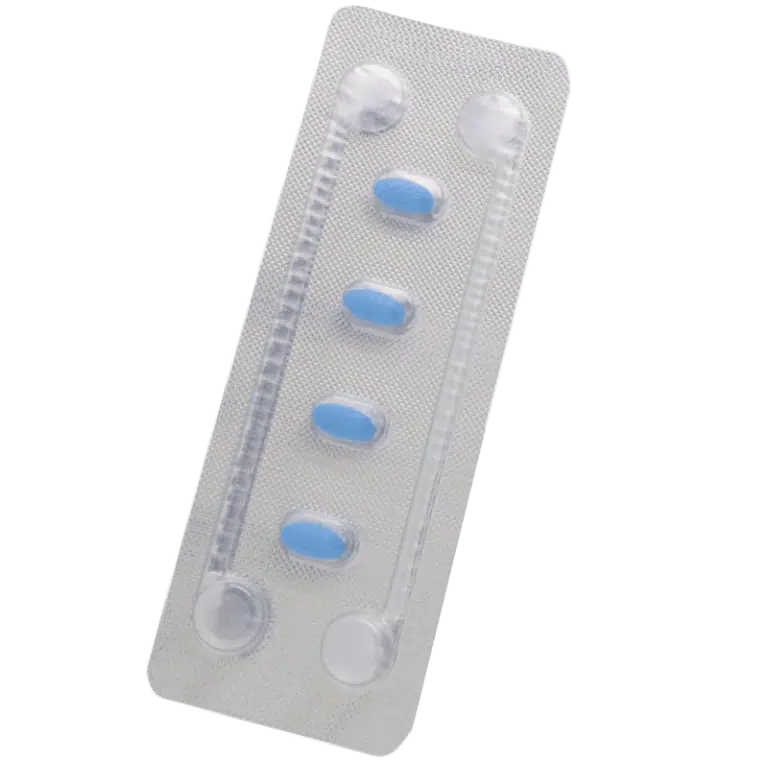
Finasteride is a tablet treatment for men experiencing hair loss, often known as male pattern baldness or androgenetic alopecia. It works by preventing a hormone conversion in the body that causes hair follicles to shrink. The tablets are also used to treat men with an enlarged prostate, also known as benign prostate enlargement (BPH).
Finasteride can’t permanently cure hair loss, but it can sometimes halt its progression. For some men, it can even trigger hair regrowth.
Hair loss, or male pattern baldness, is usually easy to identify. You can start to lose hair from your scalp, the top of your head, or from the front of the head, which is widely known as a receding hairline. The most common cause of hair loss in men is male androgenetic alopecia (MAA).[2] This progressive condition damages hair follicles and causes hair thinning on the scalp.
Studies have shown that using Finasteride for between 1-2 years can significantly improve the appearance of hair, encourage hair growth, and slow down hair loss.[1]
How does Finasteride work?
Finasteride stops the enzyme, 5-alpha reductase, from converting testosterone into another hormone known as dihydrotestosterone or DHT. DHT can make hair follicles shrink and thus cause hair loss. By inhibiting this enzyme, Finasteride can help regrow hair, and prevent further hair loss.
How long does Finasteride take to work?
Finasteride starts working in the body immediately, but it can take between 3 to 6 months to see results. It might even take up to 12 months to see the best results. The progress can be slow, but it’s important to continue taking treatment consistently. Stopping can return your DHT levels to pre-treatment levels, which can reverse any progress. Patience is key with Finasteride.
Additionally, Finasteride doesn’t always trigger hair regrowth. It’s primarily a treatment to slow hair loss rather than to regrow hair.
Your hair will still fall out as part of its natural growth cycle, so you’ll continue to see stray hairs in the shower, on your comb, or in your hands. This is entirely normal and nothing to worry about.
Treated trusted source:
Shapiro, J., Kaufman, D.K. 2003. Use of Finasteride in the Treatment of Men With Androgenetic Alopecia (Male Pattern Hair Loss). Journal of Investigative Dermatology Symposium Proceedings. U.S.A. Science Direct, Volume 8, Issue 1, June 2003, pages 20-23.
This page was written by The Treated Content Team.
This page was medically reviewed by Dr Daniel Atkinson on July 09, 2024. Next review due on July 09, 2027.
How we source info.
When we present you with stats, data, opinion or a consensus, we’ll tell you where this came from. And we’ll only present data as clinically reliable if it’s come from a reputable source, such as a state or government-funded health body, a peer-reviewed medical journal, or a recognised analytics or data body. Read more in our editorial policy.
FinasterideFinasteride
How to take Finasteride
Take one tablet every day, either with or without food, and swallow it whole.
It may be several months before you see the full effects of Finasteride. You should continue to take the tablets consistently for as long as you have been prescribed them.
What if I missed a Finasteride dose?
If you miss a tablet, don’t worry. Just take the next tablet as you would normally. Don’t take a double dose to make up for a missed one.
If you frequently forget doses, setting an alarm or daily reminder can help you. If this doesn’t work, it can help to take your pill with a meal to make sure you take it at the same time each day.
Are there different doses of Finasteride?
Finasteride comes as a 1mg tablet, which is taken once a day. There’s no other dose available, so whether your hair loss is moderate or severe, you’ll have the same dose.
This page was written by The Treated Content Team.
This page was medically reviewed by Dr Daniel Atkinson on July 09, 2024. Next review due on July 09, 2027.
How we source info.
When we present you with stats, data, opinion or a consensus, we’ll tell you where this came from. And we’ll only present data as clinically reliable if it’s come from a reputable source, such as a state or government-funded health body, a peer-reviewed medical journal, or a recognised analytics or data body. Read more in our editorial policy.
FinasterideFinasteride
There are some things you need to watch out for when taking Finasteride, and not everyone can use it.
Here’s the official safety info. If there’s something you’re not sure about, let us know.
FinasterideFinasteride
Finasteride: FAQ
Have something specific you want to know? Search our info below, or ask our experts a question if you can’t find what you’re looking for.
Dutasteride vs Finasteride: which one’s better for hair loss?
Answer:
Dutasteride is not a licensed treatment for hair loss in the UK. It is licensed for the treatment of prostate enlargement, or BPH, in the US, but there have been no clinical trials in the UK to test its safety and effectiveness for the treatment of hair loss.
Can Finasteride regrow hair?
Answer:
Finasteride works by preventing hair follicles from shrinking to stop or slow down hair loss, but some men experience fresh hair growth. While the tablets can restore hair and prevent further hair loss,[1] the effects of Finasteride only work while you’re using the medication. This means when you stop taking Finasteride, your hair loss will more than likely start up again.
Finasteride and contraindication
Answer:
Finasteride is safe to take with any other medication. There are no known contraindication.
But, you should avoid taking the herbal supplement St. John's wort (often used for depression and menopausal symptoms) as it can interfere with finasteride.[1] St. John's wort might stop finasteride from working or limit its full potential.
Finasteride and vitamins
Answer:
Biotin (vitamin B7) is a popular supplement taken for hair and nail growth. It plays a role in keratin production, which could explain why hair may seem healthier when it’s taken. But, there is limited evidence suggesting it can help with hair regrowth.[1] There shouldn't be much harm in taking biotin and finasteride together, but double check with your clinician to be on the safe side.
Does Finasteride work for hair loss?
Answer:
Finasteride is a popular treatment for male hair loss, and for good reason. Many studies have shown Finsteride to be an effective treatment, with more than 80% of the men taking daily Finasteride in one study finding that they stopped losing hair within 6–12 months. 66% even noticed hair regrowth.[1]
Additionally, in a 10 year study, 91.5% of 523 men saw improvements in hair loss with finasteride, and 99.1% found it had slowed the progression of their hair loss.[2]
So studies show that Finasteride tablets can be an effective choice for treating male hair loss. But the results between each person can differ depending on a lot of factors, such as age, ethnicity, and your health.
Can you get Finasteride without a prescription?
Answer:
Finasteride is only available on prescription. It’s not a suitable treatment for everyone, so it’s important that you speak to a healthcare professional before starting a course of treatment.
Finasteride vs Propecia: what's the difference?
Answer:
Propecia is the branded version of Finasteride. They both contain the same active ingredients and should work just as well. The main differences between the two are the packaging and price, with the generic one often being cheaper.
Does Finasteride affect ejaculation?
Answer:
You may find that the amount of ejaculate you produce is less than normal with Finasteride, or that you don’t produce any semen. The tablets can also cause erectile dysfunction, which can also impact your ejaculatory response. Both of these side effects can contribute to a decreased libido. If you’re worried about the side effects, you should let your clinician know.
Can I take Finasteride if my partner is pregnant?
Answer:
You can take Finasteride while your partner is pregnant, but it’s important to wear a condom. This is because small quantities of it can also pass into semen which might affect your baby.
Pregnant women should also be careful not to touch any crushed or broken tablets, as they can get into the bloodstream if accidentally swallowed. Finasteride tablets do have a protective coating on them to help guard against this.
What are the common side effects of Finasteride?
Answer:
Although there is a risk of getting side effects with Finasteride, there are no known common side effects. Some uncommon side effects include:
difficulty getting an erection;
decreased libido;
ejaculatory problems; and:
depression.
They usually occur while you’re taking the treatment, but resolve once you stop.[3] Some men have reported worsening mood or sex drive even after finishing their course of treatment, but there isn’t enough evidence to support that the treatment itself has caused this.
If you’re concerned about side effects, you should speak to your clinician. There are other treatment options for hair loss that might suit your needs better.
Is Finasteride suitable for all men?
Answer:
Finasteride is suitable for men aged 18-41 experiencing male hair loss. It isn't suitable if you’re allergic to any of the ingredients in Finasteride (listed in the patient information leaflet).
If you have any medical conditions, let your clinician know so they can check whether Finasteride is safe for you.
Finasteride can decrease prostate specific antigen (PSA) levels.[4] PSA tests are used to detect prostate cancer.[5] So if you’re scheduled for a PSA test, let your doctor know that you’re taking finasteride.
Can I take Finasteride with Minoxidil?
Answer:
Minoxidil is a topical hair loss treatment that works by increasing blood flow to the hair follicles. This provides them with the necessary nutrients and oxygen needed for hair to grow. This is different to how Finasteride works, which decreases DHT to prevent hair loss.
Some studies have shown that using topical minoxidil with finasteride can improve hair thickness more than just minoxidil alone.[6] If you’d like to use both treatments at the same time, you can discuss this with your clinician. They’ll help decide what's best for you.
Dutasteride vs Finasteride: which one’s better for hair loss?
Answer:
Dutasteride is licensed for the treatment of prostate enlargement, or BPE, in the US, but not hair loss. When doctors prescribe it for hair loss, it’s ‘off-label’ (which means not within the product license).
So if you’re looking for a hair loss treatment, Finasteride and Propecia are the more tried and tested options that are licensed for that purpose.
Treated trusted source:
Shapiro, J., Kaufman, D.K. 2003.Use of Finasteride in the Treatment of Men With Androgenetic Alopecia (Male Pattern Hair Loss). Journal of Investigative Dermatology Symposium Proceedings. U.S.A. Science Direct, [online] Volume 8, Issue 1, June 2003, pages 20-23.
Yanagisawa. M, et al. (2019). “Long-Term (10-Year) Efficacy of Finasteride in 523 Japanese Men with Androgenetic Alopecia.”
Lundahl, A., et al. (2009).The effect of St. John’s wort on the pharmacokinetics, metabolism and biliary excretion of finasteride and its metabolites in healthy men. European Journal of Pharmaceutical Sciences, 36(4-5), 433-443.
Last updated on Jul 08, 2024.
How we reviewed this page:
Our experts continually monitor new findings in health and medicine, and we update our articles when new info becomes available.
Jul 08, 2024
Published by: The Treated Content Team.Medically reviewed by: Dr Daniel Atkinson, Clinical Reviewer
How we source info.
When we present you with stats, data, opinion or a consensus, we’ll tell you where this came from. And we’ll only present data as clinically reliable if it’s come from a reputable source, such as a state or government-funded health body, a peer-reviewed medical journal, or a recognised analytics or data body. Read more in our editorial policy.
This is healthcare on your terms.
All from the comfort of your device. Get access to what you need, when you need it.
100% online
Ask questions and get expert recommendations, at the touch of a button.
Tailored choices
We'll narrow down some treatments for you to choose from based on your medical profile.
Secure shipping
Receive your treatment by express delivery, in discreet packaging.
Easy automatic refills
Set your own delivery schedule and pause or make changes any time you like.
Finasteride is generally effective in slowing or stopping hair loss, with some users even experiencing hair regrowth. Results can take several months to a year to become visible. Some users have expressed uncertainty about long-term use and cost versus benefit, particularly at an older age. A few users reported no noticeable effects.
We're making healthcare more about you. Sign up to our newsletter for personalised health articles that make a difference.
Disclaimer: The information provided on this page is not a substitute for professional medical advice, diagnosis, or treatment. If you have any questions or concerns about your health, please talk to a doctor.
Dr Daniel Atkinson
Clinical Reviewer
Dr Daniel is a UK doctor who reviews medical content across the site to make sure it's clinically accurate. On specific pages he's reviewed you'll see his reviewer card.
When we present you with stats, data, opinion or a consensus, we’ll tell you where this came from. And we’ll only present data as clinically reliable if it’s come from a reputable source, such as a state or government-funded health body, a peer-reviewed medical journal, or a recognised analytics or data body. Read more in our editorial policy.
Reviews you can trust
All of our reviews are collected from real patients after their treatment has been delivered.
We publish reviews collected through independent platforms including Reviews.io and Trustpilot.