





Where do I put the Xulane patch?
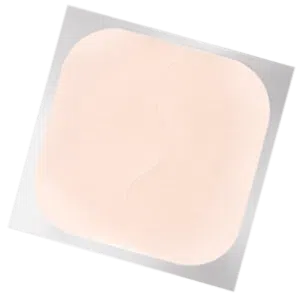
Place your patch on clean, unbroken skin on your thighs, abdomen, buttock, upper outer arm or upper body. Wherever you chose to place the patch, you should make sure that it won’t be rubbed by tight clothing.
These are the only parts of the body where you can place the Xulane patch. You should not place the patch on your breasts, for example, because it’s not safe. It also shouldn’t be placed on dry, broken or irritated skin.
Be mindful about using any creams, lotions, powders or oils around the area where you’ve placed your patch. The patch might not stick properly or might come off as a result.
When it’s time to change the patch, you should switch sides. So if you’ve been wearing your patch on the left side of your body, for the next week it should be worn on the right.
When can I start Xulane?
You should begin using Xulane on the first day of your period, or on the first Sunday after the beginning of your period. When you start using Xulane, you should use a back-up method of birth control when you do have sex. It will take at least seven days for your body to adjust to the hormones and for the patch to become effective.
Your patch should be changed on the same day you applied it. It’s important that you get into a routine of this, because if you’re late changing the patch, its effectiveness might become altered. You might want to set an alarm or some sort of reminder when you need to change the patch.
When you apply the next patch, you should opt for the opposite side to where you have just worn it. This will help to make sure that your skin doesn’t become irritated, as you might find some sensitivity where the patch was worn.
How effective is the Xulane patch?
When taken correctly (by this we mean exactly as explained in the package insert), Xulane is up to 99% effective.[1] This means out of 100 women who use the patch properly, fewer than one will become pregnant over the course of a year.
Perfect use of the patch tends to happen during clinical trials. But for one reason or another, it’s less likely in day-to-day life. Maybe the patch peels off or you delay putting on a new patch after the patch-free week, compromising its effectiveness. Making the occasional mistake is known as “typical use,” and for the patch this is thought to make it between 91% and 94% effective (meaning that out of 100 women using it typically over 12 months, between 6 and 9 will fall pregnant).
If you’re worried about how effective your patch is, you could use another method of birth control to further protect you — but it shouldn’t be another hormonal method. The hormones found in the patch, the ring or the pill are carefully measured to be safe. Use a method like condoms or a diaphragm for extra cover instead.
How we source info.
When we present you with stats, data, opinion or a consensus, we’ll tell you where this came from. And we’ll only present data as clinically reliable if it’s come from a reputable source, such as a state or government-funded health body, a peer-reviewed medical journal, or a recognised analytics or data body. Read more in our editorial policy.