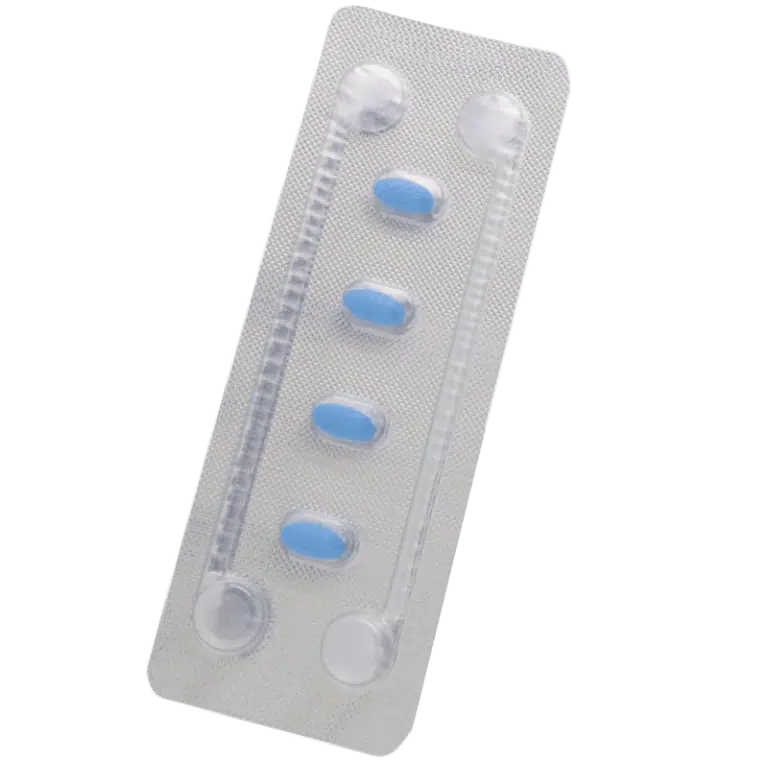
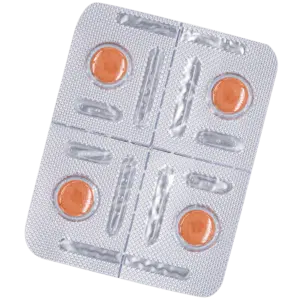
Contrave is a weight loss tablet that works in the brain to alter feelings of hunger and how your body spends energy. You’ll start off on a low dose of one tablet per day, and gradually increase this to two tablets twice a day over the first four weeks.
Contrave is a medicine that’s only available by prescription, so you’ll need to have a consultation with us about it before you use it.
How does Contrave work?
Contrave weight loss tablets contain naltrexone and bupropion, and these work on the specific area of the brain that controls how much food you eat and how energy is spent. By affecting cravings for food, it makes it less likely you’ll overeat, which can lead to significant weight loss if you make adjustments to your lifestyle too.
The ingredient bupropion is also used in some antidepressant medications, as well as a popular stop smoking treatment called Zyban. So Contrave is quite different to the weight loss tablet Orlistat, which affects how much fat you take up from food.
Is Contrave effective?
Contrave has been shown to work well in clinical trials, and be even more effective when used alongside weight loss management counseling. In a study of people taking it over 56 weeks, there was an average weight loss of 5.4%, and an average weight loss of 8.1% in people who also had behavioral support. [1]
In a combined analysis of studies, up to 42% of people taking Contrave over 56 weeks lost at least 5% of their body weight, and up to 22% lost 10% of their body weight. [2] So it has proven to be effective for a sizable portion of people that take it.
Treated trusted source:
Patel, D.K. and Stanford F.C. Safety and tolerability of new-generation anti-obesity medications: a narrative review. Postgraduate Medicine. U.S.A. Taylor and Francis Online.
This page was written by The Treated Content Team.
This page was medically reviewed by Ms Laurenmarie Cormier on April 16, 2025. Next review due on April 16, 2028.
How we source info.
When we present you with stats, data, opinion or a consensus, we’ll tell you where this came from. And we’ll only present data as clinically reliable if it’s come from a reputable source, such as a state or government-funded health body, a peer-reviewed medical journal, or a recognised analytics or data body. Read more in our editorial policy.
ContraveBupropion, Naltrexone
How to take Contrave pills
Read the instructions that come with the medication before you take Contrave. If there’s anything you aren’t sure about, let us know.
During week one of treatment, take one tablet once a day in the morning.
During week two, take one tablet twice a day, one in the morning and one in the evening
During week three, take two tablets in the morning and one in the evening.
From week four onwards, take two tablets in the morning and two in the evening.
Simply swallow the tablet whole with water, without crushing or breaking them.
It’s better to take them with or after a meal and not on an empty stomach, however you should avoid taking them with a high-fat meal, as this can increase your risk of seizures.
You’ll normally have your weight monitored as the course progresses to make sure it’s working for you.
What should I do if I forget to take Contrave?
If you forget your Contrave dose, don’t worry – just take your next dose as normal and continue the course. Don’t take double the amount at your next dose, because this won’t have any benefit and increases the risk of side effects. If you’re having trouble remembering to take the medication, you might find it useful to set a daily reminder to take it at specific times, or take it with a specific meal each day.
What should I do if I take too much Contrave?
If you’ve taken too much Contrave, you should seek immediate medical attention. Go to your nearest hospital and take your Contrave packaging with you if possible. Taking the tablets at the same time each day can help you to remember when to take your dose and can prevent from taking too much by accident.
This page was written by The Treated Content Team.
This page was medically reviewed by Ms Laurenmarie Cormier on April 16, 2025. Next review due on April 16, 2028.
How we source info.
When we present you with stats, data, opinion or a consensus, we’ll tell you where this came from. And we’ll only present data as clinically reliable if it’s come from a reputable source, such as a state or government-funded health body, a peer-reviewed medical journal, or a recognised analytics or data body. Read more in our editorial policy.
ContraveBupropion, Naltrexone
There are some things you need to watch out for when taking Contrave, and not everyone can use it.
Here’s the official safety info. If there’s something you’re not sure about, let us know.
ContraveBupropion, Naltrexone
Contrave: FAQ
Have something specific you want to know? Search our info below, or ask our experts a question if you can’t find what you’re looking for.
How safe is Contrave?
Answer:
Contrave is a safe treatment for the majority of people that use it. In a safety and tolerability review of weight loss medications, the majority of side effects associated with naltrexone and bupropion were transient meaning they only lasted for a short amount of time. [1]
But you should still read the safety info that comes with Contrave before you take it, and report anything unusual to a doctor.
Can you get side effects with Contrave?
Answer:
Some people who use Contrave may get side effects, as is the case with any medication. In some cases these might be mild or pass after a short time, but a minority of people may get more serious side effects.
Here are the most common ones:
Nausea (very common)
Constipation
Headache
Vomiting
Dizziness
Insomnia
Dry mouth
If you do develop serious side effects, such as an allergic reaction, get urgent help right away at your nearest hospital.
Contrave, Xenical or Saxenda: what’s the difference?
Answer:
Contrave shares some similarities with other treatments for weight loss. It’s a tablet, like Xenical, but works in a different way to this medication. Xenical, instead, works by preventing the body from digesting fat, which is eliminated without being fully processed by the body.
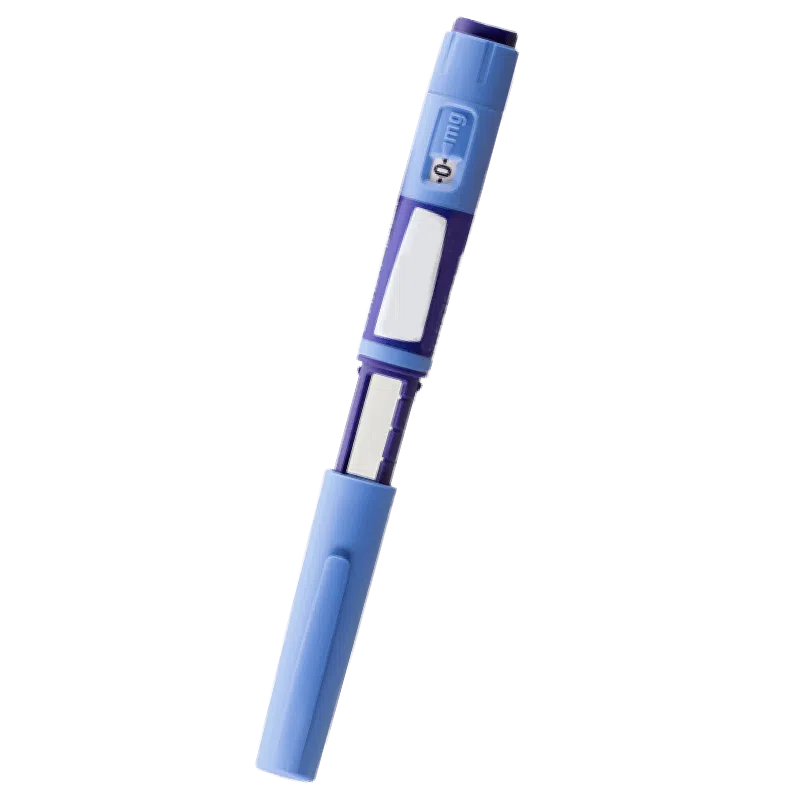
Like Saxenda, Contrave has an effect on appetite, but the way the medication is administered is quite different (Saxenda is an injection).
So which is better? It depends on a number of things: what you’ve used before, whether it was successful, and to an extent how much weight you need to lose and how quickly you want to lose it. Our clinicians can help discuss your weight loss goals with you before helping you settle on a treatment they think will work best for you.
What are the ingredients in Contrave?
Answer:
There isn’t a non-branded version of Contrave available currently, although the medication is known by different names overseas (in the UK, it’s called Mysimba).
The active components in Contrave are available in other medications. For example, Zyban, a stop smoking treatment, contains bupropion. But this isn’t suitable for use in weight loss.
Do I need to change my diet and exercise more when taking Contrave?
Answer:
For any weight loss treatment to work at its best, you’ll need to eat a healthy balanced diet and get regular physical activity when taking it. If you don’t make lifestyle changes but do manage to lose weight with treatment, it’s possible that you’ll regain the weight you lost if you haven’t developed good habits to maintain a healthy weight.
Can I only get Contrave by prescription?
Answer:
Yes, you’ll need a prescription to get Contrave, whether you’re purchasing it online or directly from the pharmacy. This is because its use needs to be monitored by a clinician. For example, if you don’t lose 5% of your weight during the first 16 weeks of treatment, it’s likely you’ll need to try another medication or method of losing weight. Your blood pressure may need to be monitored as well.
Treated trusted source:
Khera, R, Et al. 2016. Association of Pharmacological Treatments for Obesity With Weight Loss and Adverse Events. U.S.A. Jama Network.
Last updated on Sep 24, 2025.
How we reviewed this page:
Our experts continually monitor new findings in health and medicine, and we update our articles when new info becomes available.
Why this page was updated on Sep 24, 2025
Content checked and updated as part of our 3-yearly periodic review, to ensure accuracy and currentness.
Current version (Sep 24, 2025)
Edited by: The Treated Content Team.Medically reviewed by: Dr Daniel Atkinson, Clinical Reviewer
Jul 26, 2024
Published by: The Treated Content Team.Medically reviewed by: Ms Laurenmarie Cormier, Clinical Content Reviewer
How we source info.
When we present you with stats, data, opinion or a consensus, we’ll tell you where this came from. And we’ll only present data as clinically reliable if it’s come from a reputable source, such as a state or government-funded health body, a peer-reviewed medical journal, or a recognised analytics or data body. Read more in our editorial policy.
This is healthcare on your terms.
All from the comfort of your device. Get access to what you need, when you need it.
100% online
Ask questions and get expert recommendations, at the touch of a button.
Tailored choices
We'll narrow down some treatments for you to choose from based on your medical profile.
Secure shipping
Receive your treatment by express delivery, in discreet packaging.
Easy automatic refills
Set your own delivery schedule and pause or make changes any time you like.
We're making healthcare more about you. Sign up to our newsletter for personalised health articles that make a difference.
Disclaimer: The information provided on this page is not a substitute for professional medical advice, diagnosis, or treatment. If you have any questions or concerns about your health, please talk to a doctor.
Dr Daniel Atkinson
Clinical Reviewer
Dr Daniel is a UK doctor who reviews medical content across the site to make sure it's clinically accurate. On specific pages he's reviewed you'll see his reviewer card.
When we present you with stats, data, opinion or a consensus, we’ll tell you where this came from. And we’ll only present data as clinically reliable if it’s come from a reputable source, such as a state or government-funded health body, a peer-reviewed medical journal, or a recognised analytics or data body. Read more in our editorial policy.
Reviews you can trust
All of our reviews are collected from real patients after their treatment has been delivered.
We publish reviews collected through independent platforms including Reviews.io and Trustpilot.