Zepbound is a relatively new treatment, so there are still a lot of myths and misconceptions about it. Luckily, we’re here to set the record straight.

Wondering if Zepbound is safe? Whether switching injection sites really affects possible side effects? Or have you heard that there’s an extra fifth dose in every pen? We’ll break down all these myths and more to help you find the best weight loss injection for you.
Last updated on Dec 05, 2025.

Summary:
- When taken with a nutrient-rich diet and regular exercise, weight loss injections are a safe and effective way to lose weight.
- Using weight loss injections isn’t ‘cheating’, they’re a tool to be used alongside your diet and exercise journey.
- You don’t have to move up a dose every month if you don’t want to, and you can move back down doses to help with side effects.
- If you take a break from weight loss injections for more than two weeks, you’ll have to start from the lowest dose again if you want to restart.
- The liquid in the end of a Zepbound pen isn’t a fifth dose, and shouldn’t be used.
Despite what you might have seen on social media, weight loss injections are very safe. Just make sure you get your treatment from a registered pharmacy, and follow your healthcare provider’s instructions.
Weight loss injections like Zepbound are officially approved for weight loss in people with a BMI equal to or greater than 30 (or 27 if they have a health condition related to their weight like high blood pressure, high cholesterol, or heart problems). If you meet this criteria and the treatment won’t interact with your existing medicines or conditions, they could be a really useful tool to help you on your weight loss journey.
There’s a very small chance that Zepbound can cause serious side effects, but this is rare. Clinical trials found a link between GLP-1 receptor agonists and an increased risk of thyroid cancers, so you shouldn’t use Zepbound if you have a family history of thyroid cancer, or a thyroid related condition called multiple endocrine neoplasia syndrome type 2 (MEN 2). Speaking with a healthcare provider before you start treatment can minimize your risk of side effects.
Weight loss injections are done subcutaneously, meaning they’re injected into the layer of fat beneath your skin – not into a vein. This makes them much easier to use than intravenous injections (which means into a vein). Using subcutaneous injections on your own is completely safe – there’s nothing to worry about. We’ll send you detailed resources on how to use your medication to minimize any injection site reactions, pain, and marking.
Zepbound pens use very short, thin needles to make them as comfortable as possible. You’ll feel a pinch as the needle breaks your skin, but once it’s in you shouldn’t feel any more discomfort.
Unlike vaccinations and blood tests, you shouldn’t get any soreness or discomfort. But injection site reactions are a possible side effect of using Zepbound. Rotating your injection sites each week can help reduce your risk of any bad reactions where you inject the treatment.
Weight loss injections aren’t available to those living with an eating disorder, or people with a BMI lower than 30 (or 27 if you have a health condition related to your weight). But unless you’re taking a different medication or you have a health condition that interacts with weight loss injections, you should be able to access treatment.
Medications that you swallow can take longer to be absorbed while you’re using weight loss injections, as they affect how quickly your stomach empties. Some medications that you can’t use alongside Zepbound include:
And if you have any of the following conditions, speak to your doctor before starting any weight loss treatment:
Firstly, there’s no ‘normal way’ to lose weight. Everyone’s weight loss journey will look a little different, and something that works for one person might not be as effective for someone else.
When you use Zepbound to help you lose weight, you’ll still need to ensure you’re eating a balanced, nutritious diet and getting in regular physical exercise. Zepbound will simply help you manage the amount of food you eat better, to help you avoid over-eating. This means you’ll still have to make the same changes to your diet and lifestyle while using Zepbound as with losing weight the ‘normal’ way – it’s just a tool to make your journey a little easier.
Using Zepbound could help you stick to your weight loss goals, too. There’s a cost investment to achieving your weight loss goals when you use weight loss injections, which can give you the extra motivation you need to stick to a healthy diet and exercise plan.
And there are some cases in which losing weight with a weight loss injection like Zepbound could be better for your health than without. Our clinical lead, Dr. Daniel Atkinson, said: “we’re still not 100% sure why, but losing weight with weight loss injections can be more beneficial than without when it comes to certain heart conditions.”
“In 2024, Wegovy was approved by the FDA for reducing the risk of serious heart problems in those living with overweight and obesity,” Dr. Daniel Atkinson continued. “And while Zepbound hasn’t been approved to reduce cardiovascular health risks yet, current data suggests it could offer even greater protection against adverse cardiovascular events.”
While Zepbound can help with your weight loss journey, it can’t work miracles. It’s simply another tool to help you on your weight loss journey. You’ll still need to exercise regularly and eat a nutrient-packed, low-fat diet to get the most out of your treatment. But the evidence shows that Zepbound could help you achieve your weight loss goals more effectively than with diet and exercise alone.
A 72-week study enrolled 579 people in a lifestyle program involving diet and exercise. At the end of the study, results showed that tirzepatide (the active ingredient in Zepbound), led to an average additional weight loss of 18.4%, compared to a gain of 2.5% in the placebo group. So while you’ll still have to put in the work to lose weight with Zepbound, the data suggests it can help you achieve your goals more effectively than lifestyle changes alone.
The best injection sites for Zepbound that you should stick to using are:
Where you inject Zepbound shouldn’t affect where you lose weight, or how much weight you lose. The best place to inject Zepbound is the place that’s most comfortable and accessible for you.
But it is important to rotate your injection site each week, to minimize any side effects or injection site reactions. Some people may experience redness, swelling, itching, or discomfort around their injection site – and rotating where you inject Zepbound can help reduce these side effects. These site reactions tend to go away on their own as your body gets used to treatment – but if you’re struggling in the meantime, non-drowsy antihistamine tablets or topical creams can help to relieve them.
You’ll only need to move up Zepbound doses each month until you find the one that’s right for you. You don’t have to keep increasing all the way to the maximum 15 mg maintenance dose – and staying at a lower maintenance dose that works for you can save you money, as well as minimize your risk of any side effects.
Your healthcare provider will help you find the dose of Zepbound that’s right for you. And if you find that your current dose isn’t working as well as you’d like, or you’re struggling with side effects and want to try lowering your dose – speak to them about trying a higher or lower dose where possible.
You can move back down to a lower dose of Zepbound after moving up. In fact, it’s usually recommended if you’re dealing with side effects on your current dose.
It’s easy to feel like you have to move up to the next dose of your treatment each month to get the best results. But if you’re struggling with side effects, or you feel you can achieve the results you want with a lower dose, speak to your doctor about moving back down.
You can miss an injection by a couple of days – but if you stop taking weight loss injections for more than two weeks, you can’t just pick up where you left off again. While it is possible to stop using weight loss injections and then start using them again at a later date, you’ll need to start from the lowest dose and work your way back up to a maintenance dose that suits you. Your body will need time to adjust to the medication again, and if you jump back in with a higher dose, there’s a good chance you’ll get some unpleasant side effects.
If you’re thinking about stopping weight loss injections because of side effects, speak to your clinician about moving down a dose. Taking a lower dose can help to relieve the side effects of your weight loss injections while still allowing you to benefit from their effects.
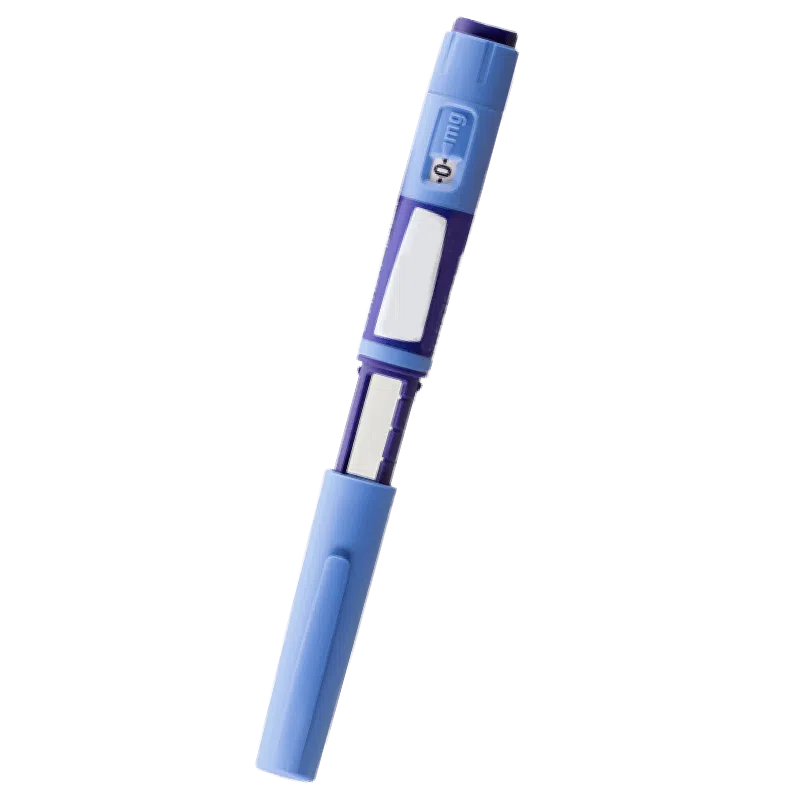
The liquid that’s left in your Zepbound pen after you’re done using it isn’t an extra dose of medication. It’s there to make sure there’s enough medicine in the pen for all four of your doses, so you don’t run out before finishing the pen. But this extra medicine isn’t measured, and there’s no way of knowing how much Zepbound you’ll be taking in this way. This can lead to taking too little or too much medication, which can each come with their own complications.
You should only use the four doses in each Zepbound pen as instructed, and then safely dispose of the pen afterwards in a sharps bin.
When you’re looking for information on Zepbound (or other weight loss treatments), it’s important that you’re getting reliable information you can trust. Make sure that your sources have been reviewed by registered healthcare professionals, and that they’re backed by other reliable sources. If you’re looking to order Zepbound, make sure the pharmacy you choose is licensed in the United States and, for online pharmacies, accredited by a program like the National Association of Boards of Pharmacy (NABP), so you know they’re a safe and reliable source.
We’ve got plenty of information on Zepbound to help you make the best decision about weight loss treatment for you. And we’ve got plenty of advice to support your weight loss journey, too – whether you decide to use weight loss injections or not.
FDA Approves New Medication for Chronic Weight Management. FDA.
GLP-1 Receptor Agonists and the Risk of Thyroid Cancer. Diabetes Care. 46(2). pp. 384-390.
Zepbound interactions: Alcohol, drug interactions, and other factors. Medical News Today. December 7.
Mounjaro Interactions: Alcohol, Medications, and Others. Healthline. July 25.
Comparison of cardiovascular outcomes in patients with diabetes treated with tirzepatide versus semaglutide: a multi-institutional analysis. European Heart Journal. 45(1).
Tirzepatide after intensive lifestyle intervention in adults with overweight or obesity: the SURMOUNT-3 phase 3 trial. Nature Medicine.
Sourcing guidelines:
When we present you with stats, data, opinion or a consensus, we’ll tell you where this came from. And we’ll only present data as clinically reliable if it’s come from a reputable source, such as a state or government-funded health body, a peer-reviewed medical journal, or a recognised analytics or data body. Read more in our editorial policy.
Have a subject you’d like us to cover in a future article? Let us know.
We're making healthcare more about you. Sign up to our newsletter for personalized health articles that make a difference.
Disclaimer: The information provided on this page is not a substitute for professional medical advice, diagnosis, or treatment. If you have any questions or concerns about your health, please talk to a doctor.
Authorised and Regulated by:
We couldn't find what you're looking for.
Here's everything we treat. Or, if you're looking for something we don't have yet, you can suggest something.
(And leave your email too, so we can let you know if we write an article based on your suggestion.)
Last updated on Dec 5, 2025.
Our experts continually monitor new findings in health and medicine, and we update our articles when new info becomes available.
Dec 05, 2025
Published by: The Treated Content Team. Medically reviewed by: Dr Alexandra Cristina Cowell, Writer & Clinical Content ReviewerHow we source info.
When we present you with stats, data, opinion or a consensus, we’ll tell you where this came from. And we’ll only present data as clinically reliable if it’s come from a reputable source, such as a state or government-funded health body, a peer-reviewed medical journal, or a recognised analytics or data body. Read more in our editorial policy.