VerifiedFact Checked
Why do weight loss injections make you thirsty?

Why do weight loss injections make you thirsty?

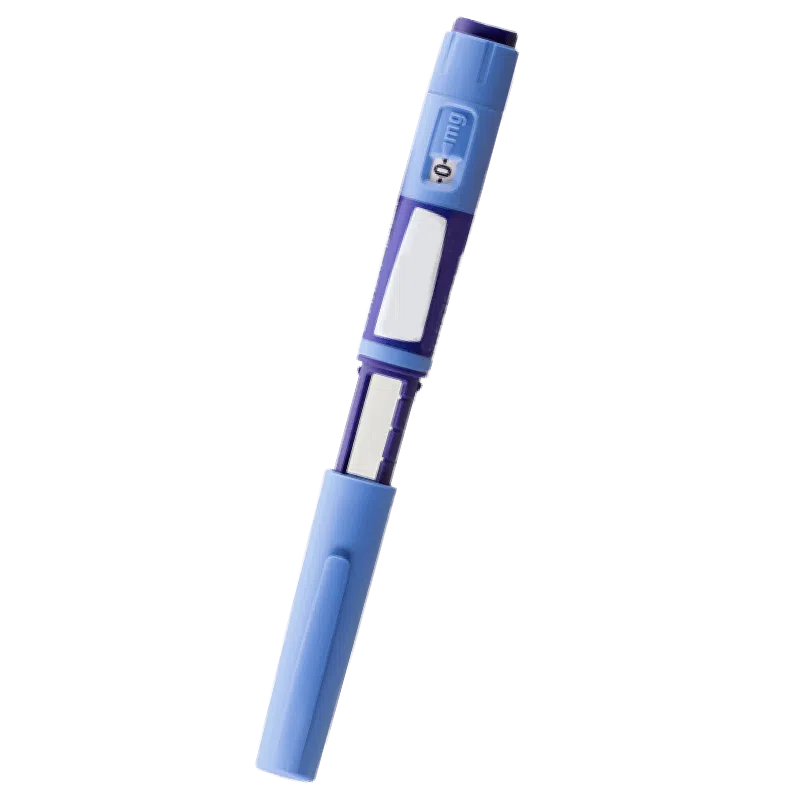
There are several reasons why you might feel thirsty when you’re on weight loss injections. It could be because you’re exercising more, or dietary changes mean you're consuming less water overall.

Alexandra Cristina Cowell
Medically reviewed by
Alexandra Cristina Cowell, Writer & Clinical Content Reviewer
Go to
Medically reviewed by
Dr Alexandra Cristina Cowell
Writer & Clinical Content Reviewer
on Jun 02, 2025.
Meet Alexandra Cristina  
Alexandra Cristina

Last updated on Dec 05, 2025.

Was this article useful?
  • Eating less means you’re getting less water from food, possibly making you thirstier.
  • Exercise can make you sweat, which can increase thirst.
  • Side effects like nausea, vomiting, or diarrhea can cause fluid loss, triggering dehydration.
  • Lower blood pressure can activate thirst to restore fluid levels.

1. Consuming less water in foods

Weight loss injections (WLIs) can reduce your appetite, making you less likely to overeat. This may increase your thirst since you’re getting less hydration from food.

A US study found that around 19% of water intake comes from food. So eating less might result in lower water consumption overall.

Solution: Eat more ‘watery’ foods like cucumbers and watermelon. These foods have less fiber, so they’ll be easier to digest, while keeping you hydrated.

2. Overall lifestyle changes

If you’re exercising while on WLIs, you might notice you’re feeling thirstier. Exercising can produce heat, which is lost through sweat. As you sweat, you lose water, which can lead to dehydration.

Additionally, if you’re exercising strenuously, you might be breathing harder, causing further water loss through water vapor.

All of these factors can dehydrate you and trigger your thirst mechanism.

Solution: Drink water regularly when working out.

3. Gastrointestinal side effects of weight loss injections

Nausea, vomiting and diarrhea are all common side effects of WLIs. You’ll often get them during the first few weeks, and they should settle as your body adjusts to the medication.

These side effects can lead to fluid loss, making you thirsty. It’s important to drink water after vomiting or diarrhea to prevent dehydration.

Solution: Electrolytes can help hydrate your body quickly and effectively after vomiting or diarrhea.

4. Low blood pressure

WLIs may lower your blood pressure, whether that’s by losing weight or regulating your blood sugar.

To raise your blood pressure, your body might trigger thirst signals, prompting you to drink more water. This helps increase your blood volume, which elevates blood pressure levels.

Maintaining healthy blood pressure is essential, as low levels can make it more difficult for your heart to pump blood and essential nutrients throughout your body.

Solution: Drink water regularly throughout the day. If you have a blood pressure cuff at home, use it often and let your doctor know if your levels are low so they can treat it promptly.

5. Increased metabolism

While limited evidence suggests WLIs can increase metabolism, a faster metabolism can indirectly lead to thirst.

You’re more likely to generate heat, which is lost as sweat, have faster kidney function, or burn more fat, all of which might cause thirst.

Solution: Drink plenty of water and limit alcohol and sugary drinks, as these can cause dehydration.

6. Dry mouth can trigger thirst

Some weight loss injections can cause dry mouth. This can activate thirst signals in your brain, even if you’re not actually dehydrated.

Solution: Take regular sips of water. Suck on hard candies or ice cubes to stimulate saliva production.

Reference Popover #ref1
Reference Popover #ref2
Reference Popover #ref3

Sourcing guidelines:

When we present you with stats, data, opinion or a consensus, we’ll tell you where this came from. And we’ll only present data as clinically reliable if it’s come from a reputable source, such as a state or government-funded health body, a peer-reviewed medical journal, or a recognised analytics or data body. Read more in our editorial policy.

Tell us what you want to hear.

Have a subject you’d like us to cover in a future article? Let us know.

Give us the inbox treatment.

We're making healthcare more about you. Sign up to our newsletter for personalized health articles that make a difference.

Disclaimer: The information provided on this page is not a substitute for professional medical advice, diagnosis, or treatment. If you have any questions or concerns about your health, please talk to a doctor.

Suggest a health guide

Tell us your idea here.

(And leave your email too, so we can let you know if we write an article based on your suggestion.)