There are a few different weight loss treatments around, available as either tablets or injections, which work in different ways to help you lose body weight.
But what if the one you’re prescribed doesn’t feel right for you? Or it becomes unavailable? The good news is that it’s easy to switch to another treatment if you want to – you just need to work with your doctor to decide which one’s best for you.

“Switching weight loss treatment doesn’t have to be difficult. Provided you follow the advice of your doctor when it comes to your dosage, exercise and dietary plan, you should be able to find the right treatment for you.”
Last updated on Jan 16, 2023.

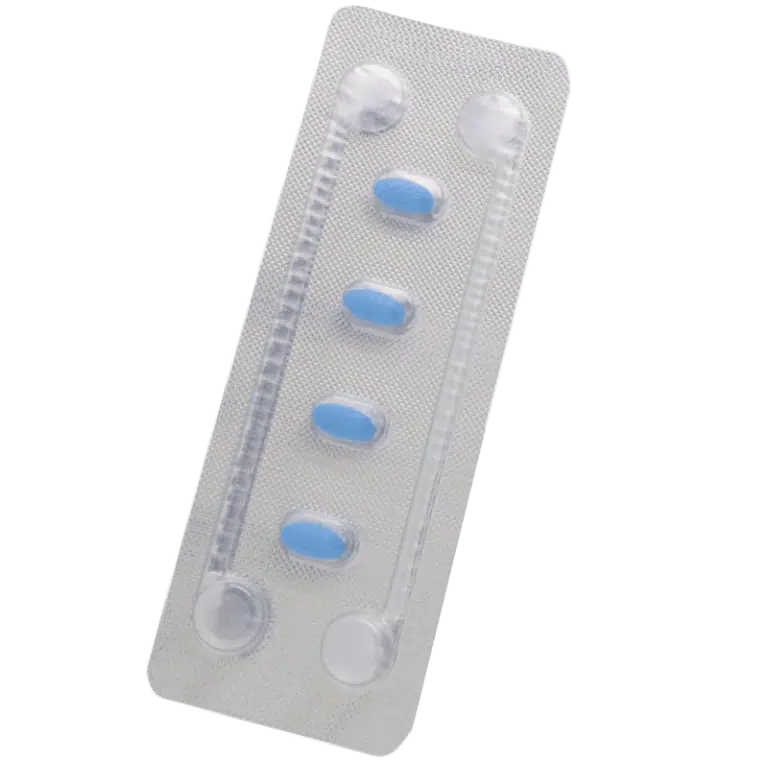
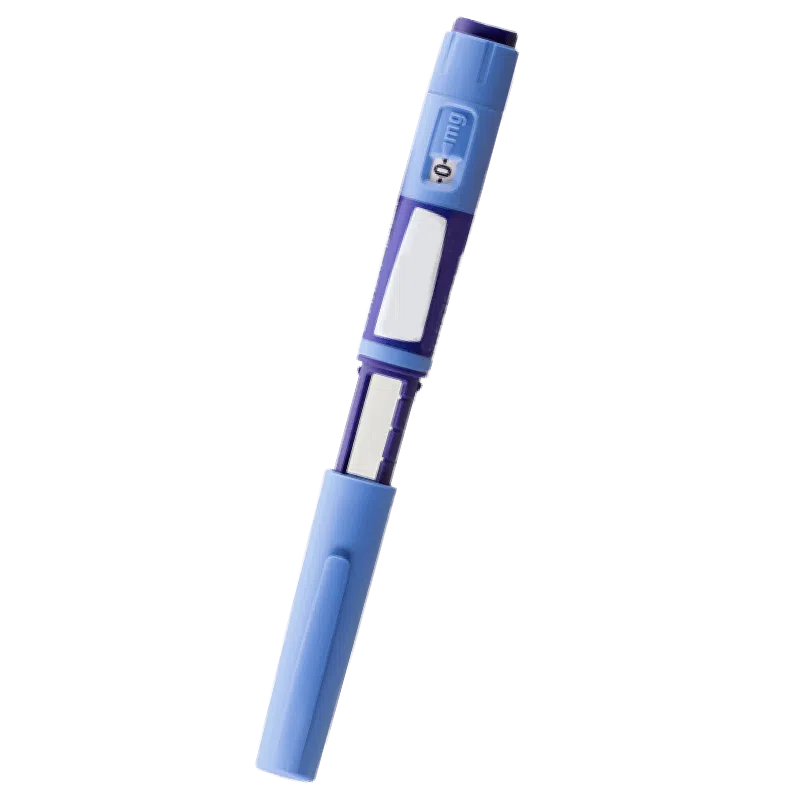
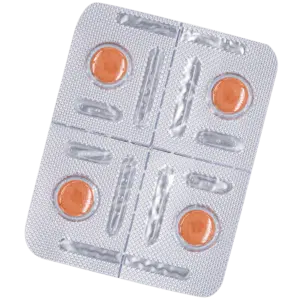
There are two main types of weight loss medications, injections, such as Wegovy and Saxenda, and tablets, like Contrave, Alli, Xenical and Orlistat. For all the treatments you can only be prescribed them if you have a BMI (body mass index) of over 30, or over 27 if you have a weight-loss related illness, such as high blood pressure and diabetes.
Each treatment contains different weight loss drugs, for example, Wegovy contains semaglutide and Xenical contains orlistat. These different active ingredients mean that they can work differently in the body to help you lose weight. So if you’re switching between treatments, it’s best you consult with a doctor and follow their advice.
There’s no ‘best’ way to switch weight loss treatment. It’s entirely dependent on what treatment you’re switching to-and-from, as well as your other health needs.
Typically, when switching medication, you’ll need to start at a lower dose again at first in order to manage side effects while your body gets used to the new drug. This can be especially important for injection medications, as these tend to follow a dosing schedule that gradually increases the amount of medicine you’re taking until it reaches a level that provides the best results for you (a process called titration).
This could be a bit of a change for you if you’ve been taking something with a stable dose, such as Orlistat. And it does also mean that even if you’ve been taking a treatment with a graduated dose, such as Saxenda, you’ll still need to follow the same process with another treatment like Wegovy if you decide to switch. This is because they use different active ingredients in different dosages.
Injectable weight loss treatments are usually ‘GLP-1 receptor agonists’. This is a type of drug that was originally licensed for type-2 diabetes, though there are now GLP-1 receptor agonists formulated specifically for weight loss: Saxenda, Wegovy and Zepbound (dual GLP-1 and GIP receptor agonist). GLP-1 agonists work in your brain to make you feel fuller and less hungry.
Oral weight loss treatments, however, work in slightly different ways. There are a few different types of oral medication licensed for weight loss: orlistat (brand names Alli and Xenical), Contrave (which uses the active ingredients bupropion and naltrexone), and Qsymia (a combination of phentermine and topiramate).
Orlistat works quite differently from injectable weight loss treatments, in that its primary mode of action isn’t to help regulate your food intake by making you feel fuller or less hungry. Instead it works in your digestive system to reduce the amount of calories you take in from the food you eat. It binds to the enzymes that break down fats in your body stopping it from being absorbed. So it’s not the best weight loss drug if you’re on a low fat diet. But, you might want to switch from an injectable treatment to orlistat if you’ve been experiencing certain side effects, like insomnia, from your treatment.
Contrave, on the other hand, works in a more similar way to injectable weight loss treatments. This is because it works on parts of your brain responsible for cravings. So it helps you lose weight by making food less appealing to you, therefore making you more likely to be in a calorie deficit. It’s even more effective when used alongside weight loss management counseling.
This makes Contrave a more ‘natural’ treatment to switch to from injectable treatments, as it won’t feel quite so much of a change as switching to a treatment with a completely different mode of action. This kind of switch could be ideal for you if you’re finding using injectable treatment difficult, or if it becomes unavailable.
When switching to Contrave, you’ll probably be advised to start at the lowest dose (one tablet a day), which you’ll then need to gradually increase to four tablets a day after three weeks of taking it. This might feel like a bit of a step backwards if you’re already on a higher dose of another treatment, but it’s important for your safety to gradually build up to the higher doses of a new treatment so that your body can get used to it.
Qsymia is an oral treatment that contains two active ingredients: phentermine and topiramate. It’s a pill that you take once daily in the morning. It’s generally recommended that you avoid taking it in the evening since it can cause trouble sleeping. You can only get it from certified pharmacies that are part of the Qsymia REMS program.
It’s not fully known how Qsymia helps with weight loss, but it’s thought to work as a stimulant that curbs appetite and boosts metabolism. Topiramate, one of the active ingredients, is believed to work by affecting chemicals in your brain to reduce hunger and make you feel full longer.
When switching from tablets to injections, you’ll still need to consider the way the drug works in your body, as well as the fact that you’ll need to start again at a lower dose. But another thing you’ll also need to consider is the method of administration. Some people don’t feel comfortable using needles, so you’ll need to make sure that you’re confident and able to use this treatment before you start. (Don’t worry though, your doctor will show you how to use it if you’re not sure.)
Using an injectable treatment can feel a little less convenient than tablets or capsules. But once you’re used to it you might actually find that these treatments are easier to stick to. This is because tablet treatments usually need to be taken at least once a day, and with orlistat you’ll need to make sure you sync your doses with your meal-times. Whereas you only need to use Saxenda once a day, and Wegovy even less (once a week). This means that with injections you’ll only need to set aside – at most – one time a day to use your treatment. And the rest of your day is for you.
When switching oral weight loss treatments, such as orlistat to Contrave (or vice-versa), the main things you’ll need to consider are your dosing schedules and diet. Orlistat, for example, should be taken three times a day around each of your main meals. Contrave on the other hand has a slightly more complex dosing schedule, which involves taking one tablet a day in your first week, leading up to four tablets spread across your day by week four.
Another thing to consider is how the drugs work and, as a result, the effect they might have on your diet and lifestyle. Orlistat, for instance, works best on dietary fat from the food you eat, and it needs to be taken alongside meals for you to get the best results from it. So if you’ve not been eating three meals a day then you’ll likely be advised to start doing so when you start taking orlistat.
On the other hand, if you switch from orlistat to Contrave you might need to get used to having fewer food cravings, and so perhaps eating less food than you’re used to.
Switching from one injection treatment to another for your weight loss is arguably the easiest of these changes you can make. This is because both of the licensed injectable treatments (Wegovy and Saxenda) use the same type of drug as their active ingredient. This means that they’ll both work in largely the same way in your body.
They’re not exactly the same, though – Saxenda uses Liraglutide and Wegovy uses Semaglutide. The main differences between them are that Wegovy lasts longer in the body (and so only needs to be taken once a week), and that some research has shown Wegovy to be more effective.
Wegovy uses the same active ingredient as the diabetes medication, Ozempic – which can also be prescribed as an ‘off-label’ treatment for weight loss. ‘Off-label’ simply means that the treatment has been prescribed for something outside its medicinal license, when a doctor decides it’s safe and suitable to do so.
So if you’re taking Ozempic as an off-label treatment, switching to Wegovy could be even easier. You might still have to follow the titration process of gradually increasing your dose. This is because Wegovy is available in higher doses than Ozempic, so you’ll need to gradually increase to this higher dose to make sure it’s still right for you.
Switching weight loss treatment is perfectly safe, provided you follow the advice of your doctor. This means that if you’re switching from a high dosage on your current treatment to a new one, you still follow the steps and begin again at the lowest dose.
The process of switching treatment won’t necessarily make your treatment less effective.
Different weight loss products do, however, have different rates of success from the clinical trials they’ve undergone. So in that respect you might switch to a treatment that’s ‘less effective’ for the general population.
But although certain treatments might work better for most people, that doesn’t mean it’ll be the same for you. The results a treatment provides can and do vary from person-to-person, so it might be the case that you need to try a few options before you find the best weight loss treatment for you – even if that means switching to a treatment that’s typically less effective. It’s also good to go on a reduced calorie diet and exercise regularly to lose more weight. And even after you’ve reached your weight loss goal, practicing weight management techniques will prevent you from regaining the lost weight.
There isn’t really any reason why you can’t change weight loss medication more than once. You will, however, need to follow the advice of your doctor to make sure you’re making the right choices for you. So if you want to change treatments because of side effects then you’ll probably be best off switching to a different form of medication. If the treatments you’ve tried haven’t been effective for you, it might then be worth taking a look at some lifestyle factors (such as your physical activity levels and calorie intake) to give your treatment the best chance of working.
It’s generally not recommended that you combine weight loss treatments. This is because although some combinations of treatments have been shown to improve results , the risks to your health posed by the interactions between the drugs (combined with the increased likelihood of side effects) make it a less viable option. Currently, Contrave and Qsymia are the only licensed weight loss treatments with more than one active ingredient.
Switching weight loss treatment doesn’t have to be difficult. Provided you follow the advice of your doctor when it comes to your dosage, exercise and dietary plan, you should be able to find the right treatment for you.
Switching to certain treatments might provide a bit more of a challenge than with others. For example if you wanted to switch to an injectable treatment you’d need to first familiarize yourself with how to use your injection pen, as well as your new dosing schedule.
Thankfully, though, there’s plenty of help and advice available to support you with your treatment. And you can always contact your doctor with anything you’re unsure of so that you’re making the best choices for your health.
Wegovy (semaglutide): a new weight loss drug for chronic weight management. Journal of Investigative Medicine, [online] p.jim-2021-001952.
Combination pharmaceutical therapies for obesity. Expert Opinion on Pharmacotherapy, 10(6), pp.921–925.
Sourcing guidelines:
When we present you with stats, data, opinion or a consensus, we’ll tell you where this came from. And we’ll only present data as clinically reliable if it’s come from a reputable source, such as a state or government-funded health body, a peer-reviewed medical journal, or a recognised analytics or data body. Read more in our editorial policy.
Have a subject you’d like us to cover in a future article? Let us know.
We're making healthcare more about you. Sign up to our newsletter for personalized health articles that make a difference.
Disclaimer: The information provided on this page is not a substitute for professional medical advice, diagnosis, or treatment. If you have any questions or concerns about your health, please talk to a doctor.
Authorised and Regulated by:
We couldn't find what you're looking for.
Here's everything we treat. Or, if you're looking for something we don't have yet, you can suggest something.
(And leave your email too, so we can let you know if we write an article based on your suggestion.)
Last updated on Jan 16, 2023.

Our experts continually monitor new findings in health and medicine, and we update our articles when new info becomes available.
Jan 16, 2023
Published by: The Treated Content Team. Medically reviewed by: Mr Craig Marsh, Clinical ReviewerHow we source info.
When we present you with stats, data, opinion or a consensus, we’ll tell you where this came from. And we’ll only present data as clinically reliable if it’s come from a reputable source, such as a state or government-funded health body, a peer-reviewed medical journal, or a recognised analytics or data body. Read more in our editorial policy.