VerifiedFact Checked
Should you continue using weight loss injections after hitting your goal weight?

Should you continue using weight loss injections after hitting your goal weight?

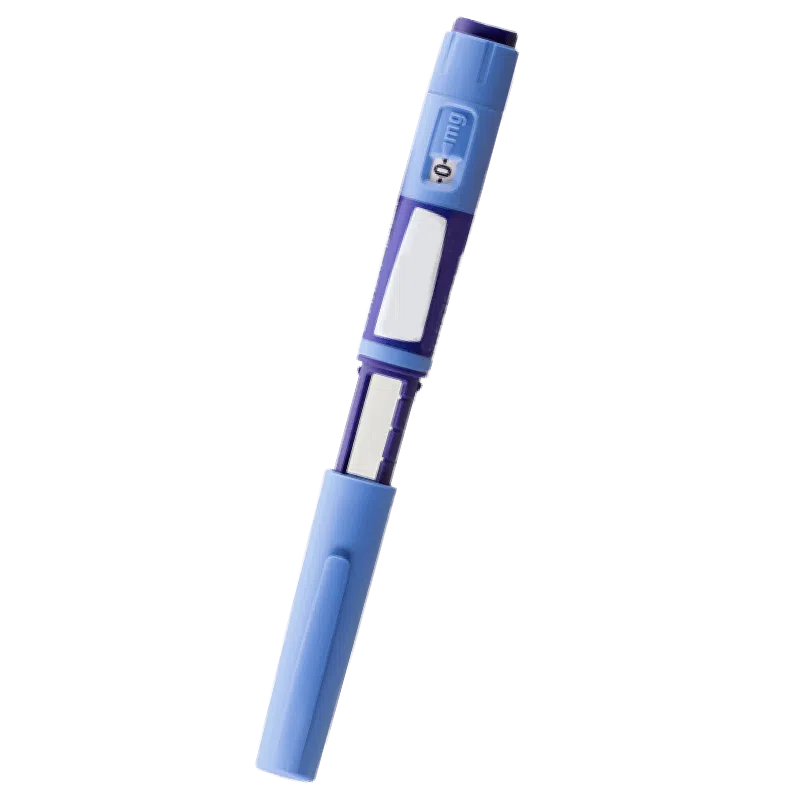
Weight loss injections (WLIs) are great at helping you lose weight, but some people find that their weight creeps up again after they stop using them. Research seems to show that after weight loss injections are stopped, there's a risk of regaining up to two-thirds of the weight lost.

Joseph Palumbo
Medically reviewed by
Joseph Palumbo, Senior Medical Adviser
Go to
Medically reviewed by
Dr. Joseph Palumbo
Senior Medical Adviser
on Jul 10, 2025.
Meet Joseph  
Joseph

Last updated on Oct 17, 2025.

Was this article useful?

WLIs work by making you feel more full after eating less food. So once you stop using them, your hunger levels will start to return to what they were previously. People who have established new routines and made sustainable lifestyle changes while using WLIs often maintain their lower weight without continuing WLIs. But remaining on a maintenance dose can help you sustain your weight loss and improve your overall health.

Summary:
  • Research shows weight regain is common after stopping GLP-1s.
  • Staying on a maintenance dose can help you sustain and preserve the health benefits of a healthy weight and help prevent regaining weight.
  • Combining injections with exercise can help sustain weight loss even after stopping treatment.
  • Using WLIs long-term can help maintain weight and improve heart health.

How do weight loss injections sustain weight loss?

WLIs like Wegovy, Mounjaro, and Zepbound belong to a group of drugs called GLP-1 receptor agonists. These drugs work by targeting the area of the brain that regulates hunger and appetite.

After eating, GLP-1 tells your brain that you’re full and satisfied so you don’t overeat. It also slows stomach emptying, which keeps you feeling fuller for longer, and reduces cravings, so you won’t be as tempted to eat when you’re not hungry.

Without WLIs, your appetite will no longer be regulated in the same way, which can lead to weight regain. By remaining on a low dose of GLP-1, you should have a better chance of maintaining your weight loss long term.

Dr Daniel Atkinson:

“Not everyone will need to continue using weight loss injections but, for those who do, current research indicates that they can be used safely for many years and can have protective effects on the heart for people who have had a heart attack.”

Furthermore, WLIs can help reduce visceral and subcutaneous fat. Visceral fat is the type of fat located deep within the body, surrounding your vital organs. Too much of it can lead to serious health consequences, so reducing it significantly improves health outcomes. Subcutaneous fat is located just under your skin, and while it isn’t as dangerous, having too much of it is still bad for your health.

What biological factors can affect weight gain?

Certain biological factors can affect how much weight you gain or lose, such as:

Metabolism

Metabolism is the process of converting food into energy. A faster metabolism means you’ll burn calories quicker and will be less likely to gain weight.

Your metabolism is affected by your genes and environment. Some people are simply born with a faster metabolism. For example, males tend to have a faster metabolic rate than females because they have more lean muscle mass than women.

Other factors that can affect your metabolism include:

  • Age – As you get older, your metabolism naturally slows.
  • Protein intake – A high-protein diet can boost your metabolic rate. It also enhances your body composition by reducing fat and increasing lean muscle mass.
  • Physical activity – Exercise increases your metabolic rate by burning calories.
  • Muscle mass – Lean muscle uses more energy than fat, so the more muscle mass you have, the faster your metabolism.

Hormones

Hormonal dysregulation can contribute to weight gain. Some hormones that may affect your weight include:

Leptin

Leptin regulates your body weight by sending signals to your brain when you’re full and satisfied, which helps prevent overeating. Studies have found that leptin resistance can significantly increase the risk of obesity.

Insulin

Insulin regulates your blood sugar levels. When you have insulin resistance, less sugar is broken down and more is stored as body fat. This increases your risk of obesity.

Cortisol

Cortisol plays an important role in regulating your metabolism, blood sugar levels and stress. High cortisol levels are associated with obesity.

How do weight loss injections counter these effects?

GLP-1 treatments can improve insulin sensitivity, which reduces fat storage and diabetes risk. Studies also show that Semaglutide can improve leptin sensitivity, which in turn regulates appetite and promotes weight loss. When combined with lifestyle changes, such as exercising regularly and increasing protein intake, WLIs can help boost metabolism.

What do the studies say about using a GLP-1 to sustain weight loss?

Regardless of the treatment you use, you’ll regain some of the weight you lost if you don’t maintain your habits.

This was shown in a study where participants who lost, on average, 17.3% of their starting weight after using semaglutide regained up to two-thirds of the weight after stopping. The health improvements also diminished as they gained back the weight.

Similar results were found with Liraglutide. Although weight loss was maintained for up to three years post-treatment, participants gradually regained some of the lost weight.

Additionally, the amount of weight regained tends to match the amount that’s lost. So the more weight you lose, the higher the chance of regaining it.

In contrast, participants who continued using WLIs as maintenance either continued to see results or sustained them.

One possible way to prevent weight gain is to exercise more when you start treatment. People who had combined Liraglutide with supervised exercise were able to maintain at least 10% of their original body weight one year after stopping treatment. The sustained weight loss could be a result of the exercise habit developed while on treatment.

Will weight loss injections stop being effective?

There’s no specific cutoff date when WLIs stop being effective. The longest documented benefit is four years, but it’s likely that they could be effective for an even longer period, as WLIs are still relatively new, and long-term research is limited. The active ingredient in Wegovy (semaglutide) has been used safely for much longer for people with type 2 diabetes.

Continuing to use them can help maintain weight loss and improve cardiometabolic health, although the weight loss progress might plateau over time.

Additionally, once you reach your goal weight, your clinician may recommend reducing your dose to guard against you losing too much weight. This will slow down your weight loss, but that shouldn’t be a problem since your new goal is to maintain the weight you’ve lost, not lose more weight.

Secondary benefits of maintaining weight loss injections

Losing weight can result in health benefits like better blood sugar control, reduced risk of high blood pressure, stroke, and high cholesterol. These aren’t the only benefits, most people who lose weight say that they have more energy, sleep better, greater confidence, and improved mental health. But these health benefits might reverse once you regain weight.

Remaining on a maintenance dose can help you keep these benefits. This was demonstrated in a study where people who maintained their weight loss continued seeing improvements in their overall health.

Habits gained from a GLP-1

You’ve likely made healthy lifestyle changes while on a GLP-1 treatment, such as going on a calorie deficit, ensuring protein is a higher proportion of your diet, and exercising regularly.

If you’ve maintained this lifestyle for a long time, it may have become part of your daily routine. So even after stopping treatment you can still benefit from these habits.

You might have also improved your habits and relationship with food, such as eating more mindfully. Some studies have shown how GLP-1 reduces binge eating in people with binge eating disorder.

When is the right time to stop taking a GLP-1?

There’s no fixed timeline when it comes to GLP-1 treatments, so the right time to stop taking them depends on your individual needs.

Generally, if you feel satisfied with your weight loss results and confident that you can maintain them without treatment, you might consider stopping treatment. If you choose to stop, discuss this with your clinician; they’ll probably suggest that you gradually reduce your dose to prevent the risk of side effects. Reducing gradually increases the chances of maintaining diet and lifestyle changes you’ve established while using WLIs.

If you’re happy with your results but worried you’ll regain the weight you lost, switching to an alternative weight loss medication like Mysimba might be beneficial for you. This was found to be effective in a study, where people who switched to generic anti-obesity medication after WLIs were able to sustain their results for up to 24 months. It’s also more cost-effective than staying on the maintenance dose of WLIs.

What weight loss injection is right for me?

We can’t say which weight loss treatment will work best for you, as it differs for each individual. You’ll have to meet certain BMI and health requirements to start your weight loss journey with GLP-1 treatments.

Once you reach a healthy weight, you can continue taking them to maintain your weight loss, but you can’t start GLP-1 to stay at your weight if you’re already in a healthy weight category.

Reference Popover #ref1
Reference Popover #ref2
Reference Popover #ref3
Reference Popover #ref4
Reference Popover #ref5
Reference Popover #ref6
Reference Popover #ref7
Reference Popover #ref8
Reference Popover #ref9
Reference Popover #ref10
Reference Popover #ref11
Reference Popover #ref12
Reference Popover #ref13
Reference Popover #ref14
Reference Popover #ref15
Reference Popover #ref16

Sourcing guidelines:

When we present you with stats, data, opinion or a consensus, we’ll tell you where this came from. And we’ll only present data as clinically reliable if it’s come from a reputable source, such as a state or government-funded health body, a peer-reviewed medical journal, or a recognised analytics or data body. Read more in our editorial policy.

Tell us what you want to hear.

Have a subject you’d like us to cover in a future article? Let us know.

Give us the inbox treatment.

We're making healthcare more about you. Sign up to our newsletter for personalized health articles that make a difference.

Disclaimer: The information provided on this page is not a substitute for professional medical advice, diagnosis, or treatment. If you have any questions or concerns about your health, please talk to a doctor.

Suggest a health guide

Tell us your idea here.

(And leave your email too, so we can let you know if we write an article based on your suggestion.)