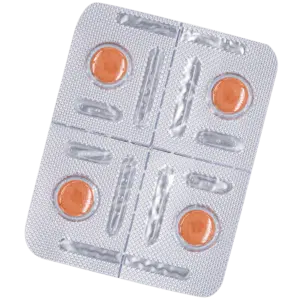
Hypertension is a health condition in which the force of blood against the walls of your arteries is too high. This can damage your arteries and increase the risk of heart, kidney, and other health problems.
Blood flows from the heart to different parts of the body through blood vessels. With every heartbeat, the heart pumps blood into the vessels. Blood pressure is determined by the amount of blood flowing through your blood vessels and the resistance the blood faces when the heart is pumping it into the blood vessels. The higher the blood pressure, the harder the heart has to work to pump blood.
The chances of getting hypertension increase with age. You will also be at higher risk of having high blood pressure if you have an unhealthy lifestyle, such as being overweight, not getting enough exercise, having an unhealthy diet, smoking, or drinking frequently.
Some ethnic groups have an increased risk of hypertension, including African or Black Caribbean descent, and South Asians.
High blood pressure is very common. Around 1.28 billion people in the world’s adult population are thought to have hypertension.
In another study, it was found that the number of people with hypertension in high-income countries is decreasing, but in low and middle-income countries, the number is increasing quite rapidly. Worldwide, it’s thought to be the leading cause of early mortality.
How we source info.
When we present you with stats, data, opinion or a consensus, we’ll tell you where this came from. And we’ll only present data as clinically reliable if it’s come from a reputable source, such as a state or government-funded health body, a peer-reviewed medical journal, or a recognised analytics or data body. Read more in our editorial policy.
Hypertension is caused by many factors such as stress, unhealthy diet, unhealthy lifestyle, smoking, drinking too much alcohol, or lack of physical activity.
Besides these factors, some chronic medical conditions like diabetes, obesity, kidney problems, and high cholesterol may also cause high blood pressure.
You might also be at risk of having hypertension if any of your family has it.
High blood pressure is sometimes referred to as a ‘silent killer’ because it often shows no noticeable symptoms, but does serious damage to the heart. It also increases the risk of damage to your kidneys or blood vessels without prior warning.
Although it's rare to get symptoms due to high blood pressure, these may include:
If you experience any of these, it might be a warning sign of high blood pressure. But because they’re nonspecific symptoms, they could be caused by several other factors too.
The only way to know for sure if you have high blood pressure is to get your blood pressure checked. If you haven’t been diagnosed with high blood pressure but you’re over the age of 40, it’s recommended to check it at least once a year.
Hypertension is an illness that can cause serious health problems if left uncontrolled or untreated. It can trigger complications like: heart attack, heart palpitations, heart failure, stroke, loss of vision, dementia, and kidney damage. Metabolic syndromes and even memory loss can occur due to high blood pressure.
How we source info.
When we present you with stats, data, opinion or a consensus, we’ll tell you where this came from. And we’ll only present data as clinically reliable if it’s come from a reputable source, such as a state or government-funded health body, a peer-reviewed medical journal, or a recognised analytics or data body. Read more in our editorial policy.
You’ll only get hypertension medication if your blood pressure is really high, or if you’re at risk of developing further issues.
You’ll usually be advised to make healthy lifestyle changes first, such as eating less salt, stopping smoking, drinking less caffeine, cutting down alcohol and exercising more. If you are prescribed a medicine to help lower your blood pressure, you’ll still need to do these things to keep your blood pressure at a healthy level.
There are five main types of treatments prescribed for hypertension.
Diuretics help your kidneys remove the extra fluid and salt from your body through urine.
By removing excess water from your blood, the volume of blood decreases, so less force is needed to move the blood, resulting in lower blood pressure.
These medicines make the heart beat slower to lower blood pressure. They block the effects of hormones adrenaline and noradrenaline in the body, which often cause heart palpitations, stress, high blood pressure, and excessive sweating.
It also helps widen blood vessels, allowing blood to flow more easily.
Calcium channel blockers relax your blood vessels, helping to widen them. This reduces the force needed to push blood around your body, which helps lower blood pressure.
Commonly known as ACE inhibitors, they help enlarge or dilate the blood vessels so blood can pass through more easily, which helps reduce blood pressure.
Known as ARBs, these drugs work as angiotensin-converting enzyme inhibitors (ACE inhibitors). They relax the blood vessels to lower blood pressure.
The ‘best’ treatment for hypertension will largely depend on how high your blood pressure is and your personal health needs. If your blood pressure is not excessively high, then the best treatment will be to exercise more and eat healthier.
If you need treatment, then this can be a very individual thing – some people can control their blood pressure with just one medication along with lifestyle changes, while others may need a combination of treatments.
You’ll normally have your blood pressure monitored regularly if you’re on treatment, so a clinician can suggest tweaks if needed.
So really, the best treatment is the one that’s most effective for you.
What you’re recommended can depend on several factors, such as your age, medical history, and preference. For example, if you're under 55, you'll usually be offered an ACE inhibitor or an angiotensin-2 receptor blocker (ARB).
No, hypertension doesn’t always need treatment. Sometimes, a few lifestyle changes can help to keep it under control. Regular exercise, maintaining a healthy weight, having a healthy diet, reducing stress, and avoiding smoking and alcohol can all lower high blood pressure.
Hypertension is a dangerous health condition and often shows no symptoms. So it’s always a good idea to get your blood pressure checked regularly. Consulting a clinician and taking advice is recommended. They can examine your medical history and, if lifestyle changes alone haven’t worked for you, suggest the right treatment.
How we source info.
When we present you with stats, data, opinion or a consensus, we’ll tell you where this came from. And we’ll only present data as clinically reliable if it’s come from a reputable source, such as a state or government-funded health body, a peer-reviewed medical journal, or a recognised analytics or data body. Read more in our editorial policy.
Have something specific you want to know? Search our info below, or ask our experts a question if you can’t find what you’re looking for.
Last updated on Aug 21, 2025.
Global Disparities of Hypertension Prevalence and Control. Circulation, [online] 134(6), pp.441–450.
Angiotensin-Converting Enzyme Inhibitors in Hypertension: To Use or Not to Use? Journal of the American College of Cardiology, [online] 71(13), pp.1474–1482.
Comparative efficacy of exercise and anti-hypertensive pharmacological interventions in reducing blood pressure in people with hypertension: A network meta-analysis. European Journal of Preventive Cardiology, 27(3), pp.247–255.
Blood pressure lowering effect of calcium channel blockers on perioperative hypertension. Medicine, 97(48), p.e13152.
Beta-blockers and the treatment of hypertension: it is time to move on. Cardiovascular Journal of Africa, 18(6), p.351.
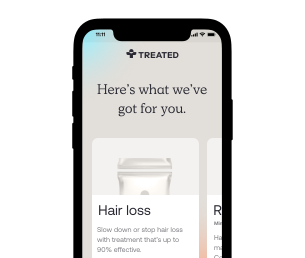
Hypertension: Here's what we've got.
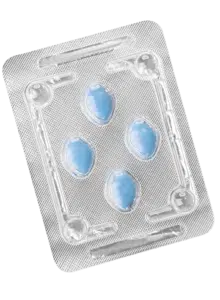
Effectively lowers blood pressure within two hours. Branded version of Diovan.
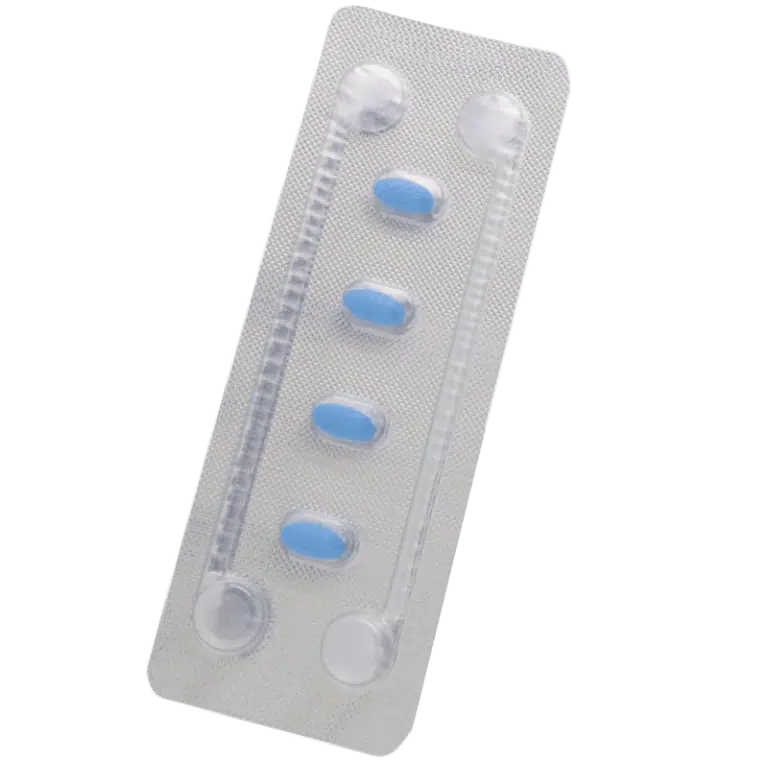
Can lower blood pressure within two hours. Branded version of Candesartan.
Widens your blood vessels to make it easier for your heart to pump blood around your body.
Registered with NPI (No. 1043478878)
Meet Joseph
Registered with GMC (No. 4624794)
Meet DanielAlways read the leaflet that comes with your medication and tell us about any side effects you get.
We know health, but you know you.
Our experts tell you what’s safe, but you decide what’s best.
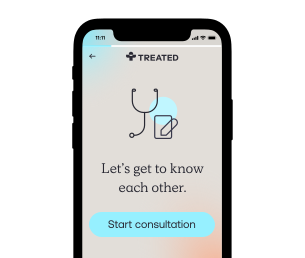
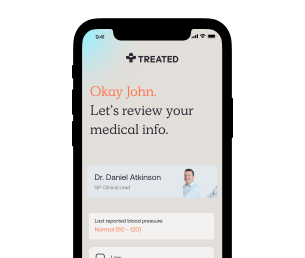
Answer a few questions and tell us about yourself. Get tailored advice from our clinicians so you can choose better.
Choose your treatment and how often you have it delivered.
We know things change. It’s the nature of life. We’ll check in regularly to make sure your treatment is still right for you.
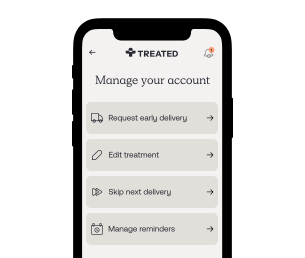
Pause. Change. Skip. Start again. Any time you like.
Here are some other things we can help with.
Stop smoking treatments that can help you kick the habit forever, and reduce your risk of disease.
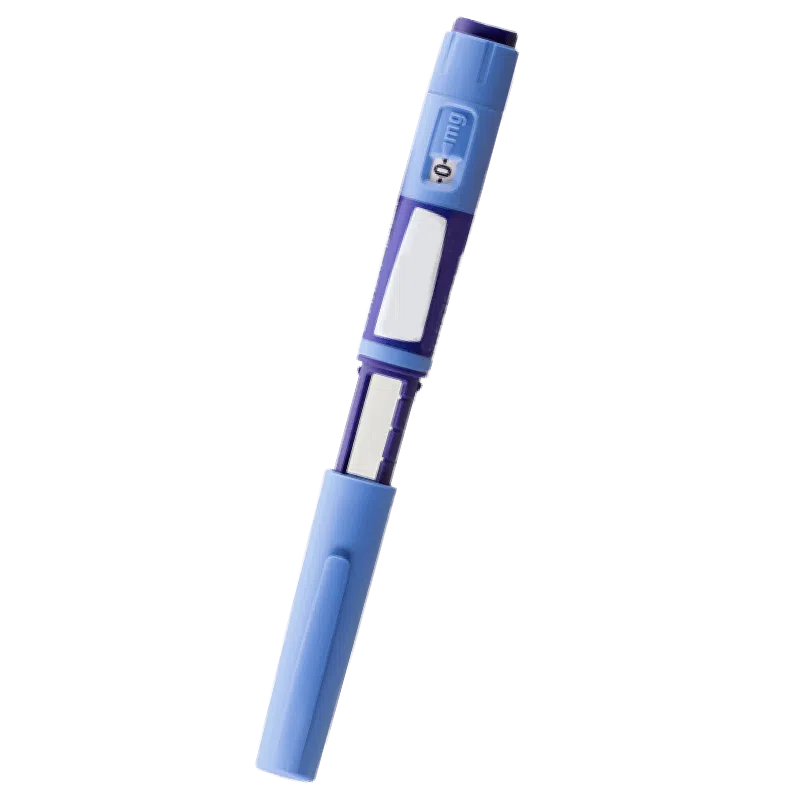
Tablets or injections. Tailored weight loss treatments combined with ongoing support from our experts.
We're making healthcare more about you. Sign up to our newsletter for personalised health articles that make a difference.
Disclaimer: The information provided on this page is not a substitute for professional medical advice, diagnosis, or treatment. If you have any questions or concerns about your health, please talk to a doctor.
Authorised and Regulated by:
We couldn't find what you're looking for.
Here's everything we treat. Or, if you're looking for something we don't have yet, you can suggest something.
Last updated on Aug 21, 2025.
Aug 21, 2025
Published by: The Treated Content Team. Medically reviewed by: Dr Alexandra Cristina Cowell, Writer & Clinical Content ReviewerHow we source info.
When we present you with stats, data, opinion or a consensus, we’ll tell you where this came from. And we’ll only present data as clinically reliable if it’s come from a reputable source, such as a state or government-funded health body, a peer-reviewed medical journal, or a recognised analytics or data body. Read more in our editorial policy.