
What are Zepbound sulfur burps?
Answer:
Zepbound can cause excessive gas and burping for some people. Burping is listed as a common side effect in the patient package insert (PPI), along with other gastrointestinal effects including acid reflux and indigestion.
Although they’re not specifically listed in the PPI, the injections have been known to cause ‘sulfur burps’ for some people. These are burps with a distinct, unpleasant smell.
If you get sulfur burps, there are some things to try that might ease them. Make a note of any food and drinks that make your burping worse and try to avoid them. Some foods, like legumes and dairy products, are rich in sulfur, which could potentially make you more prone to this side effect.
Avoiding fizzy drinks might also help. To relieve burping, try eating and drinking more slowly, as chewing for longer can help break the food down better and help digestion. Antacids, which neutralize stomach acid, might also help.
Does Zepbound cause hair loss?
Answer:
Hair loss ‘observed in patients treated for weight loss’ is listed as a common Zepbound side effect. In one study that looked at patients using tirzepatide, hair loss was reported by 7.1% of the women and 0.5% of the men. This was higher than the placebo group, where only 1.3% of women and 0% of men reported hair loss.
Losing weight, especially if it’s a significant amount in a short space of time, is known to contribute to hair loss. Like stress, certain illnesses, and iron deficiency, these changes are usually temporary.
More research is needed to find out exactly why weight loss can sometimes impact hair growth, but it’s thought that nutritional deficiencies and hormonal imbalances might play a part.
As with other side effects, not everyone who uses Zepbound will experience hair loss. While hair loss is listed as a possible side effect, tirzepatide has also been shown to promote hair growth.
Is reflux a side effect of Zepbound?
Answer:
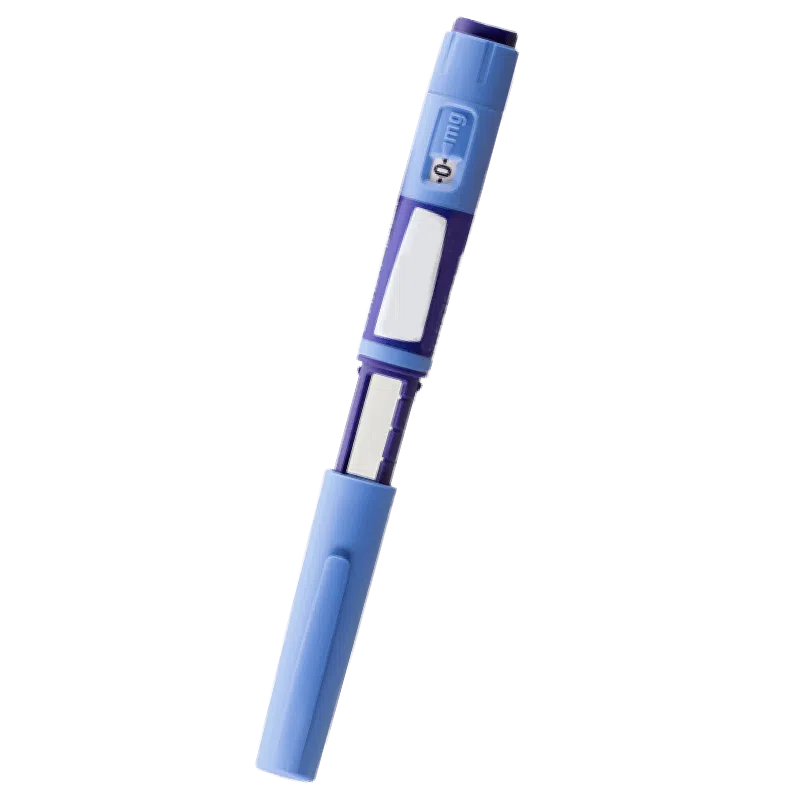
Reflux is another common Zepbound side effect, and can develop for up to one in ten people using the pens. Like nausea and a decreased appetite, it’s a gastrointestinal effect that can be unpleasant and uncomfortable. Because tirzepatide slows down digestion, excess acid can build up and lead to reflux, which can cause heartburn and create an unpleasant taste in your mouth.
Any acid reflux you experience while using the pens should settle as your body adjusts to the medication, but like other side effects, might return when you change doses.
If you get reflux often, there are some things that can help. Eating small, frequent meals rather than large ones might help to reduce stomach acid. Wearing clothes that fit loosely around your waist might also help.
As with other side effects, like burping, identifying foods that make your reflux worse will mean you know what to avoid. Alcohol is known to make acid reflux and GERD (Gastro-esophageal reflux disease) symptoms worse, so it might be helpful to reduce your intake while using Zepbound.
What happens if you overeat on Zepbound?
Answer:
Overeating while using Zepbound might make any side effects you get worse.
Because Zepbound slows down digestion, it can help you feel fuller. This means urges to snack or overeat during meals should be reduced. As well as counteracting your weight loss efforts, overeating can induce Zepbound’s gastrointestinal side effects, such as bloating or cramping. If you feel the urge to overeat while using the pens, it could be that you need to switch doses.
Does Zepbound make you feel tired?
Answer:
Fatigue is included in the list of common Zepbound side effects, so there is a chance you might feel tired when you start using the pens.
But tiredness might occur during a weight loss plan for various reasons. You might feel like eating fewer calories impacts your energy levels, as you adjust to consuming less than you normally would.
What you eat can also affect your energy. The injections will make you want to eat less, but you’ll still need to maintain a varied diet to meet all your nutrition needs. A lack of protein, for example, could lead to muscle loss, which in turn could cause tiredness.
Does Zepbound make you thirsty?
Answer:
Excessive thirst isn’t listed as a side effect in Zepbound’s patient information leaflet. If you often feel thirsty while using the pens, it could be a sign that you’re dehydrated. Because Zepbound makes you feel fuller, eating less might mean your fluid intake is also affected.
Staying hydrated while using Zepbound can help improve your digestion, and should mean you feel less thirsty throughout the day. If the medication reduces urges to eat and drink, it might be helpful to set yourself reminders to drink throughout the day. You could also set a daily drink target to help you stay properly hydrated.
You might also feel thirsty if Zepbound has caused diarrhea or vomiting, as your body will want to replenish any fluids you’ve lost. It might be helpful in this case to use a rehydration sachet, to also replace lost electrolytes and body salts.
How long do Zepbound side effects last?
Answer:
Zepbound will affect each person differently. If you get side effects while using it, they should ease off as you adjust to the medication. This might be in a matter of days, but for some people, things might take a bit longer to settle.
Any side effects you do experience might start up again when you change pens, which you’ll usually do every four weeks. If you feel like the side effects you experience are persistent, it might be that the increased dose doesn’t suit you. In this case, you might be able to remain on a dose you’re comfortable with that causes the least amount of side effects, if you’re happy with how that dose is working for you.
Are there any long term effects from using Zepbound?
Answer:
You shouldn’t get Zepbound side effects long-term. The gastrointestinal effects Zepbound can cause, such as diarrhea and vomiting, could put your health at risk if these effects don’t settle.
Both of these side effects can cause dehydration, which can impact kidney function if it isn’t treated and becomes severe. But if any side effects persist throughout your treatment and remain uncomfortable, you should speak to your physician about them.
Zepbound is only available as a weight loss treatment if your BMI is over 30, or if it’s over 27 and you have a weight-related condition, like pre-diabetes. If you have any long-term health conditions that regular Zepbound use might impact, a doctor will consider any long-term risks before it’s prescribed to you.