Pain in your back or joints is really common, and most people will deal with it at some point in their lives. But if you’re struggling with persistent, recurring pain, medication could be an option to help relieve your symptoms.

Last updated on Nov 14, 2025.

You’ll typically be prescribed pain relievers to help reduce pain caused by back or joint issues. While these should help ease your symptoms, they won’t help to improve any underlying issues that could be responsible. If you’re living with overweight or obesity and dealing with joint or back pain, the two could be related. Losing just a few pounds could help relieve some of the pressure on your joints and back, and help to reduce pain in the long-term. And this is where weight loss injections could help.
There are a few different reasons we think weight and back or joint pain are connected. Studies have shown that living with overweight or obesity can be linked to lower back pain and degenerative disk conditions , as well as higher rates of osteoarthritis affecting joints in the knee and hands. This could be because of additional strain on your joints and back (as they have to support more weight) , or because of changes in posture caused by carrying fat around the midsection.
Or, it could be linked to inflammation. You might think of inflammation as a symptom of joint or back pain rather than the cause – but obesity can increase several inflammatory markers throughout your body, and result in chronic low-grade inflammation. Research shows that chronic low-grade inflammation has a key role in the development of osteoarthritis, which means prolonged low-grade inflammation from overweight or obesity could increase your risk of developing joint pain.
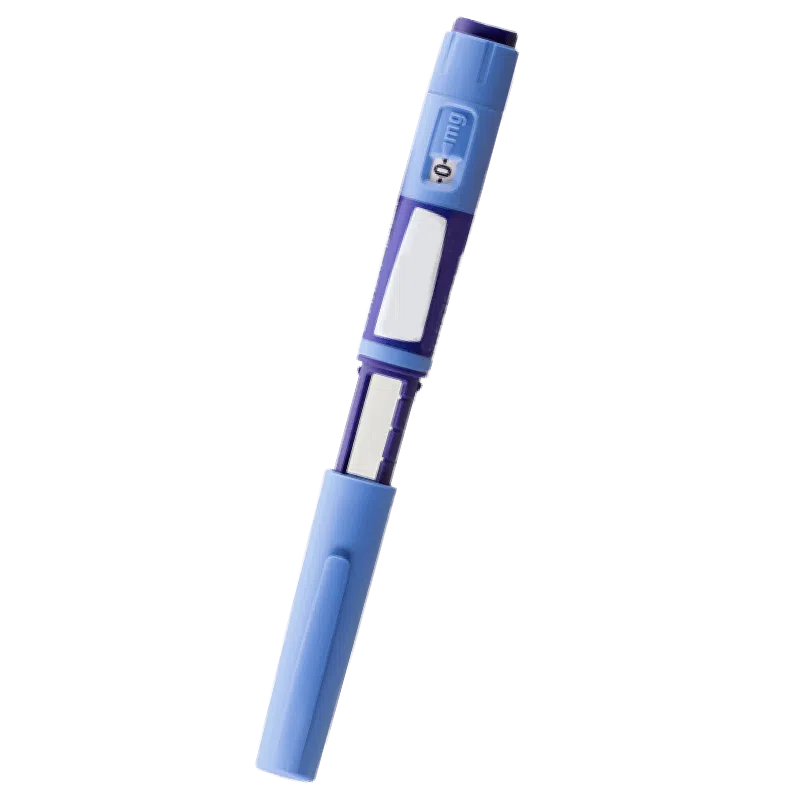
Weight loss injections (like Wegovy and Zepbound) can help you to lose weight when used alongside a healthy diet and regular exercise. Wegovy contains the active ingredient semaglutide, which is a type of medication known as a GLP-1 receptor agonist. Zepbound uses a similar (but slightly different) active ingredient called tirzepatide, which works as a GIP receptor agonist as well as a GLP-1 receptor agonist.
This means the two injections work in really similar ways. The GLP-1 receptor agonist in both medications mimics the natural GLP-1 hormone your body produces after you eat. This hormone tells your body to release insulin when your blood sugar levels are high, and slows down how quickly food passes through your stomach after eating. It also affects signals in your brain to suppress your appetite, increase how satisfied you feel after eating, and reduce food cravings in between meals. This should help you to build healthier eating habits and lower your overall calorie intake to help you lose weight.
Zepbound also works as a GIP receptor agonist alongside a GLP-1 receptor agonist. GIP receptor agonists are thought to help with weight loss by increasing feelings of satiety, to help you eat less. This combination of a GLP-1 and GIP receptor agonists has been shown to be more effective for weight loss than GLP-1 receptor agonists alone – which makes Zepbound a more effective weight loss treatment than Wegovy. One study comparing semaglutide to tirzepatide for weight loss in people with type 2 diabetes found that, on average, tirzepatide helped people lose 17.8% of their body weight, compared with 12.4% for semaglutide.
But will losing weight with weight loss injections actually help reduce back and joint pain? When it comes to joint pain, the scientific evidence is really positive. One study found that, for women of average height, every 11 lbs of weight lost reduced the risk of developing knee osteoarthritis by more than half. The study also found that if men with obesity lost enough weight to move to overweight, and men in the overweight category lost enough weight that they were no longer living with overweight, the risk of knee osteoarthritis would decrease by around 21.5%.
There’s less evidence that losing weight will help with back pain when compared with joint pain, however. It’s thought that losing weight with diet and exercise could take pressure off your vertebrae, strengthen your core and back muscles to help support your spine, and improve your mobility to help with your quality of life. But the available evidence is currently very limited.
A review of relevant research identified eleven studies looking into the relationship between weight loss and back pain, only one of which was a randomized controlled trial. In this trial, 160 people were randomly assigned to either a 6-month telephone-based healthy lifestyle coaching service or a waiting list for 26 weeks. The study found that this lifestyle intervention did not help improve pain or quality of life in people with lower back pain and overweight or obesity. More high quality studies are needed to determine whether or not weight loss could improve pain and quality of life in people living with chronic back pain.
Joint and back pain can have an impact on every part of your life, from your overall health, to your work and social life, and your sleep. A case-control study explored the impact of lower back pain on sleep quality and quality of life using the Dallas Pain Questionnaire. Individuals were split into two groups: 101 people with chronic lower back pain, and 97 control subjects. The study found that, when compared with a healthy control group, those in the group with chronic lower back pain had significantly altered sleep in proportion to the severity of their pain. This study did not identify whether back pain was the cause of sleep disturbances, or if sleep disturbances caused back pain – but it identified a clear link between the two.
There’s also some evidence to suggest a link between joint pain and sleep apnea. Sleep apnea is a disorder that causes your breathing to slow down or stop while you’re sleeping. This can disrupt your sleep and lead to serious health conditions like high blood pressure and heart disease. A study comparing the number of cases of obstructive sleep apnea (OSA) between two groups, one with rheumatoid arthritis and one without, found that the incidence rate of OSA was 75% higher in the arthritis group. Another major contributing factor to OSA is obesity. So if you’re struggling to sleep because of joint pain and are living with overweight or obesity, losing a little weight could hit two birds with one stone.
Difficulty sleeping from joint or back pain (whether directly, or because of a related condition) can also affect your mental health. Lack of sleep has been linked with depression, and trouble with controlling emotions.
It’s really common for people who are living with joint or back pain to struggle with their mental health. Research shows that people living with back or neck pain are more likely to be living with mental health disorders like depression or anxiety than those without.
Living with daily pain is stressful, and it can have a huge impact on your ability to go about your day-to-day life. It can affect your social life, work, sleep – and even the levels of chemicals in your brain and nervous system. These chemicals include cortisol, serotonin, and norepinephrine, which can all affect how you feel, think, and how you behave. Altering the levels of these chemicals in your body can contribute to mental health difficulties like depression.
And living with mental health disorders can make pain worse, too. It can lower your pain threshold, and make it more difficult for you to deal with pain. Studies show that the highest pain levels reported by people with arthritis are most likely to come from people living with anxiety or depression.
Losing weight with weight loss treatment could help target the mental factors contributing to back and joint pain, as well as the physical. By taking pressure and strain off your joints and back to relieve pain, losing weight can help improve your overall quality of life – which may help with your mental health. This is especially true if your weight contributes to any mental health difficulties you may experience. And by helping with your mental health, losing weight could reduce joint and back pain even more – and help you deal with any pain more effectively.
If you’re living with joint or back pain, you might find yourself having to miss work because of your symptoms – or pay for physical therapy to help relieve them. Having to miss work and the additional expense of physical therapy can cause a financial burden – and this could affect your mental health, too.
If you find yourself missing work because of back or joint pain, or you’re regularly paying for physical therapy – there’s a chance weight loss injections could help you save a little money. They can seem expensive at first glance, but using weight loss injections can often work out cheaper than you might think. Losing a little weight could help improve your pain and quality of life to the point where you don’t have to miss work as often, or see a physical therapist as regularly. This could help relieve the financial burden of back and joint pain, even after the cost of weight loss treatment.
If you find yourself ordering a lot of takeout or eating out regularly, weight loss injections could help you save some money there, too. Buying takeout a few times can easily add up to the cost of Wegovy or cost of Zepbound over the course of a month. By reducing cravings and helping you to feel more satisfied after eating, these weight loss treatments can help you order food less, and focus on cooking healthier meals at home.
If you’re living with obese or overweight, weight loss injections are a safe and effective way to help shed some pounds – alongside eating a balanced, nutritious diet and regular exercise. It’s completely understandable to be worried about starting an injectable treatment – especially if you haven’t used a pen to inject yourself before. But when a healthcare provider prescribes you weight loss medication, they’ll walk you through how to use your pen safely, step-by-step.
And if you’re taking pain relievers for back and joint pain, or antidepressants for your mental health, don’t worry. Weight loss injections are typically safe to use with these medications, and your healthcare provider will make sure any treatment you use is right for you.
Research suggests that semaglutide, the active ingredient in Wegovy, is similarly effective for people on antidepressants as those who aren’t. In fact, in semaglutide trials, people on antidepressants lost more weight than those who were not. Because weight gain can be linked to mental health disorders and antidepressant use, this could mean that Wegovy is a good option if you’re struggling with your mental health and you’re living with overweight or obesity. Gastrointestinal (digestive) side effects were more common in the group taking antidepressants, with between 97.6% to 100% of people across four clinical trials reporting side effects (compared to 86.7% to 95.3% in the group who weren’t). But a similar trend was noticed in the placebo group, so more research is needed to determine how well tolerated Wegovy is when used alongside antidepressants.
Weight loss injections are safe to take alongside over-the-counter pain relievers, like acetaminophen. In fact, because headaches are a common side effect of weight loss injections, they could help address your side effects as well as any joint or back pain. If you’re taking prescription medication to help manage your pain, speak to your healthcare provider before starting weight loss injections – they’ll be able to advise you on whether it’s safe and effective to take both medications together.
The best way to find the weight loss injection that’s right for you is to speak to your healthcare provider. Zepbound is the most effective weight loss injection on the market right now, with clinical trials indicating that people using Zepbound were much more likely to achieve weight loss than those on Wegovy. People using Zepbound also lost more weight over three months than those using Wegovy, while gastrointestinal side effects were similar between the two groups.
But everyone reacts to medication differently, and you may find that Wegovy works better for you, or comes with less side effects than Zepbound. Some people may start with one weight loss injection, and then move to a different one depending on side effects and the effectiveness of the treatment. If you’re interested in starting weight loss treatment but you have any concerns, our team of expert healthcare professionals can help.
And if you start treatment, but it doesn’t work as you expected (or you aren’t happy with the side effects) it’s really easy to switch treatments. Our clinical team is always available to answer any questions or concerns you might have, so just log into your account and drop us a message.
Associations between Obesity and Spinal Diseases: A Medical Expenditure Panel Study Analysis. International Journal of Environmental Research and Public Health. 14(2). p. 183.
The association of obesity with osteoarthritis of the hand and knee in women: a twin study. The Journal of Rheumatology. 23(7). pp. 1221-1226.
Why weight matters when it comes to joint pain. Harvard Health Publishing. December 11.
Can Obesity Cause Back Pain? Healthline. May 25.
Obesity: A Chronic Low-Grade Inflammation and Its Markers. Cureus. 14(2).
Low-Grade Inflammation in the Pathogenesis of Osteoarthritis: Cellular and Molecular Mechanisms and Strategies for Future Therapeutic Intervention. Biomedicines. 10(5). p. 1109.
Weight Loss and Maintenance Related to the Mechanism of Action of Glucagon-Like Peptide 1 Receptor Agonists. Springer. 38(6). pp. 2821-2839.
Effect of dual glucose-dependent insulinotropic peptide/glucagon-like peptide-1 receptor agonist on weight loss in subjects with obesity. Frontiers in Endocrinology. 14.
The Role of GIP Receptor in the CNS for the Pathogenesis of Obesity. Diabetes Symposium 2021.
Tirzepatide versus semaglutide for weight loss in patients with type 2 diabetes mellitus: A value for money analysis. Diabetes, Obesity and Metabolism. 25(4). pp. 961-964.
Risk factors for incident radiographic knee osteoarthritis in the elderly: the Framingham Study. Arthritis and Rheumatology. 40(4). pp. 728-733.
The effectiveness of weight loss programs for low back pain: a systematic review. BMC Musculoskeletal Disorders. 23. p. 488.
The Association between Sleep and Chronic Spinal Pain: A Systematic Review from the Last Decade. Journal of Clinical Medicine. 10(17). p. 3836.
Quality of sleep in patients with chronic low back pain: a case-control study. European Spine Journal. 17(6). pp. 839-844.
Obstructive Sleep Apnea and Cardiovascular Disease: Role of the Metabolic Syndrome and Its Components. Journal of Clinical Sleep Medicine. 4(3). pp. 261-272.
Risk of obstructive sleep apnoea in patients with rheumatoid arthritis: a nationwide population-based retrospective cohort study. BMJ Open. 6(11).
Obstructive Sleep Apnea and Obesity: Implications for Public Health. Sleep Medicine and Disorders. 1(4).
How Sleep Affects Your Health.
Mental disorders among persons with chronic back or neck pain: results from the World Mental Health Surveys. Pain. 129(3). pp. 332-342.
Semaglutide's Weight-Loss Benefit Also Seen in Patients on Antidepressants. Medpage Today. October 16.
Semaglutide vs Tirzepatide for Weight Loss in Adults With Overweight or Obesity. Jama Internal Medicine. 184(9). pp. 1056-1064.
Sourcing guidelines:
When we present you with stats, data, opinion or a consensus, we’ll tell you where this came from. And we’ll only present data as clinically reliable if it’s come from a reputable source, such as a state or government-funded health body, a peer-reviewed medical journal, or a recognised analytics or data body. Read more in our editorial policy.
Have a subject you’d like us to cover in a future article? Let us know.
We're making healthcare more about you. Sign up to our newsletter for personalized health articles that make a difference.
Disclaimer: The information provided on this page is not a substitute for professional medical advice, diagnosis, or treatment. If you have any questions or concerns about your health, please talk to a doctor.
Authorised and Regulated by:
We couldn't find what you're looking for.
Here's everything we treat. Or, if you're looking for something we don't have yet, you can suggest something.
(And leave your email too, so we can let you know if we write an article based on your suggestion.)
Last updated on Nov 14, 2025.

Our experts continually monitor new findings in health and medicine, and we update our articles when new info becomes available.
Nov 14, 2025
Published by: The Treated Content Team. Medically reviewed by: Dr Alexandra Cristina Cowell, Writer & Clinical Content ReviewerHow we source info.
When we present you with stats, data, opinion or a consensus, we’ll tell you where this came from. And we’ll only present data as clinically reliable if it’s come from a reputable source, such as a state or government-funded health body, a peer-reviewed medical journal, or a recognised analytics or data body. Read more in our editorial policy.