
VerifiedFact Checked
Why should you alternate weight loss injection sites?

Why should you alternate weight loss injection sites?

Rotating injection sites is important when using weight loss injections. Repeated injections at the same site can cause discomfort, pain and skin lumps.

Alexandra Cristina Cowell
Medically reviewed by
Alexandra Cristina Cowell, Writer & Clinical Content Reviewer
Go to
Medically reviewed by
Dr Alexandra Cristina Cowell
Writer & Clinical Content Reviewer
on May 30, 2025.
Meet Alexandra Cristina  
Alexandra Cristina

Last updated on Sep 25, 2025.

Was this article useful?

Summary:

  • Rotating sites reduces irritation and soreness from repeated injections.
  • It may also improve drug absorption.
  • There are three sites where you can inject: the abdomen, thigh and upper arms.
  • Repeated use of one site can lead to amyloidosis, which causes skin lumps.

What are the dangers of injecting a GLP-1 in the same area each time?

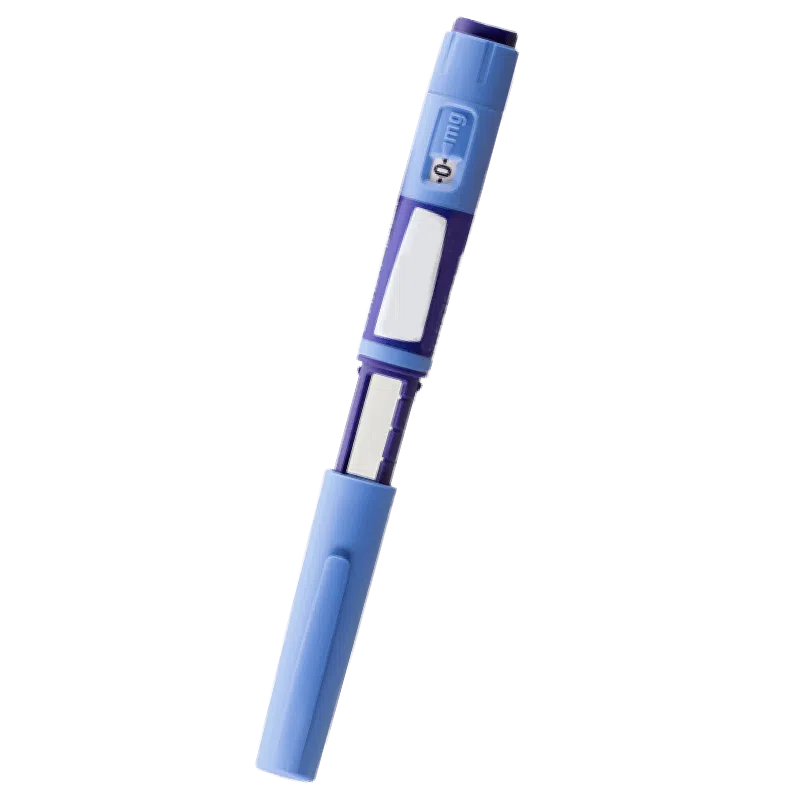
When using weight loss injections, it’s important you rotate injection sites or at least avoid injecting at the same spot as your previous injections. This is especially important for daily injectable treatments like Saxenda.

Injecting at the same site can result in side effects, such as:

Skin discomfort

Frequent injections at the same site can lead to skin discomfort. This may include tenderness, pain, and redness in the area.

While these symptoms are typically mild and usually go away within a few hours, repeated injections can worsen the discomfort, especially if you’re injecting daily.

Cutaneous amyloidosis

Cutaneous amyloidosis is the accumulation of amyloid protein under the skin. The primary symptom is a lump forming under the skin, which can affect absorption. Other symptoms may include abnormal skin patches, itching, and changes in skin color.

It’s been reported as a rare side effect of liraglutide (found in Saxenda). It commonly occurs due to repeated injections at the same site, which can lead to a buildup of liraglutide, causing the amyloid protein to aggregate.

Lipohypertrophy

Lipohypertrophy is when a lump forms under the injection site after repeated injections. It's caused by a buildup of scar tissue and fat deposits. The lump can make it harder for medication to get absorbed.

Although this is less common with weight loss injections containing GLP-1 receptors like semaglutide and liraglutide, as they promote fat loss, if you have existing lipohypertrophy, repeated injections at the same site may make it worse.

There isn’t enough research that suggests that weight loss injections cause lipohypertrophy; in fact, semaglutide has been found to prevent and reduce HIV-related lipohypertrophy.

The best way to rotate injection sites

Rotating injection sites is easy. There are three main places where you can inject: the abdomen, thigh and upper arms.

Injection site rotation guide for weekly injection, like Wegovy and Zepbound:
Week Injection site
Week 1 Left abdomen
Week 2 Left thigh
Week 3 Left upper arm
Week 4 Right abdomen
Week 5 Right thigh
Week 6 Right upper arm
Injection site rotation guide for daily injection, such as Saxenda:
Day Injection site
Monday Left abdomen
Tuesday Left thigh
Wednesday Left upper arm
Thursday Right abdomen
Friday Right thigh
Saturday Right upper arm
Sunday Central abdomen (at least 2 inches away from your navel)
Tips when using injectable weight loss medication Tips when using injectable weight loss medication
  • If you need to inject in the same area, try to keep at least one inch away from your previous site. This will prevent irritation, pain and discomfort.
  • Avoid injecting into moles, scars, bruised, or irritated skin.
  • Choose the fattiest (most fleshy) part of the injection area for better absorption.
  • Always clean the injection site before injecting.
  • After injecting, hold the pen in place for a few seconds to ensure the full dose is absorbed.
  • Use a cold compress on the area after injection to help reduce redness, swelling, and tenderness.
Reference Popover #ref1
Reference Popover #ref2

Sourcing guidelines:

When we present you with stats, data, opinion or a consensus, we’ll tell you where this came from. And we’ll only present data as clinically reliable if it’s come from a reputable source, such as a state or government-funded health body, a peer-reviewed medical journal, or a recognised analytics or data body. Read more in our editorial policy.

Tell us what you want to hear.

Have a subject you’d like us to cover in a future article? Let us know.

Give us the inbox treatment.

We're making healthcare more about you. Sign up to our newsletter for personalized health articles that make a difference.

Disclaimer: The information provided on this page is not a substitute for professional medical advice, diagnosis, or treatment. If you have any questions or concerns about your health, please talk to a doctor.

Suggest a health guide

Tell us your idea here.

(And leave your email too, so we can let you know if we write an article based on your suggestion.)