VerifiedFact Checked
How can I get weight loss meds?

How can I get weight loss meds?

You can get weight loss meds both over-the-counter and on prescription. Before you go down the weight loss medication route, you may want to think about whether weight loss meds are right for you. Looking at the various prescription and OTC options - which will help you to achieve your weight loss goal in the safest and most effective way?

Daniel Atkinson
Medically reviewed by
Daniel Atkinson, Clinical Reviewer
Go to
Medically reviewed by
Dr Alexandra Cristina Cowell
Writer & Clinical Content Reviewer
on Mar 20, 2025.
Meet Alexandra Cristina  

Alexandra Cristina

Last updated on Sep 24, 2025.

Was this article useful?

The best way to find out the answer to this question is to speak to a medical professional. Whether that be your family doctor, a registered online doctor, or a pharmacist. Both prescription weight loss medication and the over-the-counter weight loss medication have certain criteria that are used to assess someone’s suitability for the treatment. You’ll likely be asked a number of questions and have your BMI calculated.

If you come across weight loss pills that are available without a pharmacist’s or doctor’s supervision then they might not work as expected and in some cases may not even be safe. Speaking to an expert, like a doctor or pharmacist, is the best way to get the best advice. Clinicians can offer a number of different weight loss medication options through an online consultation, where they’ll help you choose the best one for you.

Which weight loss meds are on prescription?

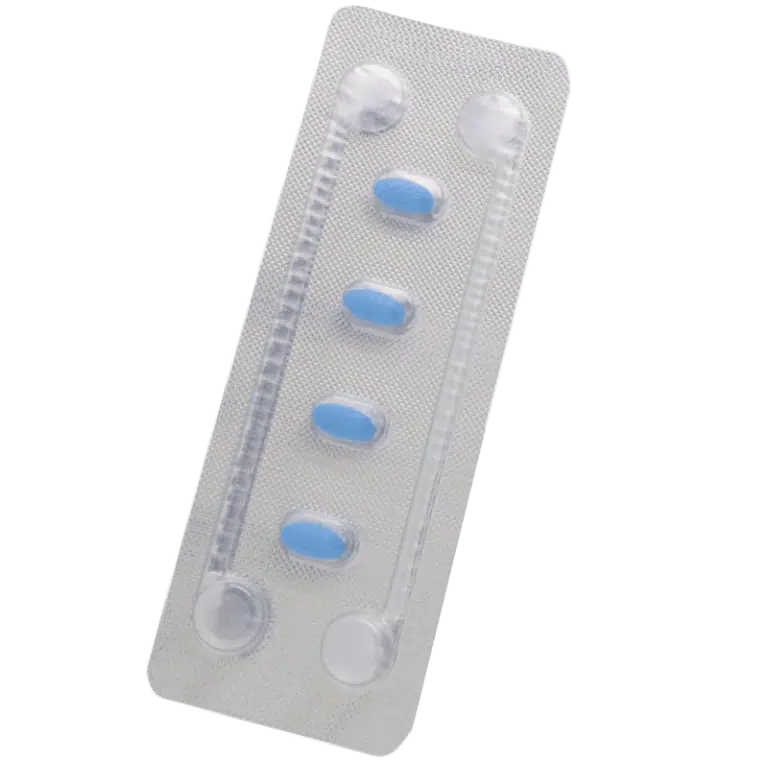
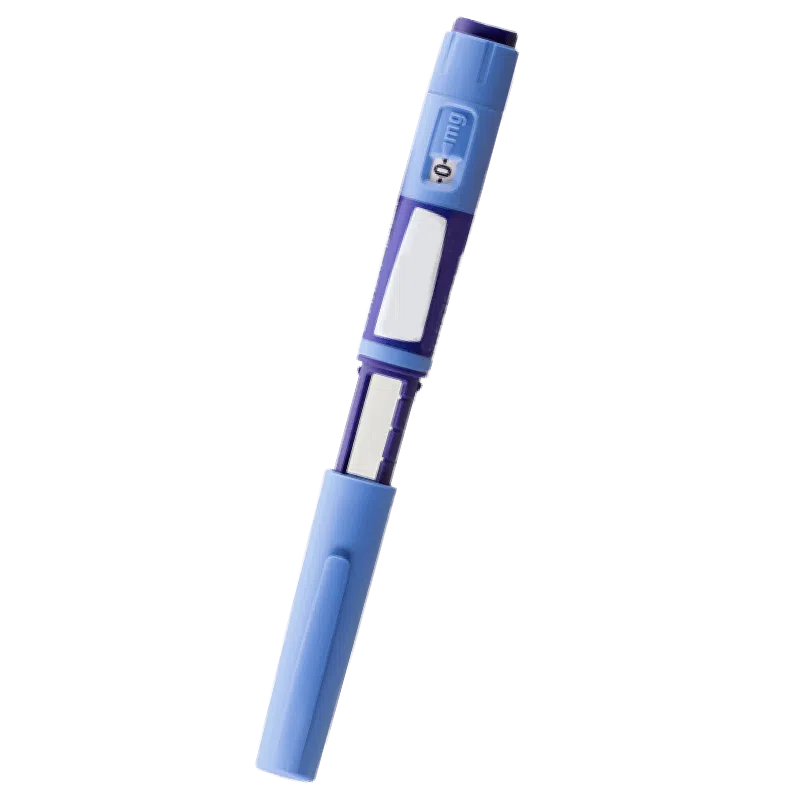
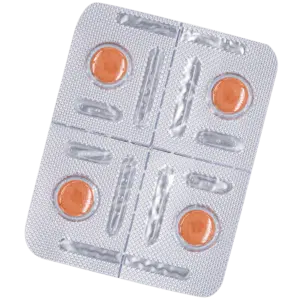
There are quite a few different weight loss treatments available on prescription. As well as prescribed weight loss pills, there is also injectable weight loss medication. The treatment options are:

  • Xenical tablets use the active ingredient orlistat to prevent some of the fat you consume from being absorbed by your body. This is a branded version of Orlistat, and as a result it tends to be a pricier option.
  • Alli, like Xenical, is a branded version of Orlistat. It’s a lower-dose version, though, meaning it’s available without a prescription.
  • Orlistat is a generic version of Xenical, so it works in the same way but can usually be picked up for a lower price.
  • Contrave tablets contain two active ingredients: bupropion and naltrexone. And works by reducing your appetite and cravings.
  • Saxenda is not a weight loss pill, it’s an injectable medication that uses the active ingredient liraglutide to reduce your appetite and to make you feel fuller faster.
  • Wegovy is also an injectable medication that uses the active ingredient semaglutide to reduce your appetite and to increase your insulin productivity, which can make you feel fuller for longer after meals.
  • Zepbound is another injectable treatment you administer once a week. The active ingredient, tirzepatide, works in much the same way as semaglutide (the active ingredient in Wegovy) by reducing food cravings and increasing satiety. However, the effectiveness profile is slightly different (it seems to perform better in clinical trials ), and there are more doses available.

How to get prescribed weight loss medication

If you’re looking to get prescription weight loss medication you’ll need to follow a few basic steps:

  • First up, you need to speak with a doctor or pharmacist, as they’ll be able to make the decision on whether weight loss medication is suitable for you.
  • A clinician will talk to you about your current health and your medical history. They’ll also consider your current weight and your history with dieting and other weight loss medications or procedures you may have tried in the past. This will allow them to build a picture so that they offer you the best treatment options.
  • If you and the clinician agree that weight loss medication can be used to help you lose weight long-term and in a healthy manner, they’ll go ahead and help you choose your treatment.
  • Once you have some treatment options, you can weigh the pros and cons of each and look at their risks and possible side effects. It’s important to make an informed decision about any medication.
  • If you’ve had an in-person appointment with a doctor then you’ll need to pick up your prescription from a pharmacy or arrange for it to be delivered. If you’ve had an online consultation your treatment will be dispensed and delivered to your door the next day.
  • We’ll keep in contact with you to see how your treatment is going, and to make sure that the medication is right for you. If you come across any bumps in the road we’ll be on hand to offer support and even offer alternative weight loss medication options if needed.

What weight do you have to be to qualify for weight loss medication?

05

You don’t need to be a certain weight in order to qualify for weight loss medication. Instead, your BMI is used to calculate suitability. This can change from pill to pill, but most medications are licensed for people who have a BMI of 30 or above, but if you have a BMI of 28 or 29 and suffer from other health conditions such as high blood pressure or diabetes, you may still be considered for weight loss treatment.

You need to be a certain BMI to be prescribed weight loss medication because it isn’t suitable for people with a healthy weight and, like with every medication, there are side effects and risks associated with its usage. It isn’t sensible to take these risks (even though they’re small) if you don’t really need the treatment. For example, weight loss pills that hinder the absorption of certain substances in your diet can leave you lacking some essential nutrients.

Can I get weight loss meds on insurance?

Coverage for weight loss medication isn’t guaranteed, and heavily depends on the type of insurance plan you have, your specific health conditions, and the medication you’re after.

If you’re on an employer-sponsored or other commercial health insurance plan, the likelihood of getting coverage for weight loss meds is inconsistent. While some larger employers are starting to include weight loss meds in their health benefits packages, it’s far from a universal offering.

Coverage often hinges on a diagnosis of obesity (BMI of 30 or higher), or 27 and above with at least one weight-related condition like type 2 diabetes, high blood pressure, or high cholesterol. Insurers often require prior authorization, a process where your doctor needs to justify the medical necessity of the prescription. This might involve demonstrating that other methods of weight loss, like diet and exercise, haven’t worked for you.

When a benefit is offered, commonly covered medications include newer GLP-1 agonists like Wegovy (semaglutide) and Zepbound (tirzepatide), as well as older medications. But even with coverage, you might still face significant out-of-pocket costs in the form of deductibles, copayments, and coinsurance.

How about Medicare and Medicaid?

Traditional Medicare (Part A and Part B) doesn’t cover prescription drugs for weight loss. Medicare Part D, however (the prescription drug benefit), might cover medications used to treat other health conditions that also result in weight loss. So if you’re prescribed a medication like Ozempic, for example, to help manage your type 2 diabetes, this would be covered under Part D.

Some Medicare Advantage (Part C) plans, which are offered by private insurance companies, might offer additional benefits that could include coverage for certain weight loss programs or medications. If you’re eligible for Medicare, it’s good to check the specific details of your individual plan.

Medicaid, on the other hand, has a state-by-state approach to covering weight loss medications. A number of state Medicaid programs have started to cover these drugs, recognizing obesity as a chronic disease. Coverage isn’t nationwide, though, and the specific medications covered and eligibility criteria can vary between states. If you’re on Medicaid, consult your state’s Medicaid agency or managed care organization to see if weight loss medications are a covered benefit and what requirements you’ll need to meet to get them.

Are weight loss pills available over-the-counter?

Yes, there is one FDA-approved weight loss medication available over-the-counter in the US, called Alli. Alli contains a 60mg dose of the active ingredient, orlistat, which is a lower strength than the 120mg prescription version (Xenical). You can buy Alli at most pharmacies and drugstores without a prescription, though it’s usually kept behind the pharmacy counter. You’ll need to speak to a pharmacist to make sure it’s right for you first though, since it’s only intended for overweight adults and should be used alongside a reduced-calorie, low-fat diet.

Reference Popover #ref1
Reference Popover #ref2
Reference Popover #ref3
Reference Popover #ref4
Reference Popover #ref5
This page was medically reviewed by Dr Alexandra Cristina Cowell, Writer & Clinical Content Reviewer on Mar 20, 2025. Next review due on Mar 20, 2028.

Last updated on Sep 24, 2025.

How we source info.

When we present you with stats, data, opinion or a consensus, we’ll tell you where this came from. And we’ll only present data as clinically reliable if it’s come from a reputable source, such as a state or government-funded health body, a peer-reviewed medical journal, or a recognised analytics or data body. Read more in our editorial policy.

Tell us what you want to hear.

Have a subject you’d like us to cover in a future article? Let us know.

Give us the inbox treatment.

We're making healthcare more about you. Sign up to our newsletter for personalized health articles that make a difference.

Disclaimer: The information provided on this page is not a substitute for professional medical advice, diagnosis, or treatment. If you have any questions or concerns about your health, please talk to a doctor.

Suggest a health guide

Tell us your idea here.

(And leave your email too, so we can let you know if we write an article based on your suggestion.)