
VerifiedFact Checked
Zepbound or Wegovy: Which is better?

Zepbound or Wegovy: Which is better?

Zepbound and Wegovy are two popular weight loss drugs. Both drugs are more effective than exercise and diet alone, but of the two, which is better?

In this guide, we’ll compare the effectiveness, cost and benefits to help you decide which treatment is most suitable for you.

Alexandra Cristina Cowell
Medically reviewed by
Alexandra Cristina Cowell, Writer & Clinical Content Reviewer
Go to
Medically reviewed by
Dr Alexandra Cristina Cowell
Writer & Clinical Content Reviewer
on Mar 05, 2025.
Meet Alexandra Cristina  
Alexandra Cristina

Last updated on Mar 04, 2025.

Was this article useful?
Wegovy Zepbound
Active ingredient Semaglutide Tirzepatide
How it works Mimics GLP-1 hormone to induce satiety, slow digestion and reduce hunger. Mimics GLP-1 and GIP hormones to increase feelings of fullness, slow digestion and reduce hunger.
Administration Weekly injections Weekly injections
Doses 0.25mg, 0.5mg, 1mg, 1.7mg, and 2.4mg. 2.5mg, 5mg, 7.5mg, and 10mg.
Effectiveness Mean weight loss achieved by month 12: 8.3%. Mean weight loss achieved by month 12: 15.3%.
Cost per month $2104.95 $1,813.95
Cost over a year Approximately $25,000 Approximately $21,000
Common side effects Headache; Nausea; Vomiting; Diarrhoea; Constipation; Stomach pain; Feeling weak; Changes in vision especially for people with diabetes; Hypoglycemia; Nausea; Vomiting; Diarrhoea; Stomach pain; Constipation;

Summary:

  • Zepbound achieved approximately 15% weight loss by month 12, compared to 8% with Wegovy.
  • Annual costs (without insurance) are lower for Zepbound ($21,000) than Wegovy ($25,000), offering better value.
  • Both drugs cause side effects like nausea and vomiting.
  • Zepbound reduces oral contraceptive effectiveness, while Wegovy is safe with all contraception types.

How do Wegovy and Zepbound work?

Wegovy and Zepbound are two weight loss injections in the category of drugs called GLP-1 receptor agonists. Wegovy contains semaglutide, which targets the GLP-1 receptors, while Zepbound contains tirzepatide, which targets GLP-1 and GIP receptors.

Mode of action

Semaglutide mimics GLP-1, a hormone that's naturally released after meals. It promotes feelings of fullness, slows down digestion and reduces your cravings. This regulates your appetite and curbs feelings of hunger.

Tirzepatide mimics GLP-1 and GIP, two hormones that are released after meals. Like semaglutide, it induces satiety, slows digestion and reduces food cravings. The addition of GIP enhances the weight loss effects, making tirzepatide more effective than semaglutide for some users.

Both treatments target GLP-1 receptors, with Zepbound also targeting GIP receptors. As a result, both increase feelings of fullness, slow digestion and reduce hunger.

How they’re administered

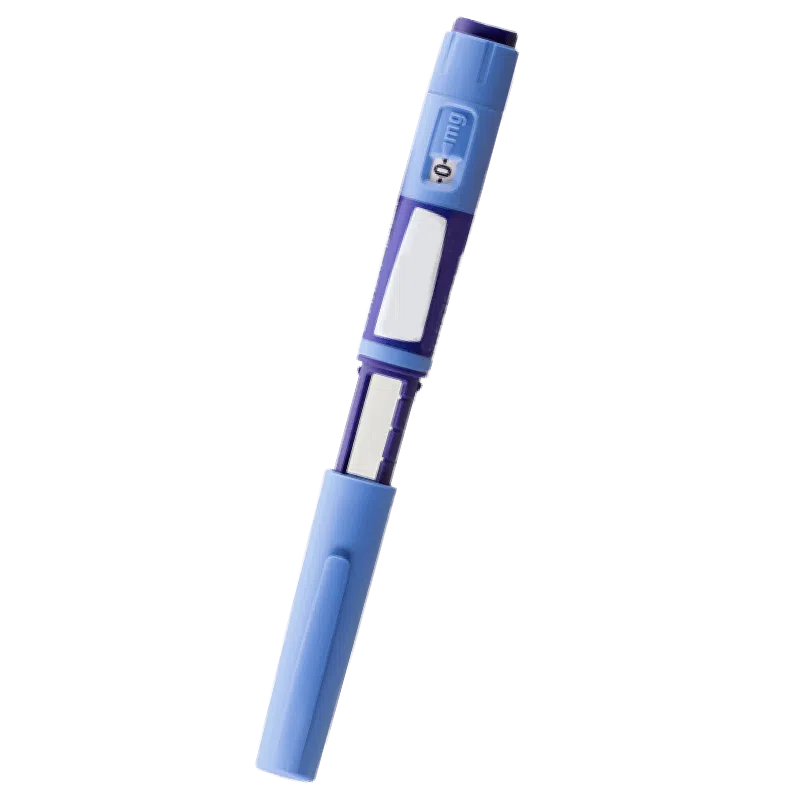
Wegovy and Zepbound are injected weekly under the skin in your stomach, thigh or upper arm, on the same day around the same time. The dose increases every four weeks until you reach the maintenance dose.

  • Wegovy is available in five doses: 0.25mg, 0.5mg, 1mg, 1.7mg, and 2.4mg (maintenance dose).
  • Zepbound is available in four doses: 2.5mg, 5mg, 7.5mg, and 10mg (maintenance dose).

Some people might choose to remain on a lower dose for longer than four weeks because of the side effects or higher costs that come with higher doses. Staying at the lower dose until the side effects become manageable can make the weight loss journey more comfortable. While remaining on a lower dose might slow your weight loss progress, it can still deliver results.

Wegovy is available in 5 doses and Zepbound is available in 4 doses. Both are injected weekly, with the dose increasing every four weeks until you reach the maintenance dose.

Which is the most effective for weight loss?

Multiple studies have shown the effectiveness of both Wegovy and Zepbound for weight loss. Below is a summary of their results.

Effectiveness of Wegovy

In one study with 1961 patients taking 2.4mg semaglutide, the mean weight loss achieved was 14.1% by week 68, compared to 2.4% in the placebo group. The results found:

  • 86.4% of participants achieved 5% or more weight loss
  • 69.1% of participants achieved 10% or more weight loss
  • 50.5% of participants achieved 15% or more weight loss

These findings were similar to another study with 175 patients with overweight or obesity. The mean weight loss achieved by week 26 was 10.9% (around 12.3kg). The findings included:

  • 87.3% achieved a weight loss of 5%
  • 54.9% achieved a weight loss of 10%,
  • 23.5% achieved a weight loss of 15%
  • 7.8% achieved a weight loss of 20% or more.

The study also highlighted that higher doses (1.7mg and 2.4mg) resulted in more weight loss than the lower doses (0.25mg, 0.5mg, 1mg). Participants on the higher dose achieved a mean weight loss of 12.1% compared to 9.2% for those receiving lower doses. Other benefits included better cardiovascular health, improvement in blood sugar and reduced risk of kidney disease.

However, stopping treatment with semaglutide often led to weight gain. In a study, 327 patients lost an average of 17.3% of their body weight over 68 weeks, but by week 120, they regained an average of 11.6% of that weight. This shows the importance of continued treatment and adhering to lifestyle changes.

Effectiveness of Zepbound

In a study with 2539 participants, the mean weight loss achieved by week 72 using Zepbound was:

  • 15.0% with 5mg
  • 19.5% with 10mg
  • 20.9% with 15mg
  • 3.1% with placebo

Aside from the weight loss benefits, participants using tirzepatide showed improvements in blood pressure, insulin sensitivity, and cholesterol levels. Additionally, by week 72, most pre-diabetic participants (95%) had normal blood sugar levels.

As previously mentioned, a physician may recommend staying on a 10mg maintenance dose instead of 15mg due to similar effectiveness and cost benefits. The results prove there’s little difference in weight loss achieved with 10mg compared to 15mg.

Similar to semaglutide, stopping tirzepatide commonly led to weight regain. A study of 670 participants who achieved an average weight reduction of 20.9% by week 36. Half of these individuals continued treatment, while the other half received a placebo. Upon follow-up at week 88, patients who continued taking tirzepatide lost an additional 5.5%, whereas those receiving the placebo experienced a 14% weight gain.

How does Wegovy compare with Zepbound?

A comparative study found tirzepatide (Zepbound) to be more effective than semaglutide (Wegovy) in a trial consisting of 41,222 participants. Of these, 32,029 were treated with semaglutide, while 9,193 received tirzepatide. The mean weight loss achieved with each treatment was as follows:

  • After 3 months: 5.9% for tirzepatide compared to 3.6% for semaglutide.
  • After 6 months: 10.1% for tirzepatide compared to 5.8% for semaglutide.
  • After 12 months: 15.3% for tirzepatide compared to 8.3% for semaglutide.

The differences in weight loss could be because of tirzepatide's ability to target GLP-1 and GIP receptors, compared to semaglutide which only targets GLP-1 receptors.

Both are effective at helping you lose weight, but Zepbound is more effective than Wegovy.

Which has the least side effects?

Wegovy and Zepbound carry the risk of side effects, with gastrointestinal side effects being the most common due to GLP-1 receptor agonists’ effect on stomach digestion. The most common side effects reported include:

  • Nausea
  • Vomiting
  • Diarrhea
  • Fatigue
  • Abdominal pain

While you may experience other side effects, these are the most common ones. For the full list of side effects, always check the patient leaflet.

To reduce the risk of side effects, consider gradually increasing your dose to allow your body to adjust to the treatment. Alternatively, you can remain on a lower dose until the side effects become manageable. It may also help to avoid fatty or greasy foods and stick to simple, bland options to reduce the risk of nausea and vomiting. Eating small meals more frequently can also aid digestion and relieve symptoms like nausea and abdominal pain.

If the side effects become unmanageable, switching to another weight loss treatment might help. Everyone reacts differently to medications, so try finding one that works best for you. If you’re unsure what to choose, our clinicians are on hand to help.

Both drugs carry the risk of getting side effects with nausea, vomiting, diarrhea and stomach pain being the most common. But there are things you can do to make them manageable.

Which is more cost effective?

Cost of Wegovy

One Wegovy pen contains one dose, so one pen should last a week each. The cost of the four pens is the same no matter the dose: $2,104.95

If you follow the treatment regimen accurately, the cost of Wegovy over a year (52 weeks) should work out to be $25,259.40.

Cost of Zepbound

Each Zepbound pen contains four doses and lasts four weeks. The cost of each pen is the same for each dose: $1,813.95.

If you follow the treatment plan accurately, the cost of Zepbound over a year (52 weeks) works out to be $21,767.40.

Other costs to keep in mind

It’s recommended to exercise at least 150 minutes a week while using Wegovy and Zepbound. This can be as simple as walking, running, or following a home workout. But if you choose to go to the gym, this will add to your monthly expenses.

However, you might save on your food bill as it's recommended to follow a calorie deficit diet. This means you're less likely to spend on junk food or takeout.

icon tickPer month, Zepbound works out to be $291 cheaper than Wegovy.

How do Wegovy and Zepbound interact with other medicines?

When Wegovy and Zepbound are used alongside diabetes medication, they can increase the risk of hypoglycemia (low blood sugar). This is because these medications stimulate insulin release, lowering blood sugar levels.

Diabetes medications such as insulin or sulfonylureas (e.g. gliclazide) may require dose adjustments, but they don’t need to be avoided entirely. Your physician will make sure to closely monitor your blood sugar.

Tirzepatide may affect the absorption of Digoxin (used for heart conditions) and Warfarin (a blood thinner), which could require dose adjustments.

Semaglutide can interact with Acenocoumarol (a blood thinner) by reducing its effectiveness and may slightly increase exposure to Levothyroxine (used for thyroid conditions). These interactions are manageable with monitoring and dose adjustments.

It’s important to inform the physician about any medication you are taking. For the full list of interactions, read the patient leaflet.

Both drugs share a similar interaction profile, especially concerning increased hypoglycemia risk with other antidiabetic treatments.

Can Wegovy and Zepbound be used alongside contraception?

Wegovy can be used alongside all types of contraceptives including oral hormonal contraception. However, it’s important to know that side effects like vomiting may affect how well oral contraceptives work.

Zepbound can decrease the effectiveness of oral contraceptives. Oral hormonal contraceptives are digested in the stomach and absorbed into the bloodstream, but because Zepbound delays stomach emptying, there’s a potential that it will reduce the efficacy of oral contraceptives. Therefore, you should avoid using oral contraceptives with Zepbound or use an additional barrier method, like condoms, for added protection.

Non-oral and non-hormonal contraceptives aren’t affected by Zepbound like patches, IUS, or injections, as they are absorbed directly into the bloodstream or vaginal tissue and don’t require digestion. Non-hormonal contraceptives like copper IUD, don’t require absorption and aren’t affected by Zepbound.

All types of contraceptives can be used with Wegovy, but oral contraceptives should be avoided with Zepbound.

Reference Popover #ref1
Reference Popover #ref2
Reference Popover #ref3
Reference Popover #ref4
Reference Popover #ref5
Reference Popover #ref6
Reference Popover #ref7
Reference Popover #ref8
Reference Popover #ref9
Reference Popover #ref10

Sourcing guidelines:

When we present you with stats, data, opinion or a consensus, we’ll tell you where this came from. And we’ll only present data as clinically reliable if it’s come from a reputable source, such as a state or government-funded health body, a peer-reviewed medical journal, or a recognised analytics or data body. Read more in our editorial policy.

Tell us what you want to hear.

Have a subject you’d like us to cover in a future article? Let us know.

Give us the inbox treatment.

We're making healthcare more about you. Sign up to our newsletter for personalized health articles that make a difference.

Disclaimer: The information provided on this page is not a substitute for professional medical advice, diagnosis, or treatment. If you have any questions or concerns about your health, please talk to a doctor.

Suggest a health guide

Tell us your idea here.

(And leave your email too, so we can let you know if we write an article based on your suggestion.)