

Look after your hair
Caring for your hair to match the weather conditions of each season can prevent seasonal hair loss.
In the winter, using a conditioner or a leave-in hair mask can help restore lost moisture, and oils, like avocado, olive and argan oil, can deeply moisturize your hair from the roots. In the warmer months, wash your hair more frequently, especially if you sweat a lot. This will help clean your scalp and prevent hair from falling out due to clogged pores.
Massage your scalp every day even if it's just for a few minutes. This helps stimulate blood circulation to the follicles, delivering nutrients and oxygen needed for hair to grow healthily.
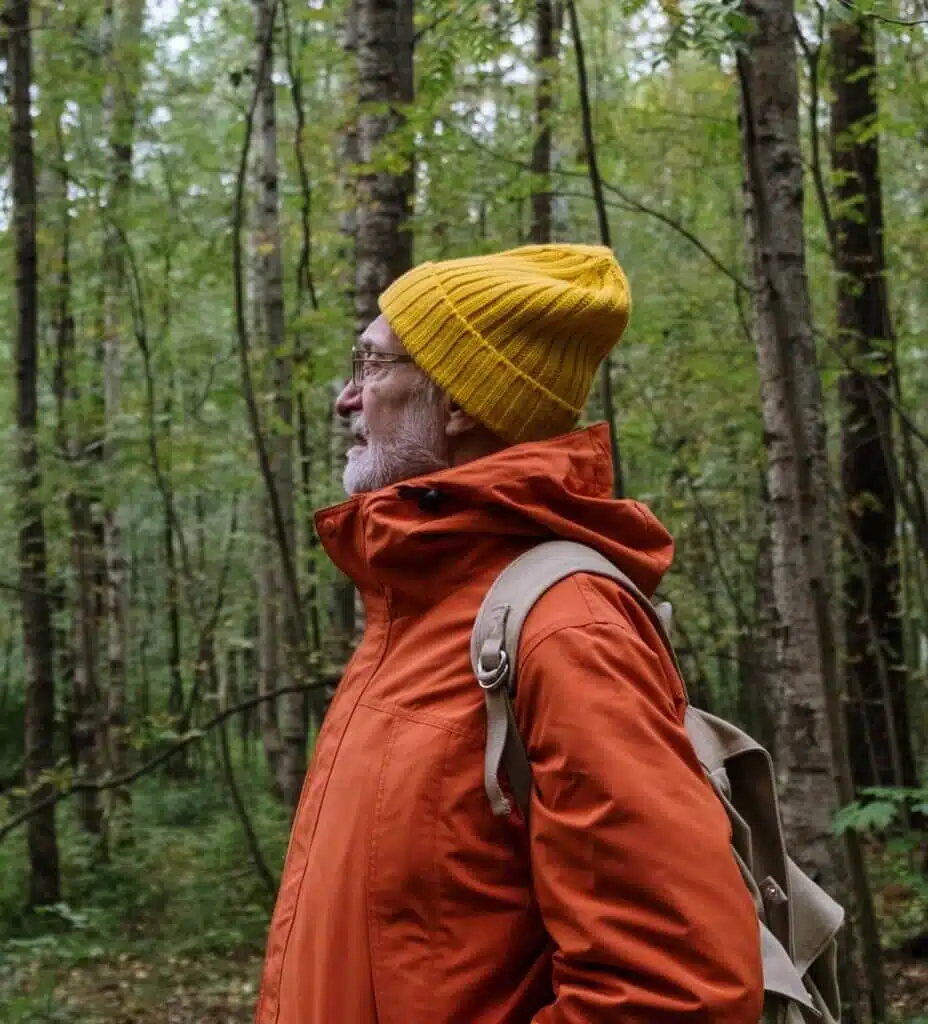
In both seasons, wearing a hat can protect your hair, but for different reasons. In summer, it can protect from UV rays and absorb excess sweat, and in winter, a winter hat can protect your hair from dry, cold air.
You should also apply sunscreen to your scalp to protect against UV rays. This is more important if you're blonde as you’re more likely to lose hair protein after sun exposure. You’re also more likely to have pheomelanin, which is more susceptible to UV damage than dark hair.
Prioritize your health
A good diet and sleep can promote healthy hair. Eating a varied diet that provides nutrients, such as vitamins A, C, D, and E, biotin, zinc and fatty acids, is essential for hair growth. Insufficient amounts of these nutrients could trigger the onset of androgenetic alopecia and worsen hair loss. Trying to get all these nutrients from a balanced diet can be hard, so taking hair supplements might be easier for you.
Not getting enough sleep can cause stress, which could lead to inflammation and conditions like telogen effluvium. Try to get at least eight hours of sleep every night. If you’re struggling to sleep, try to practice good sleep hygiene, develop a consistent routine, or see a sleep specialist or doctor or healthcare provider.
You should also drink plenty of water to keep hydrated. Poor hydration can make your hair brittle and dull, making it prone to breakage.
Reduce stress levels
Managing your stress levels can reduce the likelihood of hair loss. When you experience stress, hormones like cortisol are released, which causes inflammation. This inflammation can damage hair follicles, resulting in hair loss. Practicing relaxation techniques, such as meditation, can relieve stress.
Hair loss medication
If you’ve tried home remedies and you’re still experiencing hair loss, using medication might be more effective. There are two main types of treatments for hair loss: Minoxidil and Finasteride.
Minoxidil is a topical over-the-counter treatment for hair loss that works by improving blood flow to your hair follicles. This allows more nutrients and oxygen to reach the follicles, providing them with the essentials needed to grow hair. It also encourages hair to spend more time in the anagen phase, further encouraging hair growth. Minoxidil is available under the brand name Rogaine and is suitable for both men and women.
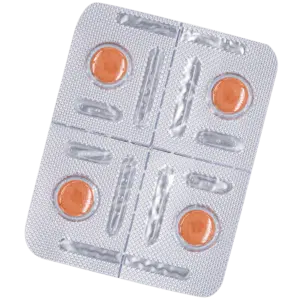
Finasteride is a prescription medication for male androgenetic alopecia. It works by lowering your levels of DHT, the hormone responsible for male pattern hair loss. If you have seasonal hair loss, it’s unlikely your doctor will prescribe this to you.
Link to start consultation.