


VerifiedFact Checked
Is my hairline receding?

Is my hairline receding?

If you’re noticing that your hairline is slowly (or quickly) moving further up your head then, we’re sorry to say but, this could be due to a receding hairline. It’s a very common issue that affects around 50% of men all over the world.

If you identify a receding hairline then there are steps you can take to slow it down and hold onto your hair for longer.

Daniel Atkinson
Medically reviewed by
Daniel Atkinson, Clinical Reviewer
Go to
Medically reviewed by
Dr Alexandra Cristina Cowell
Writer & Clinical Content Reviewer
on Jan 30, 2025.
Meet Alexandra Cristina  
Alexandra Cristina

Last updated on Sep 22, 2025.

Was this article useful?

What is a receding hairline?

A receding hairline is a common problem that can affect both men and women, but it typically affects men more. It can lead to male pattern baldness, particularly in older men, but it can begin as early as puberty. Most men will start to see their hair become thinner and their forehead start to appear more prominently.

Although a receding hairline is not a serious health problem, it can have an impact on mental health. Some men experience a loss in confidence due to the change in their appearance. Hair is a distinctive physical feature, and it can be stressful if you don’t know how to treat a receding hairline. You might also choose to avoid thinking about it, which means that you can miss the early signs and make hair loss harder to treat.

There have been great advances in medicine and technology that help to treat issues like these. So, by finding ways to solve this problem early, you can avoid having to take more drastic measures, such as a hair transplant.

It can be hard to know exactly what a receding hairline looks like, particularly because there are a lot of misconceptions about a male hairline. The main one being that there is one ‘normal’ hairline. There is no standard, and hairlines can be very different in shape, from straight to round. Some hairlines are naturally higher and some lower. A high hairline may not necessarily mean a receding hairline. This is defined by how your hairline moves. If you find that you’re losing hair and that your hairline is moving higher regularly, then this is receding. It can be an early sign of male pattern baldness, in fact the Norwood scale includes a receding hairline as a characteristic in the first two stages of the seven stage scale.

01-3

Hair loss
Hair loss

Ready to put a stop to hair loss? You should feel confident with your choice of hair loss medication. Let's help you find the best one.

Signs of a receding hairline

There’s no fixed pattern that a receding hairline follows, but there are tell-tale signs which can indicate that this process is beginning. It’s key to know the difference between a receding hairline and a maturing hairline. The main distinction is that a maturing hairline will move back in an even manner, whereas a receding hairline will be uneven, creating the distinguishable ‘horseshoe’ or ‘M-shape’ pattern. You will also find that the hairs on your temple will recede more than on your forehead.

You know your hair better than anyone, so keep a close eye on it to detect any slight changes. Changes to watch for include being unable to style your hair in the same way as before. You may also notice that a cowlick has disappeared. Differences aren’t always noticeable or symmetric, so check different areas to spot changes. Pay special attention to corners.

Another sign of a receding hairline is shedding. It’s important to be aware of a normal amount of shedding. Most people will shed between 50-100 hairs per day . If you notice the amount of hair that you shed on a daily basis increases, you may be experiencing hair loss. A proactive way to keep track of changes is to take photos of your hairline and look back at any changes. Changes can be so small that you can miss the early signs.

Are there different types of hairlines?

There are many different types of healthy hairline that you can have. It’s useful to find out which type of hairline you have, especially as you get older. This will help you know how to maintain your hairline. They’re characterised by how they are positioned towards your forehead or crown. A hairline that is positioned closer to the forehead is low, while one closer to the crown is high. The most common types are low hairline, mid hairline, high hairline, rounded hairline, uneven hairline, cowlick hairline and widow’s peak.

A low hairline is most common in children and adolescents. There typically isn’t hair loss at this age. When this type of hairline follows a straight line across the forehead, it’s usually called a juvenile hairline. A low hairline will begin closer to the eyebrows than most average hairlines. There is usually very thick hair growth with this type of hairline.

Another common type is the middle hairline. Men with middle hairlines have foreheads that appear more proportional. This type of hairline is usually preferred. It’s the average hairline for men in their teens and twenties. A middle hairline can be uneven or asymmetrical sometimes, but also straight or rounded.

A high hairline will start at the crown, and your forehead will appear larger. You could still have full and thick hair, or it could show thinning from your younger, lower hairline.

A rounded hairline is usually a sign of thicker hair, as it requires a more even distribution of hair. It doesn’t have edges along the hairline like most men will have.

The cowlick hairline consists of swirls of hair, usually at the crown of your head. This hairline will grow in a different direction compared to the rest of your hair. They are more commonly seen in men with short hair and can make the hair appear messy.

Finally, the widow’s peak hairline, also known as the V hairline, is a V-shaped hairline that some men have genetically. This pattern can become more pronounced as your hairline recedes.

What causes a receding hairline?

A receding hairline can start to appear for a variety of reasons. If you see signs of it happening, it’s worth researching why your hairline is receding to better understand how you could treat it. The main causes are age, hormones, genetics, medication, stress, illness and lifestyle.

Age

Hair loss is a natural sign of aging. In fact, 80% of European men will suffer from hair loss by the age of 80 . There are around 100,000 hairs on an average scalp growing from follicles beneath the skin. It’s normal for these hairs to fall out daily, and be replaced by new ones. Hair loss and receding hairline develop when there is damage to the normal hair growth cycle.

Hormones

Hormone changes can also cause a receding hairline. One particular hormone, dihydrotestosterone (DHT) is thought to be linked to male pattern baldness because it causes the hair follicles to reduce and no longer grow.

Genetics

Genetics is thought to play a part in hair loss. If men in your family have a history of baldness it’s more likely that you'll experience this too. The timing of hair loss will be similar across generations. It’ll usually be gradual, with bald spots appearing.

Medication or treatment

If you have taken certain medications or treatments, this can trigger hair loss. A common example is radiation which is known to cause severe hair loss in a short period of time. Drugs that are prescribed for common illnesses such as depression, arthritis, high blood pressure and heart problems can also cause hair loss.

Illness or stress

Illness or stress can also result in a receding hairline. People who are experiencing stressful situations, such as getting surgery or losing a relative, may see sudden shedding. However, this type of hair loss is usually temporary and can be reversed.

Lifestyle

There are certain lifestyle choices that can also impact hair health. For example, smoking can affect circulation to the scalp, while significant nutrient deficiencies can contribute to shedding. Harsh chemical treatments can also damage hair, leading to breakage.

Can a receding hairline grow back?

It’s possible to stop a receding hairline, but it will depend on the cause of the hair loss. If it’s due to a lifestyle choice (such as smoking) and you decide to quit then you could prevent further receding or even see growth. However, if it’s caused by age, hormones or genetics then it’s much harder to reverse a receding hairline.

But there are ways to slow down the loss of hair. You can use shampoos that don’t have harsh chemicals, less hot water when washing your hair (which can harm hair follicles) and a derma roller to stimulate blood flow. Another way is to think about your diet, and make sure that you choose nutrient dense options such as leafy greens, proteins and whole grains. Regular scalp massages can also be effective to stimulate hair growth.

While lifestyle changes can support hair health, the most effective way to slow or stop a receding hairline caused by male pattern baldness is with medical treatment. The two primary FDA-approved treatments in the US are:

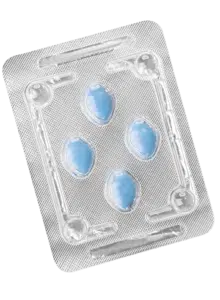
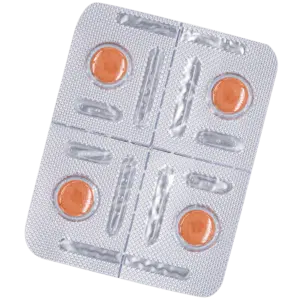
  • Finasteride: An oral pill that works by lowering your levels of the hormone DHT — the main cause of male pattern hair loss.
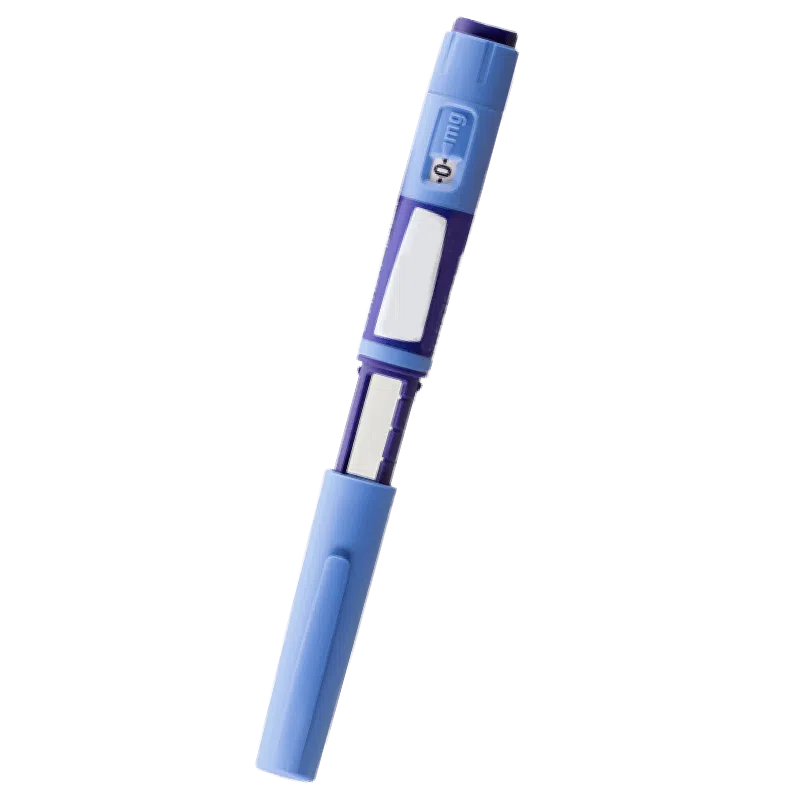
  • Minoxidil: A topical solution or foam that you apply directly to your scalp to stimulate the hair follicles and promote growth.

These treatments are most effective when started early. At Treated, we offer a range of products that can help to halt your receding hairline. If you talk to us about your health, our expert clinical team can advise you of which treatments can be most suitable for your hair loss. We also offer expert subscription services, where you can get the treatment that you need on a schedule that suits you.

Reference Popover #ref1
Reference Popover #ref2

How we source info.

When we present you with stats, data, opinion or a consensus, we’ll tell you where this came from. And we’ll only present data as clinically reliable if it’s come from a reputable source, such as a state or government-funded health body, a peer-reviewed medical journal, or a recognised analytics or data body. Read more in our editorial policy.

Tell us what you want to hear.

Have a subject you’d like us to cover in a future article? Let us know.

Give us the inbox treatment.

We're making healthcare more about you. Sign up to our newsletter for personalized health articles that make a difference.

Disclaimer: The information provided on this page is not a substitute for professional medical advice, diagnosis, or treatment. If you have any questions or concerns about your health, please talk to a doctor.

Suggest a health guide

Tell us your idea here.

(And leave your email too, so we can let you know if we write an article based on your suggestion.)