Folliculitis is a condition that causes your hair follicles to become inflamed. It can occur as a result of infection, irritation, and various skin diseases.
It can affect the hair follicles superficially, or it can be much deeper, causing redness and irritation. An infection is usually behind most cases of folliculitis, but hair follicles can become inflamed because of ingrown hairs or because of medications that affect the skin.
Folliculitis is usually confirmed by a doctor who looks at the affected areas of skin and asks some questions about your symptoms. The condition can affect both men and women, although some fungal strains, such as Malassezia folliculitis, tend to affect men more commonly.
Who gets folliculitis?
Anyone can get folliculitis. The infection can occur anywhere where pilosebaceous units (the hair shaft, hair follicle, and sebaceous gland) are found on your body.
The most common bacterial form of the infection is caused by Staphylococcus aureus, more commonly referred to as Staph.
People who have a history of diabetes, or anyone who is immunocompromised, are at a greater risk of developing this condition. Shaving frequently can also increase your chances of developing folliculitis.
How common is folliculitis?
Folliculitis is considered a common infection, but there isn’t much evidence to say how often people are affected by it.
A doctor will usually check to see if any other skin diseases might be causing your itching. You might also be asked whether you’ve used a hot tub or swimming pool recently, as bacterial folliculitis often spreads there.
Common causes of folliculitis include:
Spending time in hot tubs
Rubbing your skin often
Damage from shaving
Tight clothing that causes rubbing
Keeping on top of your personal hygiene is a helpful way of preventing folliculitis from recurring once you’ve treated your infection.
If you think your shaving or skincare routine might be causing it, we’ll recommend adjustments that can reduce damage to your hair follicles.
When we present you with stats, data, opinion or a consensus, we’ll tell you where this came from. And we’ll only present data as clinically reliable if it’s come from a reputable source, such as a state or government-funded health body, a peer-reviewed medical journal, or a recognised analytics or data body. Read more in our editorial policy.
Folliculitis
What causes folliculitis?
Folliculitis can occur on your body wherever hair grows, and there are lots of things that can cause an infection.
One of the most common places that folliculitis spreads is in hot tubs. Sometimes referred to as pseudomonas folliculitis, this is an infection caused by Pseudomonas aeruginosa, a type of bacteria that can survive in chlorinated water (most bacteria can’t survive in these conditions). If you’re planning on using a hot tub or jacuzzi, you should make sure it is cleaned regularly to limit your chances of picking up an infection.
You can also develop folliculitis by sharing towels and razors with other people, usually when Staphylococcus aureus (staph) bacteria are present. Most common types of folliculitis don’t spread person-to-person, though.
What are the symptoms of folliculitis?
The severity of folliculitis symptoms can vary, depending on the type of infection you have. The most common symptoms, whether your infection is bacterial, viral, or caused by inflammation, are raised, red bumps on your skin where your follicles are. They look like tiny spots and, sometimes, these raised bumps contain pus.
The bumps can appear anywhere you have hair, but they’re more likely to appear in areas prone to irritation, from repeated rubbing caused by clothes, or damage from shaving.
It’s common for the skin to itch, and sometimes it can be painful. A skin scraping, or swab test, might be necessary if your folliculitis symptoms aren’t responding to standard treatments.
Can folliculitis lead to other problems?
Folliculitis isn’t usually a sign of a more serious condition, and having an infection shouldn’t cause any long-term damage to your skin or general health.
Scratching and itching any skin condition too much can cause infection, so it should be avoided. It can also cause scarring if your scratching is severe, so if your urge to itch is persistent, you could look at treatments such as creams or ointments which are designed to soothe irritation.
When we present you with stats, data, opinion or a consensus, we’ll tell you where this came from. And we’ll only present data as clinically reliable if it’s come from a reputable source, such as a state or government-funded health body, a peer-reviewed medical journal, or a recognised analytics or data body. Read more in our editorial policy.
Folliculitis
What medications are there for folliculitis?
There are lots of treatments available for folliculitis. The one you’re prescribed will depend on the type of infection you have — whether it’s fungal, bacterial, or caused by follicle damage and inflammation (caused by things like shaving or skin rubbing).
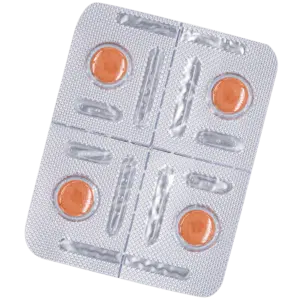
Oral and topical antibiotics are used for bacterial infections, and antifungal tablets and creams are used to treat fungal folliculitis. Acne treatments can also help to ease skin irritation and open clogged hair follicles.
You might also be recommended skincare products such as cleansers, moisturizers and exfoliants as part of a maintenance regime once your folliculitis has cleared up.
Are folliculitis treatments available over the counter?
Most supermarkets and pharmacies sell skincare products over the counter. Exfoliating creams and moisturisers can play a part in a healthy skincare routine and might help you avoid folliculitis infections that are caused simply by damaged hair follicles.
Aloe vera gel is widely available and is known to have effective anti-inflammatory properties that can help with itchy skin.
Over-the-counter products sometimes share ingredients that are found in prescription medicines. You should always make sure you read the labels on products and make sure they’re safe before using them to manage a skin condition.
Does folliculitis always need treatment?
Folliculitis might not need treatment if it’s mild. You’ll be prescribed medication if a doctor thinks your condition is fungal or bacterial, or if you’ve had repeat infections in a short space of time.
You should wash your towels, washcloths, and razors every day while you have folliculitis. Avoid sharing them with anyone else to minimize the risk of spreading the infection.
When we present you with stats, data, opinion or a consensus, we’ll tell you where this came from. And we’ll only present data as clinically reliable if it’s come from a reputable source, such as a state or government-funded health body, a peer-reviewed medical journal, or a recognised analytics or data body. Read more in our editorial policy.
Folliculitis
Folliculitis: FAQ
Have something specific you want to know? Search our info below, or ask our experts a question if you can’t find what you’re looking for.
How is folliculitis diagnosed?
Answer:
Folliculitis can be diagnosed after discussing your symptoms and looking at photographs (you will usually be asked to provide these). Equally, a family doctor can examine your skin and look for evidence of folliculitis in person. It’s a common condition that’s usually straightforward to diagnose.
In some cases, you might be referred for other tests, such as a skin biopsy, to rule out anything more serious that could be behind changes to your skin. But usually, no diagnostic or radiographic testing is necessary.
How is folliculitis usually treated?
Answer:
Folliculitis can be treated using both over-the-counter and prescription medications. The way you manage the condition usually depends on the severity of your symptoms.
Oral antibiotics, like Erythromycin, can treat bacterial infections that are causing your symptoms. Creams or ointments that contain antibiotics, or antifungal medicines, are also commonly prescribed.
Non-steroidal anti-inflammatory drugs (NSAIDs) like ibuprofen can help manage pain caused by inflamed follicles, and antihistamines can sometimes reduce itching.
And lastly, growing the hair out from affected areas, rather than plucking, shaving, or waxing, can help your hair follicles heal.
Can you get side effects from folliculitis treatments?
Answer:
There are lots of different ways to treat folliculitis. Sometimes, the infections can clear by themselves.
The side effects you get from treatments will vary from person to person. If you’re prescribed an oral antibiotic like erythromycin or flucloxacillin, you might experience side effects like nausea, diarrhea, and loss of appetite.
There’s no guarantee you’ll get any of these, though. The patient information leaflet that comes with your medication includes a full list of possible side effects you might experience.
Sometimes, topical corticosteroids are prescribed to treat other skin conditions, such as eczema, psoriasis, and contact dermatitis. Occasionally, these medicines can cause folliculitis as a side effect. Speak to a doctor for the best advice if you’re using a corticosteroid for another skin condition and feel like it is causing damage to your hair follicles.
Can folliculitis be prevented?
Answer:
There are some things you can try to help prevent damage to your hair follicles. If you’re prone to flare-ups, wearing loose-fitting clothes can stop your skin rubbing up against the material. This is especially important during warm weather, when tight clothes are more likely to make you hot, giving fungus and bacteria the chance to grow. If you use the gym or work out regularly, change out of the clothes you had on and shower as soon as you can, to prevent a buildup of sweat that can cause itchiness.
Sometimes, folliculitis can develop by applying moisturizers or creams to your skin. This is usually if the medication is applied in the opposite direction that your hair grows, which can irritate your follicles, so it’s recommended you use treatments like this carefully. Apply them to your skin in the same direction your hair is growing in.
The same rule should be used for shaving. Shaving ‘against the grain’ can cause ingrown hairs and skin irritation that can lead to folliculitis.
“The Effect of Aloe Vera Clinical Trials on Prevention and Healing of Skin Wound: A Systematic Review.” Iranian Journal of Medical Sciences, vol. 44, no. 1, 2019, pp. 1–9
Finacea is a topical gel that contains 15% azelaic acid. It’s commonly prescribed for rosacea, but it’s also used off-label to treat inflammation and recurring folliculitis.
We're making healthcare more about you. Sign up to our newsletter for personalised health articles that make a difference.
Disclaimer: The information provided on this page is not a substitute for professional medical advice, diagnosis, or treatment. If you have any questions or concerns about your health, please talk to a doctor.
All of our reviews are collected from real patients after their treatment has been delivered.
We publish reviews collected through independent platforms including Reviews.io and Trustpilot.
Last updated on Aug 14, 2025.
Folliculitis isn’t available right now.
Aug 14, 2025
Published by: The Treated Content Team.Medically reviewed by: Dr. Joseph Palumbo, Senior Medical Adviser
How we source info.
When we present you with stats, data, opinion or a consensus, we’ll tell you where this came from. And we’ll only present data as clinically reliable if it’s come from a reputable source, such as a state or government-funded health body, a peer-reviewed medical journal, or a recognised analytics or data body. Read more in our editorial policy.
 Express shipping
  US clinicians