
Weight loss injections and muscle loss – is there a link?
Weight loss doesn’t have to lead to muscle loss. Here’s how to maintain your strength.
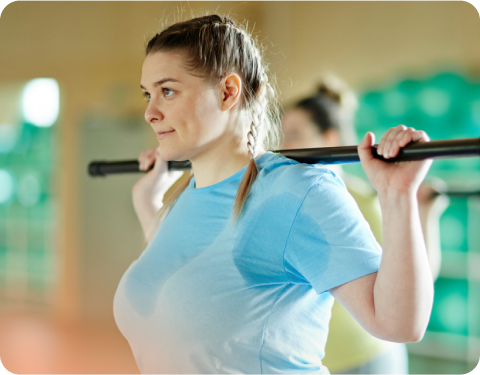

Weight loss injections (WLIs) such as Mounjaro and Wegovy can be really effective at helping people to lose weight. However, some studies have shown that as well as helping people to lose fat, it’s possible for muscle mass to be lost too.1 This could be a potential problem as muscle mass is important for a functional body.
Muscle loss happens because of the way the active drugs (GLP-1 receptor agonists) found in WLIs work. These drugs suppress your appetite to make you feel fuller for longer, making it easier to cut back on calories.
Your body needs at least 0.8 grams per kilogram of body weight of protein a day.6 If you’re not meeting this target, your body may start to use alternative protein sources, such as your muscle. This means it starts to break down muscles to convert for energy, causing you to lose muscle mass. A low muscle mass can contribute to the development of certain illnesses like sarcopenia and cardiovascular disease.
Fortunately, this loss can be minimised by implementing a high-protein diet and through strength training exercises. This combination can stimulate muscle production which should reduce the risk of illnesses related to low muscle mass.
The importance of muscle mass
When you start a weight loss journey it can be exciting to see the numbers drop on the scales. But if the weight you’ve lost is muscle, it can be a little concerning. Approximately 15-25% of the total weight lost from using GLP-1 receptor agonists is lean body mass, with some studies showing this can go up to 40%.2 Muscle mass is essential for our physical well-being for a number of reasons, it can:
- Reduce the risk of sarcopenia – Sarcopenia is a musculoskeletal disease that causes the gradual loss of muscle mass. This can make walking, carrying heavy objects, climbing stairs, and other activities much more difficult. It can also lead to osteoporosis (weak bones), which can increase the risk of bone fractures.
- Increase metabolism rate – Basal metabolic rate (BMR) is largely determined by muscle mass. When you have a low muscle mass, your BMR slowed, which means fewer calories are burnt and more gets stored as fat. This also increases your risk of diabetes as a slow metabolism, paired with obesity it can lead to type 2 diabetes. 4
- Make bones stronger– Muscles and bones have a close relationship. When your muscles are strong, so are your bones. Similarly, if your muscles are weak your bones will likely be weak too. Your muscles put a healthy stress on your bones, which helps them become denser and stronger.3
- Treat and prevent back pain – Building muscles can strengthen the support needed for your spine, bones and joints. This keeps in balance, which helps reduce lower back pain.
- Reduce the risk of diabetes– Low muscle mass causes your metabolism to slow down, and when paired with obesity it can lead to type 2 diabetes. 4
You don’t need to stop weight loss injections to avoid muscle mass loss. Instead, making changes to your diet and lifestyle can be sufficient.
How does protein play a part?
Protein has many functions, from building and repairing bones and muscles, producing hormones, and maintaining metabolic rate. It’s also a great source of energy, so much so that low intake of protein can cause fatigue.
Amino acids are the building blocks of protein. There are a total of 20 amino acids, 9 of which are essential, which means they can only be obtained through your diet alone.5 They help build different protein molecules for the body’s various needs.
Ideally, your protein intake should be at least 0.8 grams per kilogram of body weight, and this number increases as you get older.6 If you’re using weight loss injections, you should aim to consume 60 grams of protein daily (if you’re 12 stones or 75kg), with individuals with a higher BMI aiming for more.7 Additionally, if you’re physically active and engage in regular exercise, which is often advised during weight loss programs, your protein intake should be in the range of 1.4 to 2.0 grams per kilogram of body weight per day.7
When trying to meet your daily protein goal, consider varying your protein options between animal-based and plant-based. This way you’ll get a range of amino acids, vitamins and nutrients. This might make tracking your protein more challenging, as different protein sources contain different amounts of protein. For example, 100g of chicken breast contains 31g of protein, while 100g of kidney beans only has 24 g of protein. To make protein tracking more manageable, you could use a food app or search online for the protein content.
Protein content of several common foods:8
- 100g of salmon contains 24g amount of protein
- 100g of tuna contains 28g of protein
- 100g of tofu contains 8g of protein
- 100g of boiled lentils contains 9g of protein
- ¼ cup of whole almonds contains 7g amount of protein
- 100g of cheddar cheese contains 25g of protein
- 100g of fat-free Greek yoghurt contains 10g of protein.
Is protein powder good for you?
If you’re struggling to meet your protein needs through diet alone, protein powders can help you reach the requirements. There are many types of protein powders, from dairy options, like whey, to plant-based options, such as pea and soy-based powders.
Protein supplements, including powders, shakes, and bars can be a great way to add in extra protein to your diet. Some of the benefits of taking supplements may include:
- reducing the level of muscle soreness experienced after exercise when compared with water.
- increasing lean body mass, muscle mass and strength.7
However, relying solely on protein supplements should be avoided as doing so can negatively affect your health. It could lead to nutrient deficiencies and contribute to insulin resistance and the potential development of type 2 diabetes. Many are also ultra processed with added sugars and artificial flavourings. Additionally, consuming too much protein and insufficient carbohydrates could lead to kidney stone formation.7
This shouldn’t put you off from taking protein supplements. When taken responsibly alongside a well-balanced diet and healthy lifestyle, protein supplements can be beneficial. In fact, many protein powders are fortified with vitamins, which, when combined with a healthy calorie-deficit diet, can help meet your daily nutrient requirements.
How can exercise help muscle mass?
The simplest answer is that exercise helps muscles grow bigger and stronger.
Now for the longer answer… Working out, especially through strength training, causes tiny tears in your muscle fibres. This is known as trauma or muscle injury, and is a normal part of the muscle-building process. After a workout, your body starts to repair the tears. As your body repairs itself, it strengthens the muscle fibres, making them thicker and stronger than before. This process is known as muscle hypertrophy. This is usually the reason for muscle soreness, which often occurs as a result of this repair process. 9
Strength training is usually the most effective type of exercise for building muscle mass. While cardio can contribute to muscle growth, its effects are less significant. Instead cardio is more effective for burning calories. This means when it comes to weight loss, a combination of both is the ultimate weapon.
Do I have to exercise when using weight loss injections?
Weight loss injections make you feel fuller for longer, causing you to eat fewer calories. Technically this can help you lose weight, even without exercise. However, numerous studies have found that exercising whilst using weight loss injections can speed up weight loss.10 Furthermore, to prevent the loss of muscle mass, strength training is key.
How do I start with strength training?
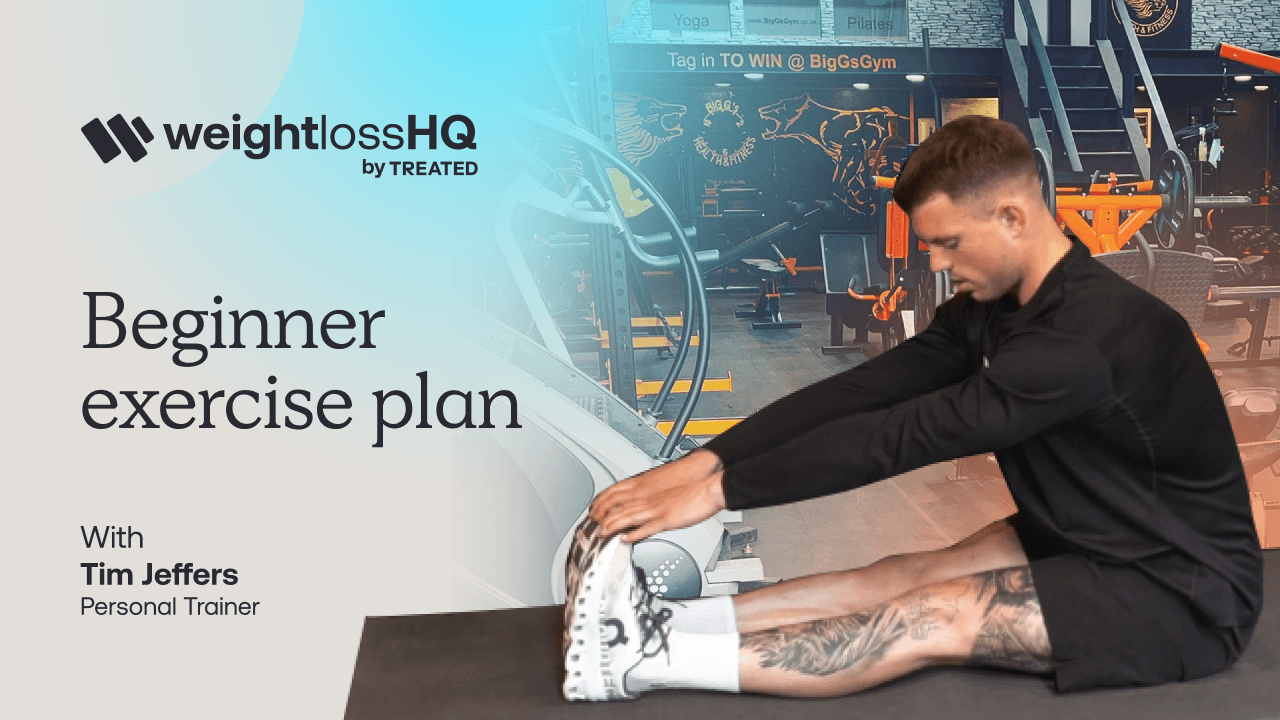
Strength training (or resistance training) targets your muscles to improve strength and endurance. When using weight loss injections, strength training exercises should be incorporated into your weekly exercise routine at least two or three times to help preserve and build lean muscle mass.
If you’re new to strength training, here’s a short guide on how to get started:
Muscle groups
There are seven major muscle groups: the chest, shoulders, abdomen, back, arms, glutes and legs. When working your muscles it’s crucial to work out all seven of these muscle groups with different exercises. This way you’ll build muscle throughout the body.
These seven muscle groups can also be further divided into smaller ones. For instance, your arms have approximately 20 muscles and to target each muscle, you will need to do different exercises. In most cases, your workouts will target several muscle groups at once, so there is no need to perform hundreds of different workouts each time you exercise. Some are even considered all-rounder exercises, like push-ups and kettlebell swings, as they target multiple primary muscle groups. For a thorough guide on strength training, check out our targeting muscles guide.
Equipment
When most people think of strength training exercises, they assume it’s lifting weights. Whilst they aren’t entirely wrong, many exercises don’t require any weights. Some exercises use your own body weight to strengthen the muscles, which is great if you don’t have access to a gym or equipment. They include, but are not limited to:
- Squats
- Planks
- Push-ups
- Lunges
- Russian twists
- Burpees
If you have limited equipment, such as dumbbells or kettlebells, it gives you more options for your workouts. You can also modify your workouts, for instance, by adding weight to Russian twists to make them more challenging. If you want to perform an exercise that requires weights but don’t have access to any, you can substitute them for common household items like cans, water bottles, books, or a filled backpack.
Tracking
When you start to work out, tracking your progress is beneficial. You can use fitness apps or notebooks to track your weight, reps and sets for each exercise, or time for some endurance-related exercises. This will help you monitor your progress, make sure you’re targeting all the muscle groups and encourage you to reach your goals.
Aim to maintain or improve your muscle mass
To reap the full benefits of weight loss injections, they should be used alongside healthy and sustainable lifestyle changes. A combination of exercise and diet is important. Strength training exercises will help build and maintain muscle mass, and adopting a high-protein diet will prevent muscle loss. If you’re concerned about muscle loss, or any side effects, you should speak to your doctor.
- Uchiyama, S., Sada, Y., Mihara, S., Sasaki, Y., Sone, M., & Tanaka, Y. (2023). Oral Semaglutide Induces Loss of Body Fat Mass Without Affecting Muscle Mass in Patients With Type 2 Diabetes. Journal of Clinical Medicine Research, 15(7), 377-383.
- Wadden, T. A., Chao, A. M., Moore, M., Tronieri, J. S., Gilden, A., Amaro, A., Leonard, S., & Jakicic, J. M. (2023). The Role of Lifestyle Modification with Second-Generation Anti-obesity Medications: Comparisons, Questions, and Clinical Opportunities. Current Obesity Reports, 12(4), 453-473.
- Kaji, H. (2014). Interaction between Muscle and Bone. Journal of Bone Metabolism, 21(1), 29-40.
- Alabadi, B., Civera, M., Martinez-Hervas, S., Gomez-Cabrera, M. C., & Real, J. T. (2023). Low Muscle Mass Is Associated with Poorer Glycemic Control and Higher Oxidative Stress in Older Patients with Type 2 Diabetes. Nutrients, 15(14).
- Lopez MJ, Mohiuddin SS. Biochemistry, Essential Amino Acids. [Updated 2023 Mar 13]. In: StatPearls [Internet]. Treasure Island (FL): StatPearls Publishing; 2024
- Pendick, D. (2023). How much protein do you need every day? – Harvard Health Blog. [online] Harvard Health Blog.
- Samal, J. R. K., & Samal, I. R. (2018). Protein Supplements: Pros and Cons. Journal of Dietary Supplements, 15(3), 365–371.
- fdc.nal.usda.gov. (n.d.). FoodData Central. [online]
- Kwon, Y. and Kravitz, L. (2019). How Do Muscles Grow? [online] Unm.edu.
- Sandsdal, R.M., Juhl, C.R., Jensen, S.B.K. et al. Combination of exercise and GLP-1 receptor agonist treatment reduces the severity of the metabolic syndrome, abdominal obesity, and inflammation: a randomised controlled trial. Cardiovasc Diabetol 22, 41 (2023).
When we present you with stats, data, opinion or a consensus, we’ll tell you where this came from. And we’ll only present data as clinically reliable if it’s come from a reputable source, such as a state or government-funded health body, a peer-reviewed medical journal, or a recognised analytics or data body. Read more in our editorial policy.

Share your thoughts.
Was this info helpful?