There are a few different kinds of erectile dysfunction (ED) medication available. The one that’s best for you depends on how you’d prefer to take the medication, how quickly you need it to work, and how long you want it to last for.
The ‘strongest’ ED medication will be the one that works the best for you – more potent medication doesn’t necessarily mean a better outcome.

Last updated on Oct 10, 2025.

There are two broad categories of ED medications available: PDE5 inhibitors and topical options.
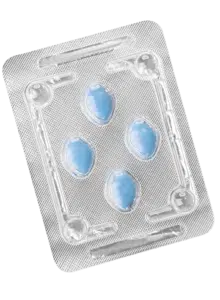
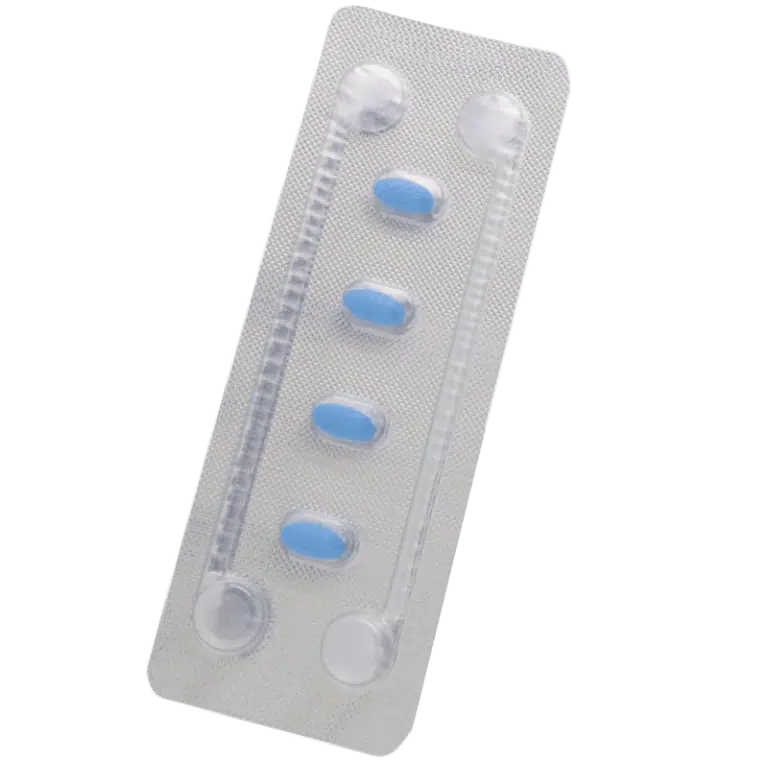
PDE5 inhibitors like Viagra (sildenafil), Stendra (avanafil), Cialis (tadalafil) and Levitra (vardenafil) are typically oral tablets that work by blocking an enzyme called phosphodiesterase type 5 (or PDE5).
This enzyme usually breaks down a chemical messenger called cyclic guanosine monophosphate, or cGMP. This means the levels of cGMP in your body increase, which helps widen blood vessels and relax the smooth muscles in and around your penis. This lets blood flow into the penis more easily, and helps you get and maintain an erection. But you won’t get an erection without stimulus – PDE5 inhibitors will just make it easier to get an erection when you’re aroused.
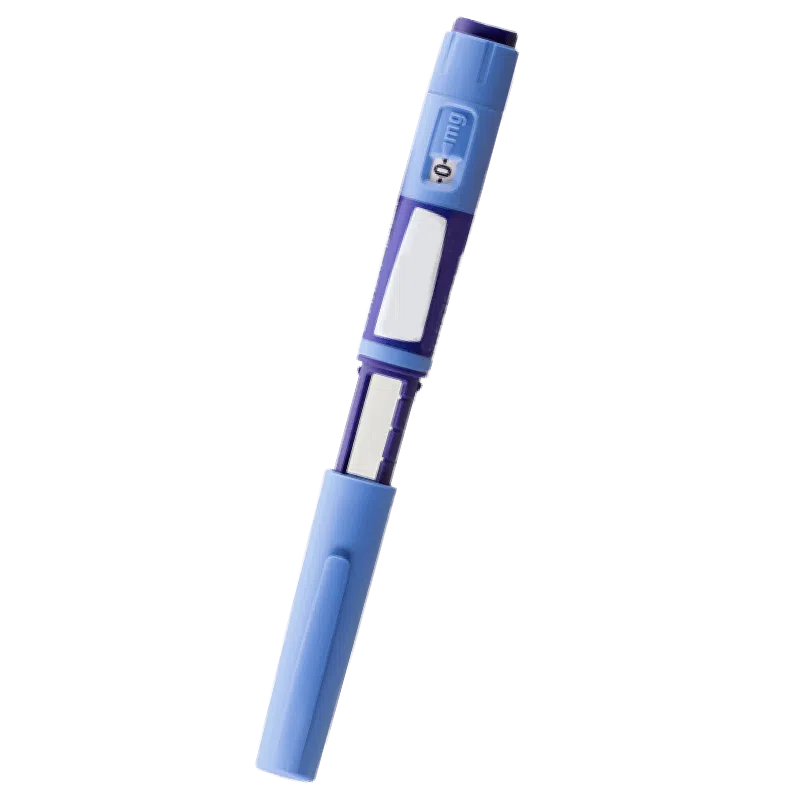
Injectable treatments work a little differently. Alprostadil is a man-made version of the hormone prostaglandin E1 (PGE1). It binds to receptors on the smooth muscle cells in and around your penis, helping to relax them. This allows blood to flow into your penis more easily, helping you get an erection. Because alprostadil uses a different pathway than PDE5 inhibitors, it can give you an erection even without any stimulus.
Alprostadil comes in an injectable solution (brand names: Caverject and Edex, but also available as a generic injection), or a pellet you insert into the tip of your penis (brand name: MUSE).
Many of these medicines come in different dosages, but the more potent doses don’t necessarily equate to stronger treatment. Taking a higher dose won’t give you ‘stronger’ or longer lasting erections than a lower dose, if that lower dose is effective for you – but it can increase your risk of side effects.
While the strongest dose of each ED medication isn’t a measure of how effective they will be, it can be useful to know how they compare to one another when deciding which is right for you. The strongest doses of each type of ED medication are:
The ‘strength’ of ED medication doesn’t always come down to the potency of the dosage. How quickly the medicine works, its effectiveness for you, and how well you tolerate the medication are all important factors.
For example, Cialis (tadalafil) might be considered ‘stronger’ by some people, because it lasts for up to 36 hours. This means it’s a good option for people who want to be covered all weekend, or for a short holiday.
Spedra is an ED tablet that can work in just 15 minutes, so might be considered ‘stronger’ by people who are looking for medicine that takes effect more quickly than other options.
Alprostadil is an injectable treatment that works in just 5-20 minutes, and can be effective when other ED options haven’t worked – so it might be considered ‘stronger’.
The ‘strongest’ ED medication for you isn’t the highest dosage available. It’s the lowest dosage of a medicine that works for you, and meets your needs. Taking higher doses of ED medication comes with more risk of side effects – especially if you don’t need that higher dose.
With so many different types of ED medications available, it can be difficult to narrow down which is right for you. While it doesn’t constitute medical advice, we’ve put together a decision tree to give you an idea of which treatment could suit your needs best.
Lifestyle can have a huge impact on ED, and you could notice improvements by making a couple of changes here and there to your daily habits. The following could all contribute to ED symptoms:
Not getting enough exercise and a poor diet can lead to high cholesterol and high blood sugar, damaging blood vessels and affecting flood flow. Eating a healthier, balanced diet, and aiming for 150 minutes of moderate exercise each week can help improve your cardiovascular health and cholesterol levels, which could help improve your erections.
Similarly, smoking can cause your blood vessels to narrow, restricting blood flow and leading to ED. These blood vessels can heal after quitting smoking – although it can take years for them to recover. But combining quitting smoking with other lifestyle changes in the meantime will help to improve your cardiovascular health, and your erections.
You’ve probably heard some euphemisms to describe alcohol’s effect on erections – but they exist for a reason. Drinking alcohol can lower your blood pressure, which can cause your body to restrict blood vessels to try and bring it back up. This constriction can make it more difficult for blood to flow into the penis to produce an erection. What’s more, alcohol also has an effect on your central nervous system – dulling sexual sensations, which can make it more difficult to stay aroused and maintain an erection.
But it’s not always physiological causes that can lead to erectile dysfunction – psychological factors can have a similar impact. Performance anxiety, stress, and depression can all cause ED, too. But you shouldn’t have to face these issues alone. Talking to your partner, either privately or in couples therapy sessions, can really help. Evidence suggests up to 70% of cases of psychological ED can be resolved when a partner is involved in the therapy.
And while it’s easier said than done, reducing your stress levels can also have a positive impact. Talking to friends or family about the causes of your stress and how you’re feeling is a great starting point. Making time for exercise can help reduce your stress levels, too – as well as improving blood flow around your body (which can help address underlying physiological causes as well). Going to bed at the same time each night to develop a healthy sleep schedule is really important, too.
So while you may be wondering what the strongest medication for erectile dysfunction is, sometimes it’s helpful to think about the simplest approaches – which can be making adjustments to your lifestyle.
Speaking to a clinician is often the best way to find the ED treatment that’s best for you. They’ll look at how severe your ED is, whether you have any underlying health conditions that could be contributing to it, how long you want your medication to last, and they’ll often ask if you have any preferences on how you’d like to approach taking your medication.
From here, they’ll be able to recommend ED treatment options that are suitable for you and your lifestyle.
If you’d like to get the process started, get a diagnosis, and (or) choose the ED treatment that suits you best, we can help.
DE5 Inhibitors. StatPearls. Treasure Island (FL): StatPearls Publishing.
Clinical use of alprostadil topical cream in patients with erectile dysfunction: a review. Research and Reports in Urology. 8. pp. 123-131.
Aviptadil / phentolamine Intracavernosal Injection (Invicorp) for Erectile Dysfunction. NHS.
Understanding Smoking’s Effect On Your Blood Vessels. Healthline. February 27.
Can Alcohol Cause Erectile Dysfunction? Healthline. May 19.
The New Sex Therapy. In: Marmor, J., Woods, S.M. (eds) The Interface Between the Psychodynamic and Behavioral Therapies. Critical Issues in Psychiatry. Springer, Boston, MA.
Sourcing guidelines:
When we present you with stats, data, opinion or a consensus, we’ll tell you where this came from. And we’ll only present data as clinically reliable if it’s come from a reputable source, such as a state or government-funded health body, a peer-reviewed medical journal, or a recognised analytics or data body. Read more in our editorial policy.
Have a subject you’d like us to cover in a future article? Let us know.
We're making healthcare more about you. Sign up to our newsletter for personalized health articles that make a difference.
Disclaimer: The information provided on this page is not a substitute for professional medical advice, diagnosis, or treatment. If you have any questions or concerns about your health, please talk to a doctor.
Authorised and Regulated by:
We couldn't find what you're looking for.
Here's everything we treat. Or, if you're looking for something we don't have yet, you can suggest something.
(And leave your email too, so we can let you know if we write an article based on your suggestion.)
Last updated on Oct 10, 2025.

Our experts continually monitor new findings in health and medicine, and we update our articles when new info becomes available.
Oct 10, 2025
Published by: The Treated Content Team. Medically reviewed by: Dr Alexandra Cristina Cowell, Writer & Clinical Content ReviewerHow we source info.
When we present you with stats, data, opinion or a consensus, we’ll tell you where this came from. And we’ll only present data as clinically reliable if it’s come from a reputable source, such as a state or government-funded health body, a peer-reviewed medical journal, or a recognised analytics or data body. Read more in our editorial policy.