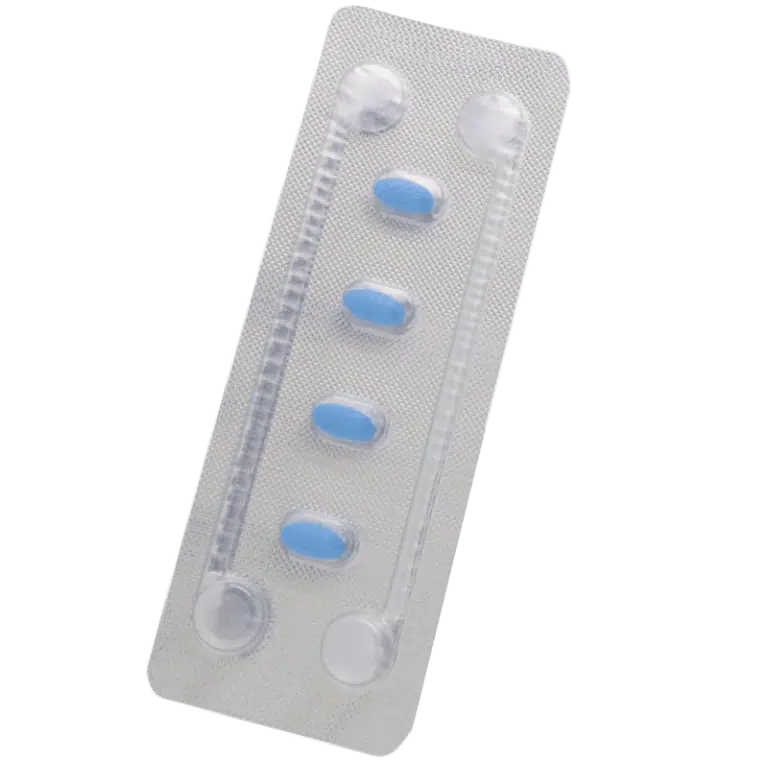
Terazosin is a blood pressure medication that can also treat benign prostatic hyperplasia (BPH), a condition which causes an enlarged prostate. BPH can cause symptoms like difficulty urinating, increased urination, or inability to pee.
You won’t always need treatment for BPH, but if your symptoms make everyday life challenging, you might need a medication like Terazosin.
How does Terazosin work?
Smooth muscle tension in the prostate gland contributes to BPH, which can lead to a blocked bladder and make it hard to pee.
Terazosin, an alpha-1 adrenergic receptor antagonist, helps relax these smooth muscles, reducing tension in both your prostate and bladder. This can help ease your symptoms and make it easier to pee.[1]
What doses of Terazosin are there?
Terazosin is available in four doses: 1 mg, 2 mg, 5 mg and 10 mg.
The initial dose tends to be 1 mg daily for a week, followed by 2mg daily for the second and third weeks, then 5 mg a day in the fourth week. After this, your doctor will decide whether to keep you on the maintenance dose of 5 mg or move you up to the maximum daily dose of 10 mg.
This page was written by The Treated Content Team.
This page was medically reviewed by Dr Alexandra Cristina Cowell on April 03, 2025. Next review due on April 03, 2028.
How we source info.
When we present you with stats, data, opinion or a consensus, we’ll tell you where this came from. And we’ll only present data as clinically reliable if it’s come from a reputable source, such as a state or government-funded health body, a peer-reviewed medical journal, or a recognised analytics or data body. Read more in our editorial policy.
TerazosinTerazosin
How to take Terazosin
To take Terazosin:
Swallow it whole, with water, once a day.
It should be taken close to bedtime.
You can take it with or without food
It’s important to follow your dosage guidelines accurately. Taking the wrong dose can worsen side effects.
If you stop taking Terazosin for a week, don’t restart treatment without your doctor’s supervision. Your doctor may suggest lowering your dose to reduce the risk of side effects.
Terazosin can make you feel lightheaded and dizzy. This can be worsened when you drink alcohol, so try to avoid it while taking Terazosin.
How long does Terazosin take to work?
Terazosin works relatively quickly, with most of the drug being absorbed within an hour. Its effects can last up to 12 hours, after which it begins to decline.[1]
This doesn’t mean you’ll see an immediate improvement in your symptoms, though, as it can take a couple of weeks to build up a noticeable effect.
What should I do if I make a mistake when taking Terazosin?
If you accidentally take more Terazosin than you should you may get the following overdose symptoms:
Dizziness
Confusion
Fainting
Shortness of breath
Low blood pressure
Irregular heartbeat
Check the package insert for a full list of symptoms. If you experience any of them, contact your local casualty department for medical advice.
If you forget a dose, take it as soon as you remember. If it’s nearly time for your next scheduled dose, though, skip it and continue taking the medicine as normal.
This page was written by The Treated Content Team.
This page was medically reviewed by Dr Alexandra Cristina Cowell on April 03, 2025. Next review due on April 03, 2028.
How we source info.
When we present you with stats, data, opinion or a consensus, we’ll tell you where this came from. And we’ll only present data as clinically reliable if it’s come from a reputable source, such as a state or government-funded health body, a peer-reviewed medical journal, or a recognised analytics or data body. Read more in our editorial policy.
TerazosinTerazosin
Terazosin isn’t suitable for everyone, and there are some things that you need to be aware of when taking it.
Here’s all the official info on it. If anything is unclear, let our doctor know, and they can talk with you about it.
TerazosinTerazosin
Terazosin: FAQ
Have something specific you want to know? Search our info below, or ask our experts a question if you can’t find what you’re looking for.
How does Terazosin compare with Tamsulosin?
Answer:
Although both Terazosin and Tamsulosin work by relaxing the smooth muscles in your prostate, there are a few differences between them, such as their:
Active ingredient - Terazosin is an alpha-1 adrenergic receptor antagonist, while Tamsulosin is an alpha-1 blocker. As a result, they both work in slightly different ways to relieve your symptoms.
Dose - Terazosin is available in four doses: 1 mg, 2 mg, 5 mg and 10 mg, while Tamsulosin comes in a single dose of 400mcg. This means there’s more flexibility in dosing with Terazosin.
Effectiveness - Tamsulosin was found to be more effective than Terazosin in improving urinary symptoms. But there was no major difference in quality of life, urinary flow rate and prostate size.[1]
Side effects - Studies have shown that you’re more likely to get side effects with Terazosin than with Tamsulosin.[1]
Overall, both have pros and cons, it’s up to you which you choose. If you’re unsure, your doctor can help you decide.
Will I get side effects using Terazosin?
Answer:
There's a chance of getting side effects when taking Terazosin. Some common ones include:
Dizziness
Nervousness
Blurred vision
Palpitations
Nausea
Impotence
Digestive issues
Tingling sensation
Nasal congestion
Fast heartbeat
Light-headedness
Chest pain
Headache
Fainting when standing
For the full list of side effects, check the package insert.
Not everyone will experience these side effects, but if you do, here are some ways you can manage them:
Dizziness, light-headedness, fainting - Don’t make sudden movements. Slowly stand up after lying down or sitting. Limit your alcohol intake and stay hydrated.
Nausea, diarrhoea, constipation - Eat small, frequent meals. Opt for bland and less spicy foods.
If the side effects become unmanageable, inform your doctor. They may lower your dose or suggest an alternative treatment.
What is Terazosin used for?
Answer:
Terazosin is an alpha-1 adrenergic receptor antagonist. It relaxes the smooth muscles, helping lower blood pressure. This makes it suitable for treating high blood pressure and benign prostatic hyperplasia (BPH).
Is there a branded version of Terazosin?
Answer:
Terazosin is the generic version of Hytrin. Both treatments contain the same active ingredient in the same concentration, so you shouldn't notice a difference in how well they work. Some of the key differences are the packaging, the non-active ingredients and the prices. Generally, the generic version tends to be cheaper.
Treated trusted source:
Dong Z, Wang Z, Yang K, et al.Tamsulosin versus terazosin for benign prostatic hyperplasia: a systematic review. 2009. In: Database of Abstracts of Reviews of Effects (DARE): Quality-assessed Reviews [Internet]. York (UK): Centre for Reviews and Dissemination (UK).
Last updated on Apr 02, 2025.
How we reviewed this page:
Our experts continually monitor new findings in health and medicine, and we update our articles when new info becomes available.
Apr 02, 2025
Published by: The Treated Content Team.Medically reviewed by: Dr Alexandra Cristina Cowell, Writer & Clinical Content Reviewer
How we source info.
When we present you with stats, data, opinion or a consensus, we’ll tell you where this came from. And we’ll only present data as clinically reliable if it’s come from a reputable source, such as a state or government-funded health body, a peer-reviewed medical journal, or a recognised analytics or data body. Read more in our editorial policy.
This is healthcare on your terms.
All from the comfort of your device. Get access to what you need, when you need it.
100% online
Ask questions and get expert recommendations, at the touch of a button.
Tailored choices
We'll narrow down some treatments for you to choose from based on your medical profile.
Secure shipping
Receive your treatment by express delivery, in discreet packaging.
Easy automatic refills
Set your own delivery schedule and pause or make changes any time you like.
We're making healthcare more about you. Sign up to our newsletter for personalised health articles that make a difference.
Disclaimer: The information provided on this page is not a substitute for professional medical advice, diagnosis, or treatment. If you have any questions or concerns about your health, please talk to a doctor.
Dr Alexandra Cristina Cowell
Writer & Clinical Content Reviewer
Cristina writes content for Treated, and reviews content produced by our other writers to make sure it’s clinically accurate.
When we present you with stats, data, opinion or a consensus, we’ll tell you where this came from. And we’ll only present data as clinically reliable if it’s come from a reputable source, such as a state or government-funded health body, a peer-reviewed medical journal, or a recognised analytics or data body. Read more in our editorial policy.
Reviews you can trust
All of our reviews are collected from real patients after their treatment has been delivered.
We publish reviews collected through independent platforms including Reviews.io and Trustpilot.