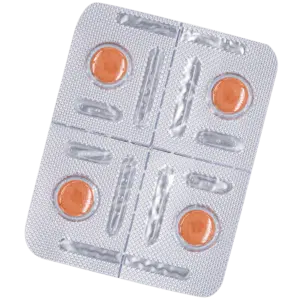
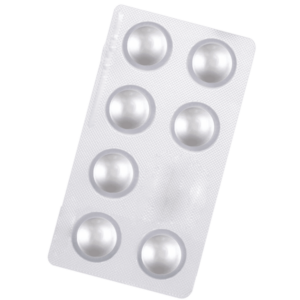
What is Terbinafine?
Terbinafine is an oral antifungal that can help treat athlete’s foot, a skin condition that causes an itchy, red, and flaky rash between or around the toes. The first choice treatments for athlete’s foot are typically topical antifungals like clotrimazole, but if that proves ineffective or your symptoms are severe, your doctor may recommend an oral treatment like Terbinafine.
Although formulations like creams or sprays containing terbinafine are approved for athlete’s foot, terbinafine tablets aren’t approved for this purpose. Even so, doctors often prescribe them, and because they’re not officially licensed for athlete’s foot, this is considered an “off-label” use.
How does Terbinafine work?
Terbinafine works by stopping the production of ergosterol, a key component of the fungal cell wall. Without a cell wall, the fungus can’t grow and survive, which eventually leads to its expiry.[1] As Terbinafine works systemically, it’s more effective than topical antifungal treatment, making it useful for stubborn cases of athletes’ foot.[2]
Will I get side effects with Terbinafine?
Like all medicines, there’s a risk of getting side effects when taking Terbinafine, although not everyone will experience them. Some common examples include:
- Loss of appetite
- Stomach ache
- Diarrhea
- Nausea
- Joint pain
- Rash
The side effects should subside as your body adjusts to the treatment and go away once you finish the treatment course. If you have any concerns, ask your clinician during your consultation. For the full list of side effects, check the package leaflet that comes with your medicine.
What doses of Terbinafine are there?
Terbinafine comes in a single dose of 250 mg. The typical dosage is one tablet daily for up to six weeks. Your doctor will decide how long you need to take it for based on how severe your symptoms are.
How we source info.
When we present you with stats, data, opinion or a consensus, we’ll tell you where this came from. And we’ll only present data as clinically reliable if it’s come from a reputable source, such as a state or government-funded health body, a peer-reviewed medical journal, or a recognised analytics or data body. Read more in our editorial policy.