


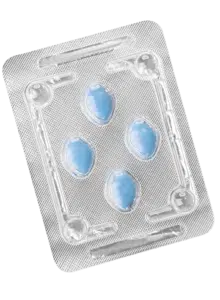
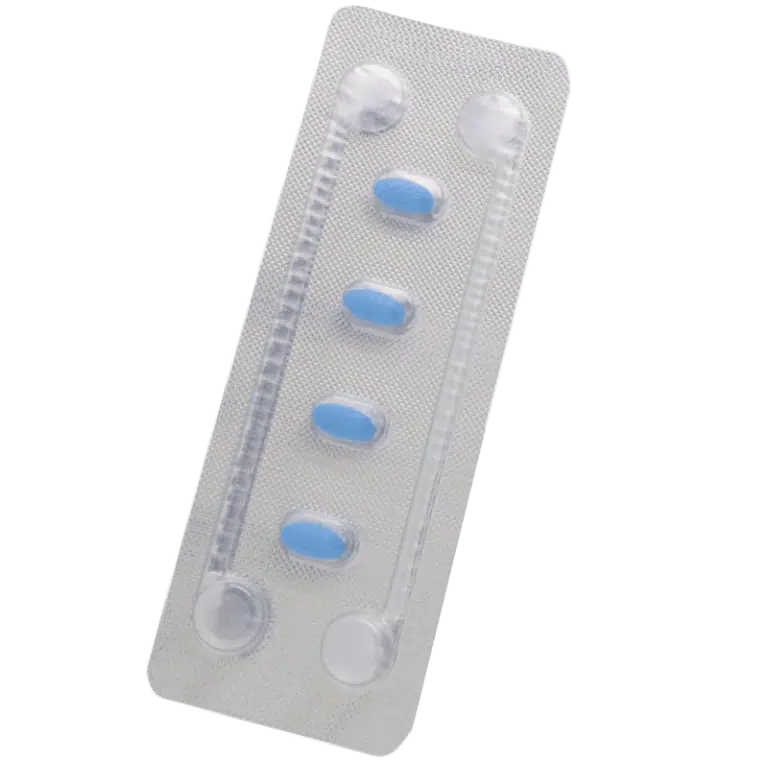


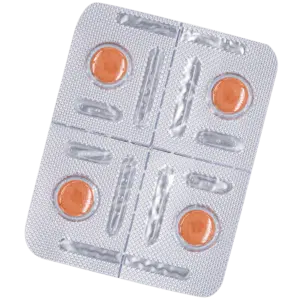








Yes, you’ve got options when it comes to rosacea treatment. If azelaic acid hasn’t been effective, an antibiotic like doxycycline might be more suitable for you. Doxycycline fights off the bacteria responsible for rosacea symptoms – so if your rosacea is caused by bacteria, it could be a really effective treatment. Lower doses of doxycycline can also be used to treat rosacea because they can help reduce inflammation, which is another factor that may contribute to the condition.
There are other non-antibiotic options available, too. A meta-analysis comparing azelaic acid 20%, ivermectin 1%, minocycline 1.5%, and metronidazole 0.75% found that while azelaic was more effective at treating rosacea, it had the most side effects. Ivermectin was the second most effective, but also had fewer side effects than azelaic acid.[1] So if you’re looking for an alternative because you’re experiencing side effects, ivermectin might be a good choice.


How to exercise safely when you have asthma
Thankfully, exercising with asthma isn’t impossible. It can take a little bit of planning, but the…
December 19, 2025
Read more

What is an asthma attack?
Knowing the signs of an asthma attack and what to do is really important if you or someone you know …
December 19, 2025
Read more

Can taking weight loss injections lower your risk of getting dementia?
Everything you need to know about Wegovy and how it may lower the risk of neurodegenerative diseases…
December 12, 2025
Read more