
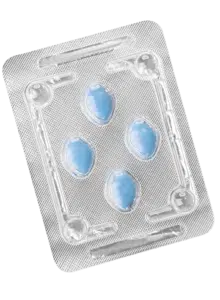
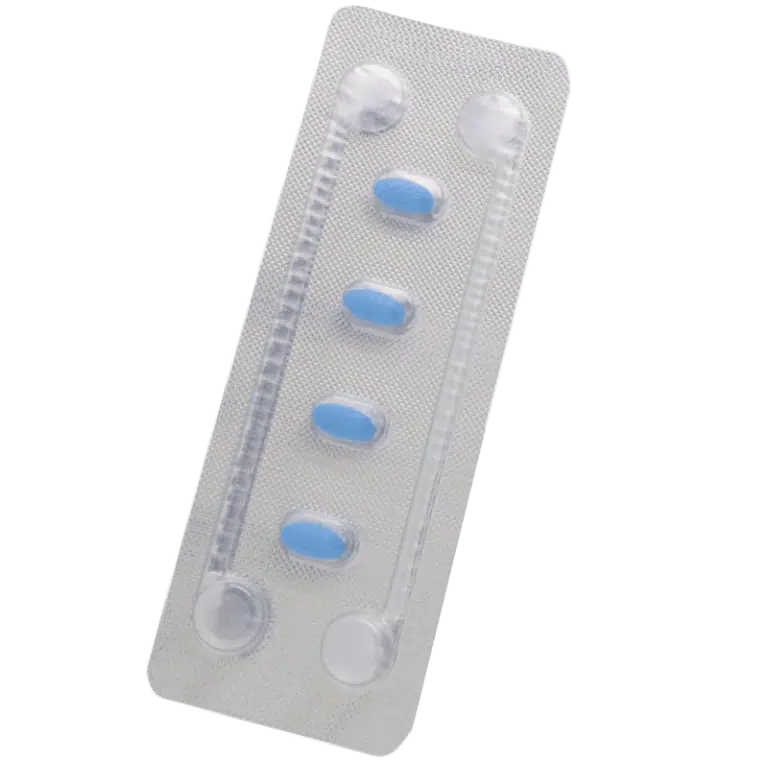

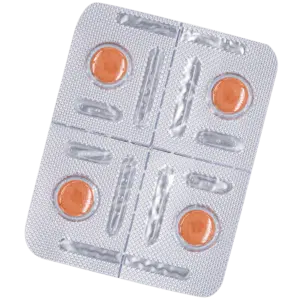


Zetia is a medicine that’s used alongside a low-cholesterol diet to treat high cholesterol. This is where there’s too much “bad” cholesterol, called low-density lipoprotein (or LDL) cholesterol, in your blood. Large amounts of cholesterol in your blood can cause your blood vessels to narrow and block, increasing your risk of heart disease or stroke.
Zetia can be used to treat high cholesterol on its own, or alongside other cholesterol medications called statins or fibrates.
How does Zetia work?
The active ingredient in Zetia is known as ezetimibe, and it’s a little different from most other cholesterol medications. It works in your small intestine to reduce the amount of cholesterol you absorb from your food, so less is transported from your intestine to your liver. This means your liver is better able to clear cholesterol in your blood, lowering your overall levels.[1] That’s why it’s really important that you eat a low-cholesterol diet while taking Zetia – because a healthy diet helps make it even more effective in reducing cholesterol levels.
Because Zetia works differently than statins, the two treatments can be used together to increase their effectiveness. While Zetia limits how much cholesterol you absorb from food, statins reduce the amount produced by your liver. This allows your liver to better remove cholesterol from your blood.
And studies show that using both treatments together leads to additional cholesterol-lowering effects. A 2018 literature review found that combining ezetimibe with statins led to a significantly greater total lowering of LDL cholesterol (34-61%) compared to using statins alone.[2]
What doses does Zetia come in?
Zetia only comes in one dose, a 10 mg tablet you’ll take once a day. So if Zetia 10mg doesn’t help to reduce your cholesterol, you might need to try an alternative treatment – or take Zetia in combination with other cholesterol lowering drugs like statin (because there aren’t any other doses of Zetia available).
This page was written by The Treated Content Team.
This page was medically reviewed by Dr Alexandra Cristina Cowell on March 14, 2025. Next review due on March 14, 2028.
How we source info.
When we present you with stats, data, opinion or a consensus, we’ll tell you where this came from. And we’ll only present data as clinically reliable if it’s come from a reputable source, such as a state or government-funded health body, a peer-reviewed medical journal, or a recognised analytics or data body. Read more in our editorial policy.
ZetiaEzetimibe
How to take Zetia
Before you start taking Zetia, it’s important to start a low-cholesterol diet to get the most out of your treatment. Keep this diet up while you’re using Zetia to get the best results.
You’ll take your Zetia tablet once a day, and you can take it with or without food. Try taking your tablet around the same time every day to get into the habit, so you don’t accidentally miss your dose (setting an alarm can help). You can take Zetia whenever it works for you. Studies indicate the time you take ezetimibe has no effect on how well it’ll work.[1]
If you’re using a statin alongside Zetia, you can take both medicines at the same time.
If you’re using a different medication that contains the active ingredient colestyramine (or any type of bile acid sequestrant) you’ll need to take Zetia at least two hours before or four hours after the sequestrant.
How long does it take for Zetia to work?
Zetia’s active ingredient ezetimibe gets absorbed really quickly, with it reaching maximum concentration in your body within four hours of taking your tablet.[2] But it usually takes about two weeks of taking Zetia before it has a noticeable effect on your cholesterol levels.[3]
What should I do if I make a mistake taking Zetia?
You should always take Zetia exactly as your physician has told you to. If you forget to take your dose of Zetia, unless it’s almost time for your next dose, you can take it as soon as you remember. But if it is close to your next dose, skip the one you missed and continue your schedule as normal from there. Never take two tablets at once to make up for missing a dose.
If you accidentally take too much Zetia, let your clinician know. But you can rest easy knowing that in clinical studies, there were no reported adverse effects to elevated doses of Zetia.[3]
Treated trusted source:
Yoon, HS. et al. (2011). Comparison of effects of morning versus evening administration of ezetimibe/simvastatin on serum cholesterol in patients with primary hypercholesterolemia. Annals of Pharmacotherapy. 45(7-8). pp. 841-849.
This page was written by The Treated Content Team.
This page was medically reviewed by Dr Alexandra Cristina Cowell on March 14, 2025. Next review due on March 14, 2028.
How we source info.
When we present you with stats, data, opinion or a consensus, we’ll tell you where this came from. And we’ll only present data as clinically reliable if it’s come from a reputable source, such as a state or government-funded health body, a peer-reviewed medical journal, or a recognised analytics or data body. Read more in our editorial policy.
ZetiaEzetimibe
Zetia isn’t suitable for everyone, and there are some things that you need to be aware of when using it.
Here’s all the official info on it. If anything is unclear, let our clinician know, and they can talk with you about it.
ZetiaEzetimibe
Zetia: FAQ
Have something specific you want to know? Search our info below, or ask our experts a question if you can’t find what you’re looking for.
Are there any Zetia alternatives?
Answer:
If you’re looking for another high cholesterol treatment that’s similar to Zetia, there’s a generic version named after its active ingredient: Ezetimibe. But if ezetimibe isn't enough to manage your high cholesterol, using a type of medication called a statin either instead of (or alongside) ezetimibe can be more effective.
Clinical studies report that using ezetimibe on its own reduced LDL cholesterol in those with high cholesterol by 10-18%, while combined ezetimibe and statin therapy increased this to 34-61%.[1] So if your cholesterol levels aren’t being managed well enough by ezetimibe or statins alone, using both treatments together could be a good option. Brands like Roszet and Lypqozet combine statin and ezetimibe therapy into one treatment for ease of use.
How effective is Zetia?
Answer:
Zetia’s active ingredient, Ezetimibe, is clinically proven to help lower LDL cholesterol when taken alongside a low-cholesterol diet. Studies have shown that using ezetimibe on its own can reduce LDL cholesterol by 10-18%,[1] with an analysis of eight clinical trials reporting that ezetimibe was associated with a mean 18.58% reduction in LDL cholesterol levels compared with placebo.[2]
Do I need a prescription to use Zetia?
Answer:
Yes. Zetia isn’t suitable for everyone, so a clinician will need to check if it's the right option for you before you take it. Your healthcare provider will need to monitor your LDL-cholesterol levels while you’re using Zetia, too – to make sure your treatment is working as it should. If it isn’t, they might be able to recommend an alternative.
Are there any Zetia side effects?
Answer:
There’s a risk of some side effects when you use Zetia, just like with any medication you might take.
Serious side effects to be aware of include:
An increase in liver enzymes. Your clinician may request blood tests to check your liver enzyme level before you start treatment, and while you’re using it.
Tender, weak, and painful muscles, or a fever. This can be a sign of muscle breakdown, also known as rhabdomyolysis.
But the good news is that these side effects aren’t very common. The Zetia side effects you’re most likely to get include:
Upper respiratory tract infection
Joint pain
Arm or leg pain
Diarrhea
Inflamed sinuses
Fatigue
Flu-like symptoms
If you have any questions or concerns about Zetia side effects, speak to your healthcare provider, or take a look at the patient information leaflet.
Pandor, A. et al. (2008). Ezetimibe monotherapy for cholesterol lowering in 2,722 people: systematic review and meta-analysis of randomized controlled trials. Journal of Internal Medicine. 265(5). pp. 568-580.
Last updated on Mar 13, 2025.
How we reviewed this page:
Our experts continually monitor new findings in health and medicine, and we update our articles when new info becomes available.
Mar 13, 2025
Published by: The Treated Content Team.Medically reviewed by: Dr Alexandra Cristina Cowell, Writer & Clinical Content Reviewer
How we source info.
When we present you with stats, data, opinion or a consensus, we’ll tell you where this came from. And we’ll only present data as clinically reliable if it’s come from a reputable source, such as a state or government-funded health body, a peer-reviewed medical journal, or a recognised analytics or data body. Read more in our editorial policy.
This is healthcare on your terms.
All from the comfort of your device. Get access to what you need, when you need it.
100% online
Ask questions and get expert recommendations, at the touch of a button.
Tailored choices
We'll narrow down some treatments for you to choose from based on your medical profile.
Secure shipping
Receive your treatment by express delivery, in discreet packaging.
Easy automatic refills
Set your own delivery schedule and pause or make changes any time you like.
We're making healthcare more about you. Sign up to our newsletter for personalised health articles that make a difference.
Disclaimer: The information provided on this page is not a substitute for professional medical advice, diagnosis, or treatment. If you have any questions or concerns about your health, please talk to a doctor.
Dr Alexandra Cristina Cowell
Writer & Clinical Content Reviewer
Cristina writes content for Treated, and reviews content produced by our other writers to make sure it’s clinically accurate.
When we present you with stats, data, opinion or a consensus, we’ll tell you where this came from. And we’ll only present data as clinically reliable if it’s come from a reputable source, such as a state or government-funded health body, a peer-reviewed medical journal, or a recognised analytics or data body. Read more in our editorial policy.
Reviews you can trust
All of our reviews are collected from real patients after their treatment has been delivered.
We publish reviews collected through independent platforms including Reviews.io and Trustpilot.