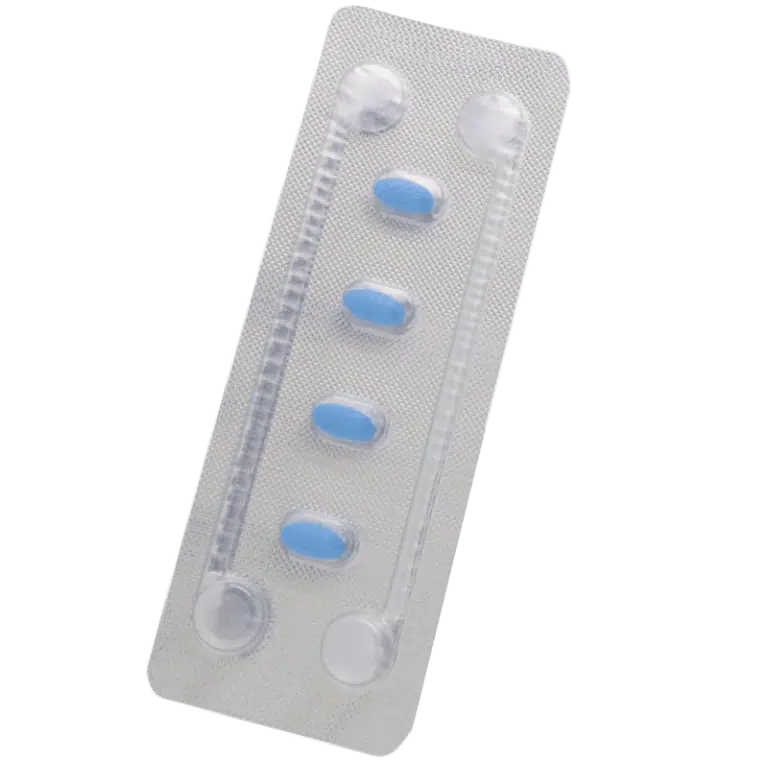
What is Trelegy Ellipta?
Trelegy Ellipta is a triple combination treatment for chronic obstructive pulmonary disorder (COPD). It contains a corticosteroid and bronchodilators to improve lung function and prevent future flare-ups.
COPD is caused by the tightening of the airways, which makes it difficult to breathe. Other symptoms may include persistent coughing and wheezing. Using Trelegy Ellipta daily can help prevent these symptoms.
How does Trelegy Ellipta work?
Trelegy Ellipta works in two ways to relieve COPD symptoms:
- Fluticasone furoate is a corticosteroid that reduces swelling in the airways. This opens them up, making it easier to breathe.[1]
- Umeclidinium bromide and vilanterol trifenatate are long-acting bronchodilators that relax and open up the airways.[2]
Together, all three make it easier to breathe and help alleviate COPD symptoms.
Is there a generic version of Trelegy Ellipta?
No, there’s no generic version of Trelegy Ellipta currently available. You may find treatments that contain the same active ingredient either as a standalone or in combination with another, but you won’t get all three together.
Will I get side effects using Trelegy Ellipta?
Like all medicines, Trelegy Ellipta can cause side effects, but not everyone gets them. The most common are:
- Sore throat
- Nose or throat infection
- Itchy nose
- Runny nose
- Pain in the nose or throat
- Sinus inflammation
- Common cold
- Headache
For the full list of side effects, check the medication guide.
These side effects should only last for a short while and subside after your body adjusts to the medicine. You can also rinse your mouth after using the inhaler to prevent side effects, such as a sore mouth and throat.
What doses of Trelegy Ellipta are there?
Trelegy Ellipta comes in one dose containing 100 mcg of fluticasone furoate, 62.5 mcg of umeclidinium bromide, and 25 mcg of vilanterol trifenatate. You’ll take one dose daily, which helps provide all-day relief.
How we source info.
When we present you with stats, data, opinion or a consensus, we’ll tell you where this came from. And we’ll only present data as clinically reliable if it’s come from a reputable source, such as a state or government-funded health body, a peer-reviewed medical journal, or a recognised analytics or data body. Read more in our editorial policy.