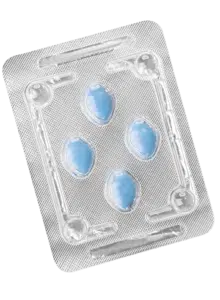
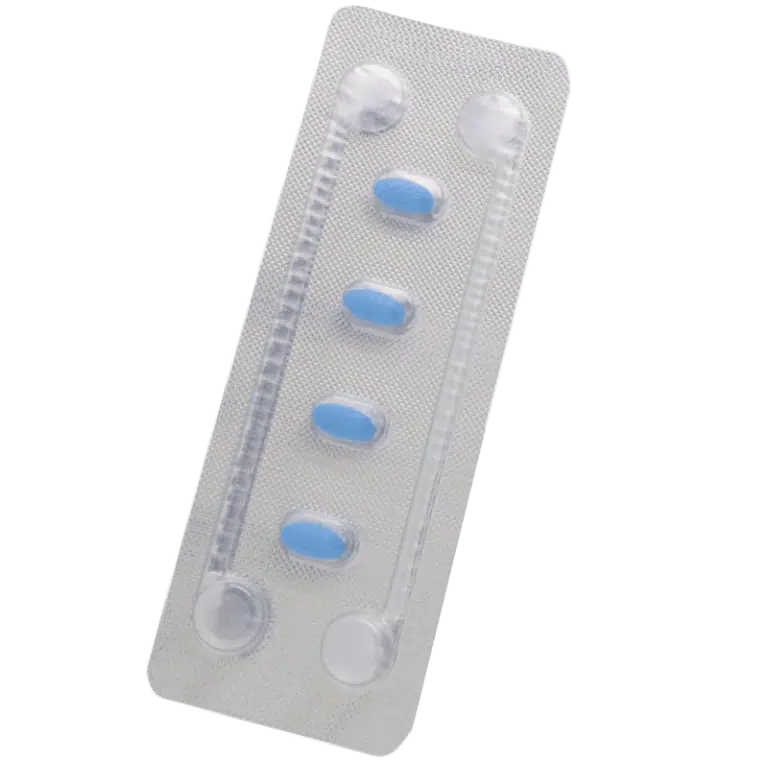
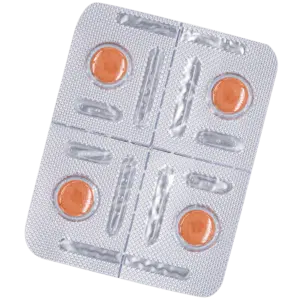
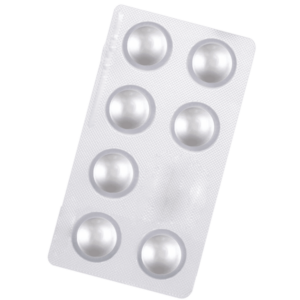
What is Toviaz?
Toviaz is a once-daily oral tablet for adults with overactive bladder and urinary incontinence. It helps to relax the bladder muscles, giving you better control and fewer sudden urges.
Toviaz contains the active ingredient fesoterodine, and belongs to a class of medications called anticholinergics. These are commonly prescribed to help people with urinary incontinence.
How does Toviaz work for urinary incontinence?
Overactive bladder happens when the muscles in your bladder contract too often or too strongly, even when it isn’t full. Toviaz works by blocking certain signals (muscarinic receptors) that cause those contractions.[2] This makes your bladder less “twitchy,” so you get fewer leaks, more time between bathroom visits, and better overall control.[1]
Will I get side effects using Toviaz?
Like all medications, Toviaz can cause side effects. The most common are dry mouth and constipation. These are often mild and can improve over time.[1][2]
Other possible side effects include headache, dizziness, or blurred vision, stomach upset, or indigestion.
There are some serious side effects you should know about too:
- Urinary retention (trouble emptying your bladder fully).
- Allergic reaction (swelling of lips, face, or throat)
If you notice any of these serious side effects, seek medical help right away.
In clinical studies, Toviaz didn’t show a higher risk of dementia or memory loss, which can be a concern with some bladder medications.[2] There’s no evidence it causes hair loss or significant weight gain.[1]
What doses of Toviaz are there?
Toviaz comes as 4mg and 8mg prolonged-release tablets. Most people start at 4mg once daily, and your doctor might increase this to 8mg if it’s needed to better manage your symptoms. Because it’s an extended-release tablet, it gives steady relief throughout the day.
Treated trusted source:
- Cgjonline.ca. (2025). View of Safety and Tolerability of Fesoterodine in Older Adult Patients with Overactive Bladder | Canadian Geriatrics Journal. [online]
- Ellsworth, P. (2009). Fesoterodine for the treatment of urinary incontinence and overactive bladder. Therapeutics and Clinical Risk Management, p.869.
How we source info.
When we present you with stats, data, opinion or a consensus, we’ll tell you where this came from. And we’ll only present data as clinically reliable if it’s come from a reputable source, such as a state or government-funded health body, a peer-reviewed medical journal, or a recognised analytics or data body. Read more in our editorial policy.