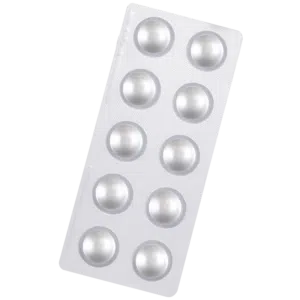
What is Solifenacin?
Solifenacin (brand name Vesicare) is a bladder treatment that’s part of a class of medicines called anticholinergics. It’s FDA-approved to treat symptoms of an overactive bladder, like urgency, frequency, and urge incontinence.
It works by targeting muscarinic receptors in the bladder, which are responsible for contractions. By blocking these signals, solifenacin helps to relax the bladder, so it can store more urine comfortably and cut down on leaks.[1]
How does Solifenacin work for urinary incontinence?
The mechanism of action of solifenacin is to block muscarinic receptors in the bladder muscle. These muscarinic receptors normally tell your bladder to contract. By blocking them, solifenacin works to reduce your involuntary contractions, which then eases urgency and incontinence.
Clinical trials show that both 5 mg and 10 mg doses of solifenacin significantly reduce the number of visits someone makes to the bathroom, urgency episodes, and accidents compared with a placebo (no treatment).[2] Some studies found that up to half of patients ‘achieved continence’ (resolution of incontinence symptoms) after treatment, and many also reported better sleep and general daily life.[2][3]
Will I get side effects using Solifenacin?
Like other anticholinergic medicines, solifenacin can cause side effects.
Common examples include:
- Dry mouth
- Constipation
- Blurred vision
- Stomach upset or diarrhea
- Drowsiness or dizziness
There are some other, less common, side effects to be aware of, such as:
- Weight gain (reported in some patients, especially with long-term use)[4]
- Blood pressure changes (these are generally small, but solifenacin should be used with caution if you have heart rhythm problems)[4]
- Cognitive effects in the elderly (studies show older patients can be more prone to confusion or memory issues with anticholinergics)[5]
Serious side effects are uncommon, but can include urinary retention (difficulty peeing), severe constipation, or allergic reactions. If you experience any of these, stop using solifenacin and seek medical help.
What doses of Solifenacin are there?
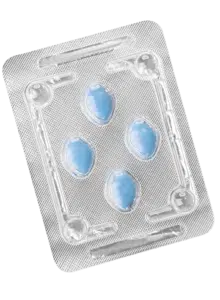
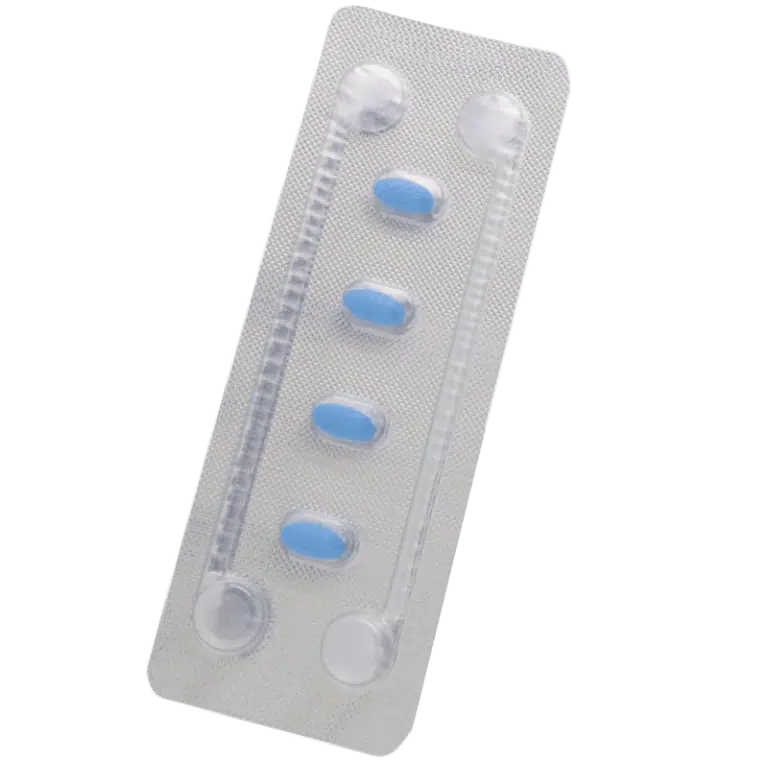
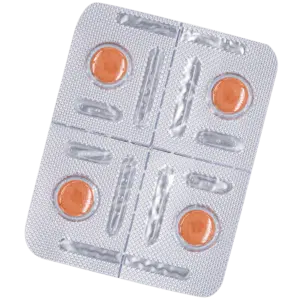
Solifenacin comes as an oral tablet in 5 mg and 10 mg strengths. You’ll usually start on 5mg once a day, increasing to 10mg if you find your symptoms don’t improve enough.
People with liver or kidney problems, or who take certain other medicines, shouldn’t take more than 5mg a day.
How we source info.
When we present you with stats, data, opinion or a consensus, we’ll tell you where this came from. And we’ll only present data as clinically reliable if it’s come from a reputable source, such as a state or government-funded health body, a peer-reviewed medical journal, or a recognised analytics or data body. Read more in our editorial policy.