
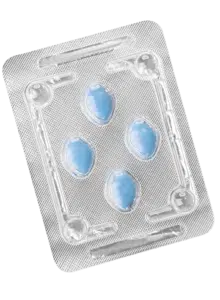
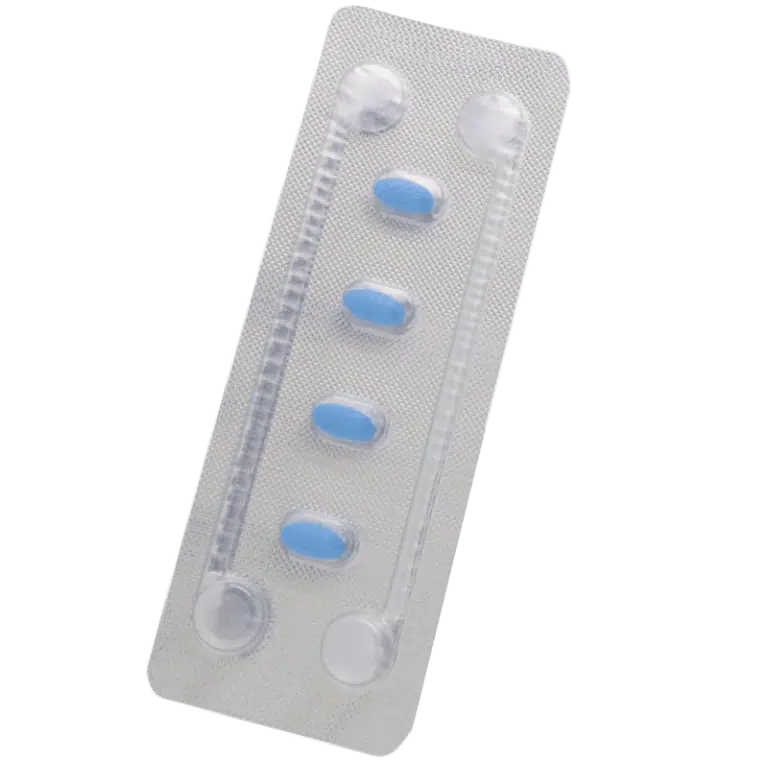
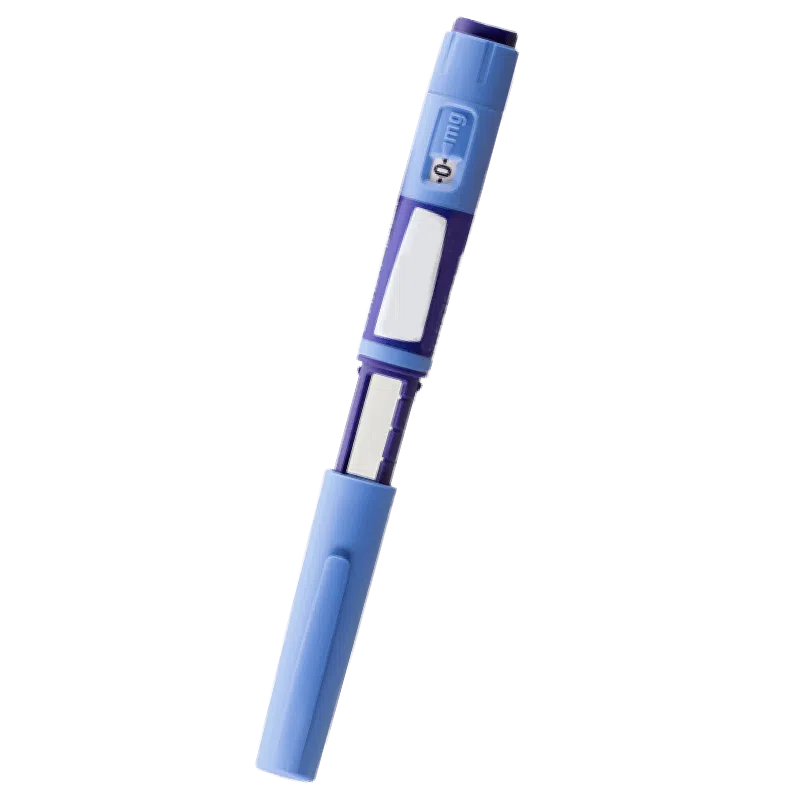
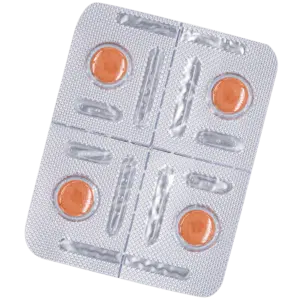



Rybelsus is a tablet you take once a day to help control your blood sugar if you have type-2 diabetes. It’s usually prescribed if a first-line treatment like metformin isn’t appropriate, or isn’t enough on its own.1 The active ingredient in Rybelsus is semaglutide, which increases insulin production after you eat to help manage your blood sugar levels. It can also help you lose weight, by making you feel fuller for longer after eating.
Unlike other treatments that contain semaglutide, which come as weekly injections, Rybelsus is a daily tablet. If you don’t like the idea of taking an injection, but still want a treatment for type-2 diabetes that can help you lose weight, Rybelsus might be a good option for you.
How does Rybelsus work?
The active ingredient in Rybelsus is a ‘GLP-1 receptor agonist’, called semaglutide.2 Semaglutide attaches to the receptors of a hormone known as GLP-1 (glucagon-like peptide-1) that’s produced in your gut. It then mimics the action of the GLP-1 hormone, telling your pancreas to increase the amount of insulin it produces after you eat. This helps reduce your blood sugar levels, and keep your diabetes under control.3
What doses of Rybelsus are there?
There are three different Rybelsus doses for the management of type-2 diabetes. The starting dose of Rybelsus is one 3mg tablet once a day, for a month. Your doctor will then increase your dose to one 7mg tablet a day. If a 7mg dose isn’t enough to manage your blood sugar effectively, your doctor may increase your Rybelsus dose to 14mg once a day.4
You should only ever take the dose of Rybelsus you’re prescribed. Don’t change your dosage without speaking to your clinician first, and don’t take two 7 mg tablets in place of one 14 mg tablet. This hasn’t been studied and it isn’t known what side effects this could cause.
Treated trusted source:
Baker, C., et al. (2021). Should metformin remain the first-line therapy for treatment of type 2 diabetes? Therapeutic Advances in Endocrinology and Metabolism. vol. 12.
EMC, (2020). Package Leaflet: Information for the patient. Rybelsus 3 mg tablets. Rybelsus 7 mg tablets. Rybelsus 14 mg tablets. Semaglutide.
This page was written by The Treated Content Team.
This page was medically reviewed by Mr Craig Marsh on January 03, 2025. Next review due on January 03, 2028.
How we source info.
When we present you with stats, data, opinion or a consensus, we’ll tell you where this came from. And we’ll only present data as clinically reliable if it’s come from a reputable source, such as a state or government-funded health body, a peer-reviewed medical journal, or a recognised analytics or data body. Read more in our editorial policy.
RybelsusSemaglutide
How to take Rybelsus
You should only take Rybelsus as you’re instructed to. If you’re ever unsure how to take Rybelsus, check with your doctor.
You’ll typically start by taking a 3mg tablet once every day for a month. Afterwards, your doctor will increase the dosage to a 7mg tablet once per day. If this isn’t enough to manage your blood sugar effectively, your dose may be increased to a 14mg tablet once a day.
To use Rybelsus:
Take your tablet on an empty stomach first thing in the morning, half an hour before your first drink and meal of the day.
Swallow the tablet whole with half a cup of water. Don’t chew, split, or crush the tablet, as this could affect how the medicine is absorbed.
To make sure you get the most out of Rybelsus, wait at least 30 minutes before eating, drinking, or taking other oral medication after taking it. Waiting less than half an hour can reduce the amount of semaglutide your body absorbs.
How long does it take for Rybelsus to work?
You may see improvements to your blood sugar levels with Rybelsus after 30 days, but it can take months before significant improvements happen. Studies show that after 26 weeks of taking oral semaglutide, people’s A1C (their average blood sugar level over the last two months) was reduced by 1.2% from the baseline.1
What should I do if I make a mistake taking Rybelsus?
If you forget to take your dose of Rybelsus, it’s not an issue. Simply skip the missed dose and take your next dose as normal the following day. If you accidentally take more Rybelsus than you should, speak to your doctor as soon as you can. You may feel or be sick, and require additional monitoring to treat your symptoms.2
This page was written by The Treated Content Team.
This page was medically reviewed by Mr Craig Marsh on January 03, 2025. Next review due on January 03, 2028.
How we source info.
When we present you with stats, data, opinion or a consensus, we’ll tell you where this came from. And we’ll only present data as clinically reliable if it’s come from a reputable source, such as a state or government-funded health body, a peer-reviewed medical journal, or a recognised analytics or data body. Read more in our editorial policy.
RybelsusSemaglutide
Rybelsus isn’t suitable for everyone, and there are some things that you need to be aware of when using it.
Here’s all the official info on it. If anything is unclear, let our clinician know, and they can talk with you about it.
RybelsusSemaglutide
Rybelsus: FAQ
Have something specific you want to know? Search our info below, or ask our experts a question if you can’t find what you’re looking for.
What alternatives are there to Rybelsus?
Answer:
There are a range of medicines available to help you control your blood sugar levels with type-2 diabetes. Here’s some info on a couple of them:
Metformin is the front-line treatment for type-2 diabetes management, as it’s affordable, well tolerated, effective, and works well in combination with other medications.1 If Metformin isn’t appropriate, or isn’t enough to manage your blood sugar levels on it’s own, another treatment may be prescribed alongside or instead of it.
Ozempic is a weekly injection that also contains the active ingredient semaglutide. This means Ozempic and Rybelsus will work in the same way. Ozempic might be preferable if you don’t want to remember to take a tablet every day, and a weekly commitment fits your schedule better.
Typically, Ozempic and Rybelsus are both safe to take with metformin to help control your blood sugar levels.1,2 Your doctor will advise you on if this is the right option for you.
Does Rybelsus have any side effects?
Answer:
Like any treatment, there’s a chance you’ll get some side effects while taking Rybelsus – but not everyone will. The most common side effects are nausea and diarrhea (which tend to pass with time), and low blood sugar levels when used alongside insulin or sulfonylurea. Speak to your doctor if you’re taking either of these before starting Rybelsus.
Rapid improvement to your blood sugar control can cause temporary complications with diabetic eye disease. Speak to your clinician if your vision changes, or you have any other issues with your eyes while using this medicine.
It’s rare, but there’s a small chance you may be allergic to Rybelsus. If you notice any breathing problems, swelling of your face and throat, a fast heartbeat, your skin becoming pale and cold, or you start to feel dizzy and weak - get medical help and contact your clinician right away. Likewise, if you experience severe pain in your stomach and back which does not go away, speak to a doctor immediately, as it could be a sign of acute pancreatitis.
How effective is Rybelsus?
Answer:
Studies indicate that Rybelsus is an effective treatment to manage blood sugar levels in people with type-2 diabetes. In a six-month long study, in which 782 patients were prescribed oral semaglutide tablets, individuals displayed a mean decrease of 0.9% in HbA1c from baseline. Patients with a higher baseline HbA1c also benefited from a greater reduction. This shows real-world improvement in diabetic control with Rybelsus.3
Can Rybelsus be used for weight loss?
Answer:
Rybelsus has proven to help people lose weight, as well as control their blood sugar levels. In a 26-week trial comparing semaglutide 7 mg and 14 mg with placebo, those on Rybelsus 7 mg lost 0.9kg more than those on placebo, and those on Rybelsus 14 mg lost 2.3kg more.4 However, Rybelsus currently isn’t a licensed treatment for weight loss.
Wegovy is an injectable medication that also contains the active ingredient semaglutide. It’s designed and approved for weight loss. So if you want to lose weight with semaglutide, Wegovy might be the treatment you’re looking for.
Can I just stop taking Rybelsus?
Answer:
You can’t just stop taking Rybelsus – you should speak with your doctor if you want to stop or change your treatment. This is because stopping Rybelsus can cause your blood sugar levels to increase, and if your blood sugar levels stay high for an extended period of time it can cause serious health complications.
Should I avoid any foods when taking Rybelsus?
Answer:
While there aren’t any foods you can’t eat when taking Rybelsus, fatty, fried and sugary foods can be more difficult for your body to digest. This means they’re more likely to make you feel nauseous when taking semaglutide.
How long does Rybelsus stay in your system?
Answer:
Rybelsus has a half-life of approximately one week. This means that after you stop taking it, the amount in your system will have decreased by half after around a week. It takes about five weeks after your last dose of Rybelsus for it to leave your system completely.
Rybelsus shouldn’t be used if you’re pregnant or breastfeeding, as whether it can affect your baby or breast milk isn’t known. If you’re planning to start a family, you should discuss coming off Rybelsus with your doctor at least two months before you try. If you become pregnant while taking Rybelsus, speak to your clinician, as your treatment will have to be changed.
We’ll get in touch after your treatment has started to check you’re happy with it, and you’ll be able to ask our expert clinicians any questions you might have. Our flexible subscriptions also let you pause or change your treatment whenever you need to.
Treated trusted source:
Hausner, H., et al. (2017). Effect of Semaglutide on the Pharmacokinetics of Metformin, Warfarin, Atorvastatin and Digoxin in Healthy Subjects. Clinical Pharmacokinetics. vol. 56, no. 11. pp. 1391-1401.
Gu, J., et al. (2016). The efficacy and safety of liraglutide added to metformin in patients with diabetes: a meta-analysis of randomized controlled trials
Jianqiu Gu, Xin Meng, Yan Guo, Lei Wang, Hongzhi Zheng, Y. Scientific Reports. vol. 6.
Aroda, V.R., et al. (2021). Insights into the early use of oral semaglutide in routine clinical practice: The IGNITE study. Diabetes, Obesity and Metabolism. vol. 23, no. 9. pp. 2177-2182.
Novo Nordisk. Annex I: Summary of Product Characteristics.
Last updated on Jan 3, 2025.
How we reviewed this page:
Our experts continually monitor new findings in health and medicine, and we update our articles when new info becomes available.
Jan 03, 2025
Published by: The Treated Content Team.Medically reviewed by: Mr Craig Marsh, Clinical Reviewer
How we source info.
When we present you with stats, data, opinion or a consensus, we’ll tell you where this came from. And we’ll only present data as clinically reliable if it’s come from a reputable source, such as a state or government-funded health body, a peer-reviewed medical journal, or a recognised analytics or data body. Read more in our editorial policy.
This is healthcare on your terms.
All from the comfort of your device. Get access to what you need, when you need it.
100% online
Ask questions and get expert recommendations, at the touch of a button.
Tailored choices
We'll narrow down some treatments for you to choose from based on your medical profile.
Secure shipping
Receive your treatment by express delivery, in discreet packaging.
Easy automatic refills
Set your own delivery schedule and pause or make changes any time you like.
We're making healthcare more about you. Sign up to our newsletter for personalised health articles that make a difference.
Disclaimer: The information provided on this page is not a substitute for professional medical advice, diagnosis, or treatment. If you have any questions or concerns about your health, please talk to a doctor.
Mr Craig Marsh
Clinical Reviewer
Pharmacy prescriber Craig is based in the UK and regularly reviews our content to ensure clinical accuracy. On pages he's checked, you'll see his reviewer card.
When we present you with stats, data, opinion or a consensus, we’ll tell you where this came from. And we’ll only present data as clinically reliable if it’s come from a reputable source, such as a state or government-funded health body, a peer-reviewed medical journal, or a recognised analytics or data body. Read more in our editorial policy.
Reviews you can trust
All of our reviews are collected from real patients after their treatment has been delivered.
We publish reviews collected through independent platforms including Reviews.io and Trustpilot.