What is Prednisone?
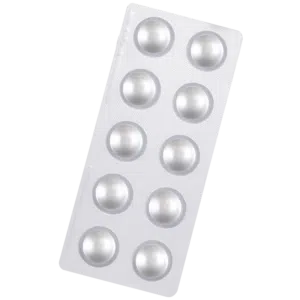
Prednisone is an oral steroid that’s used short-term to help treat gout attacks.
Gout is a type of arthritis caused by the build up of uric acid crystals, which can lead to pain and inflammation in the joints, particularly around the big toe.
How does Prednisone work?
Gout attacks are characterised by inflammation in the joint. Prednisone can help reduce this inflammation, helping relieve pain and swelling.
It’s not a long-term solution, though. Prednisone should only be taken for a few days or weeks during gout attacks. For a more long-term gout solution, talk to your doctor about more suitable medications like allopurinol and febuxostat.
Will I get side effects using Prednisone?
Some people may experience side effects while taking Prednisone, but not everyone will get them.
Steroids like Prednisone can cause mental health problems like anxiety, depression, suicidal thoughts and insomnia. If you experience any of their side effects, let your clinician know.
For the full list of side effects, check the package insert that comes with your medicine.
Is Prednisone a steroid?
Yes, Prednisone is an oral glucocorticoid steroid. Unlike anabolic steroids, which are used to help build muscles, glucocorticoid helps lessen inflammation in your body.
What doses of Prednisone are there?
Prednisone comes in three doses: 10 mg, 20 mg, and 50 mg.
The typical dose is 30-40 mg a day for the first few days. This may be tapered over the next few days if needed.
How we source info.
When we present you with stats, data, opinion or a consensus, we’ll tell you where this came from. And we’ll only present data as clinically reliable if it’s come from a reputable source, such as a state or government-funded health body, a peer-reviewed medical journal, or a recognised analytics or data body. Read more in our editorial policy.