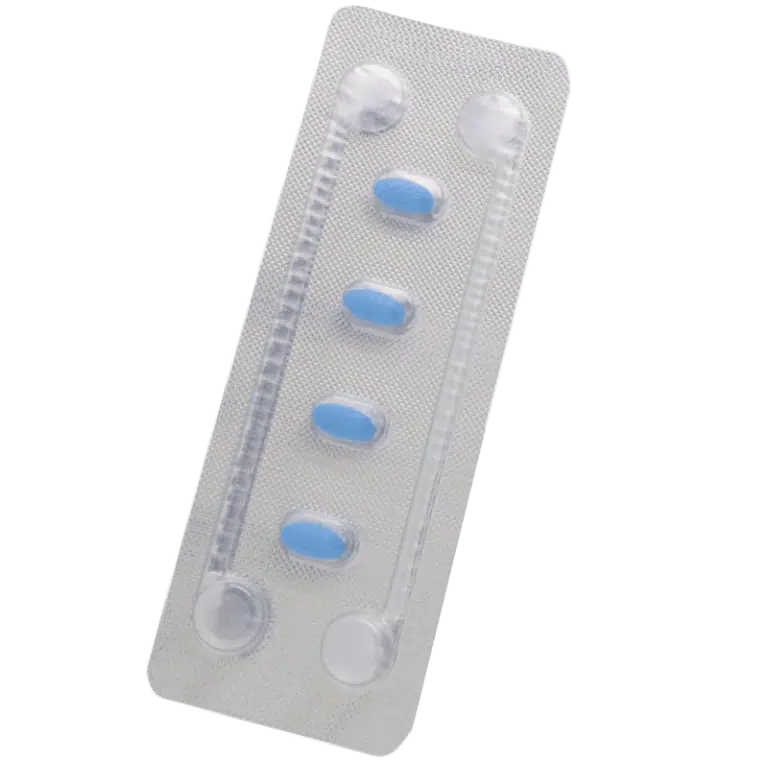
What is Oxytrol?
Oxytrol is a medicated skin patch that contains oxybutynin, a type of medicine known as an anticholinergic. It’s mainly prescribed for people with overactive bladder or ‘urge incontinence’ (the name given when your bladder muscles contract too often, causing leaks or sudden urges to urinate).[1]
Oxytrol helps you hold urine longer, reduces the strong urge to go, and lowers the chance of leaks.[1][2]
How does Oxytrol work for urinary incontinence?
Oxytrol works by getting in the way of the nerve signals that cause spasms in the bladder muscle. The active ingredient, oxybutynin, targets certain receptors in your bladder wall, helping to relax the muscle and increase your bladder capacity.[2]
Unlike tablets, the patch releases medicine slowly through the skin. This can mean fewer side effects like dry mouth or constipation compared to oral meds.[2]
Will I get side effects using Oxytrol?
Like all medications, Oxytrol can cause side effects, though not everyone gets them.
The most common are skin irritation where the patch is applied (such as redness or itching) and dry mouth.
There are some more serious side effects you should know about, and it’s important to read the Oxytrol information leaflet carefully. Serious side effects can include
- Trouble emptying your bladder (this can happen if you have a blockage in your bladder). If you can’t urinate while using Oxytrol, get medical advice as soon as possible.
- Stomach or esophagus problems, if you have a history of digestive conditions.
- Headaches, dizziness, sleepiness, confusion, or even hallucinations. Your doctor should monitor you for these when you first start your treatment.
If you have any sign of allergic reaction, like sudden swelling, stop using Oxytrol and seek emergency care straight away.
What doses of Oxytrol are there?
Oxytrol comes as a 3.9 mg transdermal patch that you’ll typically replace every four days.
How we source info.
When we present you with stats, data, opinion or a consensus, we’ll tell you where this came from. And we’ll only present data as clinically reliable if it’s come from a reputable source, such as a state or government-funded health body, a peer-reviewed medical journal, or a recognised analytics or data body. Read more in our editorial policy.