A UTI is a common infection that can affect your bladder, kidneys and urethra. It can be caused by things like:
Not fully emptying your bladder when you pee
Kidney stones
Wiping the wrong way (‘back to front’ rather than ‘front to back’)
Not peeing after sex
Although they can clear up on their own, they might need treatment with antibiotics. Nitrofurantoin is an antibiotic that can be taken as a capsule or tablet, and targets the bacteria causing your UTI at the site of the infection. [1]
You might start to feel better after only a few days of taking Nitrofurantoin, but as with all antibiotics, it’s important to finish the entire course of pills. Unlike other antibiotics, Nitrofurantoin is used solely to treat and prevent lower urinary tract infections like cystitis.
How does Nitrofurantoin work?
Antibiotics work by killing or stopping the spread of bacteria. Unlike other antibiotics that are prescribed to treat a wide range of infections, like penicillin, Nitrofurantoin is used specifically for urinary tract infections (UTIs). When these infections affect the bladder, it’s called cystitis. Cystitis can also be treated with Nitrofurantoin.
To reach the site of the infection, a Nitrofurantoin filters out from your blood and into your urine. Here, it can target the bacteria in your urinary tract and destroy them. Although antibiotics can start to work within a few days, you’ll need to take the entire course to make sure your infection has cleared. [2]
What doses of Nitrofurantoin are there?
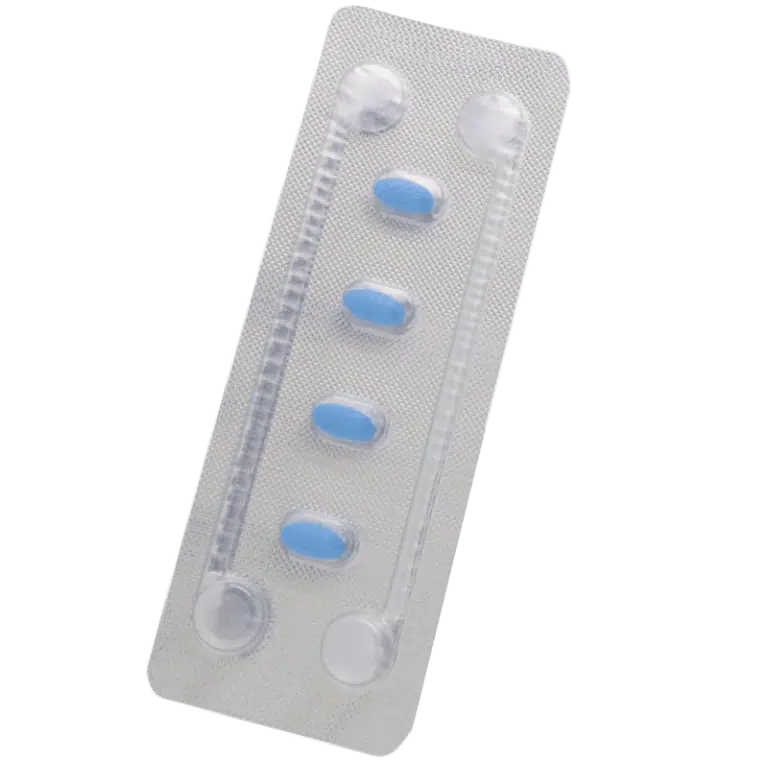
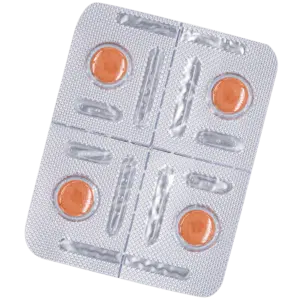
Nitrofurantoin is available in 50mg or 100mg strength tablets and capsules. The standard dose to clear a urinary tract infection for men is four 50mg tablets or capsules each day, for seven days; or for women: four 50mg pills a day for three days. The strength you’re prescribed can depend on how severe your UTI is and how often you get them.
You should try to space the doses out over the day to avoid taking too little or too much Nitrofurantoin. If you’re taking four 50mg tablets or capsules, take one in the morning, one around midday, your third in the late afternoon and your final dose before you go to bed.
Treated trusted source:
Medline Plus (2019). Nitrofurantoin: MedlinePlus Drug Information. Medlineplus.gov.
NIDDK (n.d.). Treatment | NIDDK. National Institute of Diabetes and Digestive and Kidney Diseases.
This page was written by The Treated Content Team.
This page was medically reviewed by Dr. Joseph Palumbo on December 30, 2024. Next review due on December 30, 2027.
How we source info.
When we present you with stats, data, opinion or a consensus, we’ll tell you where this came from. And we’ll only present data as clinically reliable if it’s come from a reputable source, such as a state or government-funded health body, a peer-reviewed medical journal, or a recognised analytics or data body. Read more in our editorial policy.
NitrofurantoinNitrofurantoin
How to take Nitrofurantoin
Nitrofurantoin capsules and tablets should be swallowed whole with a glass of water.
It’s recommended you take Nitrofurantoin with food or a glass of milk to avoid an upset stomach. It also helps the medication absorb into your system more easily.
How long does Nitrofurantoin take to work?
You might start feeling better after only a few days of using Nitrofurantoin. To make sure the infection has cleared completely, you should take the entire course of medication as it’s been prescribed.
As you can’t always see visible evidence of medications like Nitrofurantoin working, it can be easy to think your UTI has been treated as soon as you stop experiencing uncomfortable symptoms like pain in your tummy or a frequent urge to pee. Stopping Nitrofurantoin before the full course is finished can lead to future urinary tract infections, and can even help the bacteria that causes them become resistant to antibiotics. [1]
If you’ve still got symptoms after completing your course of Nitrofurantoin, let your doctor know. If cystitis is left untreated it could cause complications like kidney infections, scarring, or blood in your urine.
What should I do if I make a mistake when using Nitrofurantoin?
Doses of Nitrofurantoin should be spaced out so the medication can work effectively. If you forget to swallow a tablet or capsule at your usual time, you can take it as soon as you remember provided it’s not too soon before your next dose is due. In that case, just skip the one you missed and carry on your usual dosage routine.
If for any reason you take too much Nitrofurantoin, go to your nearest hospital’s emergency department immediately.
Treated trusted source:
Medline Plus (2019).Nitrofurantoin: MedlinePlus Drug Information. Medlineplus.gov.
This page was written by The Treated Content Team.
This page was medically reviewed by Dr. Joseph Palumbo on December 30, 2024. Next review due on December 30, 2027.
How we source info.
When we present you with stats, data, opinion or a consensus, we’ll tell you where this came from. And we’ll only present data as clinically reliable if it’s come from a reputable source, such as a state or government-funded health body, a peer-reviewed medical journal, or a recognised analytics or data body. Read more in our editorial policy.
NitrofurantoinNitrofurantoin
Nitrofurantoin isn’t suitable for everyone, and there are some things that you need to be aware of when taking it.
Here’s all the official info on it. If anything is unclear, let our doctor know, and they can talk with you about it.
NitrofurantoinNitrofurantoin
Nitrofurantoin: FAQ
Have something specific you want to know? Search our info below, or ask our experts a question if you can’t find what you’re looking for.
What are the alternatives to Fosfomycin?
Answer:
There are several treatments available for UTIs and cystitis. MacroBID is a popular treatment containing the active ingredient nitrofurantoin; it’s also available as a generic medicine. You take one capsule twice a day for a week.
Another option is Trimethoprim, a broad-use antibiotic for bacterial infections. It comes as either 100 mg or 200 mg tablets and an oral solution.
MacroBID and Trimethoprim are typically preferred treatments for urinary tract infections as they have less bacterial resistance compared to Fosfomycin. In a study comparing a five-day course of nitrofurantoin to a single dose of fosfomycin, 70% of those taking nitrofurantoin were cured after 28 days, compared to 58% using fosfomycin. [1]
What should I avoid while using Nitrofurantoin?
Answer:
A lot of antibiotics come with warning labels that discourage alcohol use during a course of treatment.[5] Rather than negating the effects of the medication, drinking alcohol can reduce your energy and slow your recovery from any illness or condition. So while you can drink alcohol while using Nitrofurantoin, it’s probably a good idea to avoid it while you’re trying to recover.
You can eat and drink as normal while using this medication. [2]
It’s usually safe to take Nitrofurantoin while you’re pregnant or breastfeeding, but there is a small chance of it causing problems during the third trimester. If they think you should avoid using Nitrofurantoin at that stage of your pregnancy, a clinician will offer more suitable alternative treatments.
How is Nitrofurantoin different from other treatments for UTIs?
Answer:
Urinary tract infections can sometimes get better on their own, but antibiotics like nitrofurantoin and trimethoprim are often used. Both of the medications are effective and well tolerated, meaning you shouldn’t experience many side effects while using them. [1]
Macrobid, Furadantin, and Macrodantin are branded versions of Nitrofurantoin. They contain the same active ingredient as the generic version, and work in the same way.
Will Nitrofurantoin cause any side effects?
Answer:
All antibiotics carry the risk of side effects, and Nitrofurantoin is no different. That doesn’t mean you’ll get any though, as people react to medications in different ways.
Most of the side effects Nitrofurantoin causes are mild, and you should stop getting them when your course of medication is finished. Nausea, an upset stomach, and a loss of appetite are all listed as possible side effects in the patient package insert (PPI) that comes with your treatment.
Allergic reactions to this medication are rare, but should be taken seriously. If you develop flu-like symptoms, difficulty breathing, facial swelling or anything else you think is an allergic reaction, go to your nearest hospital for immediate medical attention.
Do I need a prescription for Nitrofurantoin?
Answer:
You’ll need a prescription before you can start using Nitrofurantoin to manage your infection.
This is the case for all antibiotics. A healthcare professional needs to ensure the medication is safe for you to use before you begin a course of tablets or capsules. This usually involves looking at your overall health and any factors that might mean Nitrofurantoin isn’t a suitable option for you.
How effective is Nitrofurantoin?
Answer:
Nitrofurantoin has been recommended as the first-line treatment for managing urinary tract infections by several major health guidelines.[3] It has been used all over the world to manage UTIs for decades, which makes it an effective option for treating your infection.
Antibiotics can sometimes lose their ability to break down certain bacterias. This is thought to be a result of these types of medications being overprescribed, and being used incorrectly to treat viral infections and more trivial conditions that don’t require them. Despite its use being so widespread, it’s still rare for people to be resistant to nitrofurantoin.[4] This means it should clear your infection when you use it as it's been prescribed.
Treated trusted source:
Iravani, A., et al. “Trimethoprim Once Daily vs. Nitrofurantoin in Treatment of Acute Urinary Tract Infections in Young Women, with Special Reference to Periurethral, Vaginal, and Fecal Flora.” Reviews of Infectious Diseases, vol. 4, no. 2, 1 Mar. 1982, pp. 378–387.
NHS. “Common Questions about Nitrofurantoin.” Nhs.uk, 12 Jan. 2022.
Sanchez, Guillermo V., et al. “In VitroAntimicrobial Resistance of Urinary Escherichia Coli Isolates among U.S. Outpatients from 2000 to 2010.” Antimicrobial Agents and Chemotherapy, vol. 56, no. 4, 17 Jan. 2012, pp. 2181–2183.
Mergenhagen, Kari A., et al. “Fact versus Fiction: A Review of the Evidence behind Alcohol and Antibiotic Interactions.” Antimicrobial Agents and Chemotherapy, vol. 64, no. 3, 23 Dec. 2020.
Last updated on Dec 30, 2024.
How we reviewed this page:
Our experts continually monitor new findings in health and medicine, and we update our articles when new info becomes available.
Dec 30, 2024
Published by: The Treated Content Team.Medically reviewed by: Dr. Joseph Palumbo, Senior Medical Adviser
How we source info.
When we present you with stats, data, opinion or a consensus, we’ll tell you where this came from. And we’ll only present data as clinically reliable if it’s come from a reputable source, such as a state or government-funded health body, a peer-reviewed medical journal, or a recognised analytics or data body. Read more in our editorial policy.
This is healthcare on your terms.
All from the comfort of your device. Get access to what you need, when you need it.
100% online
Ask questions and get expert recommendations, at the touch of a button.
Tailored choices
We'll narrow down some treatments for you to choose from based on your medical profile.
Secure shipping
Receive your treatment by express delivery, in discreet packaging.
Easy automatic refills
Set your own delivery schedule and pause or make changes any time you like.
We're making healthcare more about you. Sign up to our newsletter for personalised health articles that make a difference.
Disclaimer: The information provided on this page is not a substitute for professional medical advice, diagnosis, or treatment. If you have any questions or concerns about your health, please talk to a doctor.
Dr. Joseph Palumbo
Senior Medical Adviser
Joseph joined Treated in 2023, and is one of the lead doctors providing prescribing services for the platform.
When we present you with stats, data, opinion or a consensus, we’ll tell you where this came from. And we’ll only present data as clinically reliable if it’s come from a reputable source, such as a state or government-funded health body, a peer-reviewed medical journal, or a recognised analytics or data body. Read more in our editorial policy.
Reviews you can trust
All of our reviews are collected from real patients after their treatment has been delivered.
We publish reviews collected through independent platforms including Reviews.io and Trustpilot.