



What is Nifedipine?
Nifedipine is a tablet treatment that is used for preventing high altitude pulmonary edema (HAPE), a type of altitude sickness that occurs around 8,200 ft (2,500 metres) above sea level.
HAPE can be life-threatening when not managed properly. Symptoms include shortness of breath, chest tightness and a persistent cough that can sometimes produce sputum.
Who is Nifedipine for?
Nifedipine is for adults aged 18 or over who are prone to developing pulmonary edema at high altitudes, or those whoโve experienced it in the past.
If youโve had HAPE before or know you are likely to suffer from it, a physician might recommend you take Nifedipine before you enter high altitude areas.
How does Nifedipine work?
Nifedipine belongs to a class of medications known as calcium channel blockers. These are usually used to manage angina and high blood pressure (hypertension), and work by widening and relaxing blood vessels.[1]
This can help prevent HAPE by reducing pulmonary artery pressure, which in turn prevents fluid from filling the air sacs in your lungs.
Are there different doses of Nifedipine?
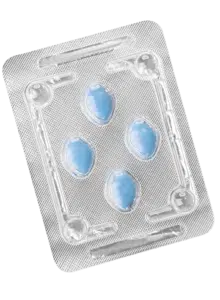
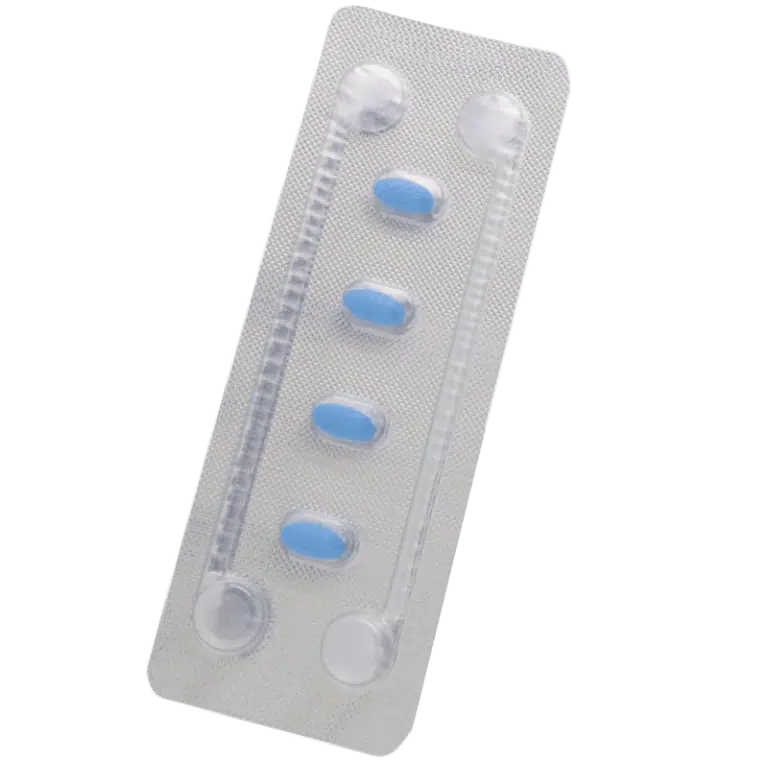
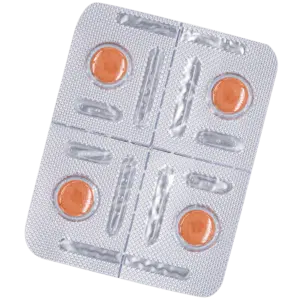
Nifedipine is available in four doses: 10mg, 20mg, 30mg (extended-release) and 60mg (extended-release).
The usual dose is to take 30mg every 12 hours, starting 24 hours before you ascend into high altitudes. Youโll then continue to take your tablets for as long as you remain in a high altitude area.
The extended-release tablets might reduce your chances of experiencing side effects, which might be a good option if youโve taken Nifedipine before. Your physician will help you decide which type of tablet seems like the right choice for your trip.
How we source info.
When we present you with stats, data, opinion or a consensus, weโll tell you where this came from. And weโll only present data as clinically reliable if itโs come from a reputable source, such as a state or government-funded health body, a peer-reviewed medical journal, or a recognised analytics or data body. Read more in our editorial policy.