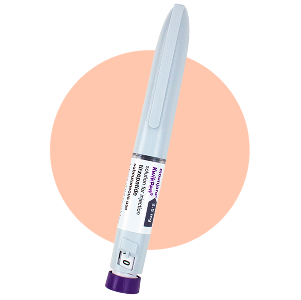
What is Mounjaro?
Mounjaro is a treatment for type 2 diabetes (T2D). It belongs to a class of drugs called GLP-1 receptor agonists, like the well-known medicines Ozempic and Wegovy.
T2D occurs when your body doesn’t produce enough insulin or can’t use it properly. This leads to high blood sugar levels which, if left untreated, can lead to serious health problems like kidney disease or stroke.
T2D doesn’t always need treatment; lifestyle changes, such as regularly exercising and a healthy diet, can help. However, some people may still need medication like Mounjaro to control their diabetes effectively.
How does Mounjaro work?
Mounjaro contains tirzepatide, a dual GLP-1 and GIP receptor agonist. Tirzepatide is similar to GLP-1 and GIP, both hormones your body produces naturally after a meal to regulate blood sugar levels.
Tirzepatide enhances their effect, making it easier to control blood sugar levels. It works in multiple ways, by:[1]
- Increasing insulin secretion. This helps your body use glucose for energy and store excess sugar in cells, lowering your blood sugar levels.
- Decreasing glucagon production. Glucagon raises your blood sugar levels. By reducing your glucagon levels, Mounjaro helps less glucose enter your bloodstream.
- Improving insulin sensitivity. This helps your body respond better to insulin.
- Delaying gastric emptying. This may slow down the absorption of glucose after a meal, which can help improve post-meal blood sugar levels.
What doses of Mounjaro are there?
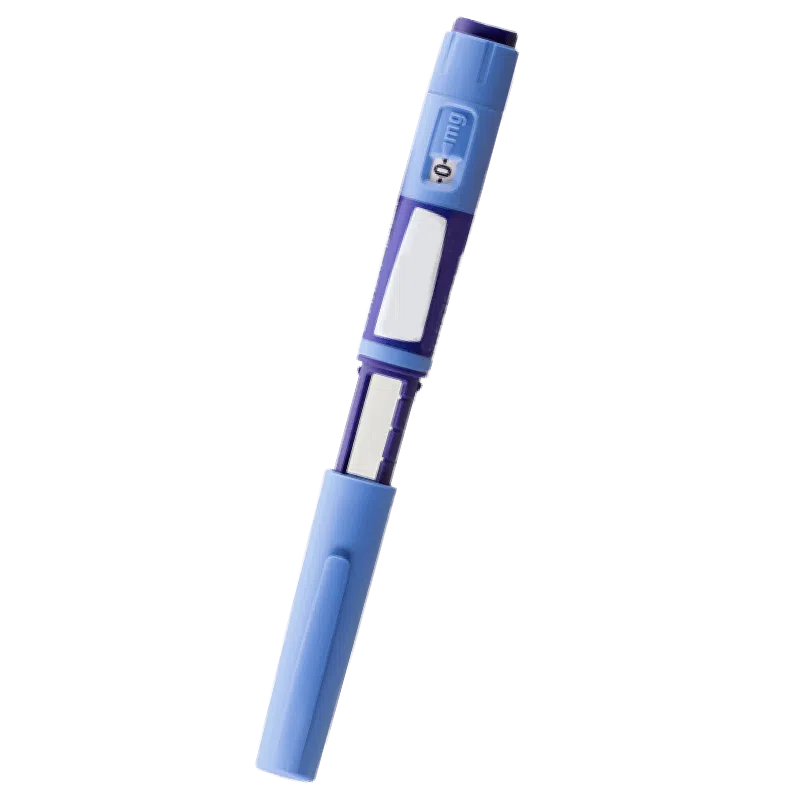
Mounjaro is available in six doses: 2.5mg, 5mg, 7.5mg, 10mg, 12.5mg and 15mg. Each pen comes prefilled with four doses. Every week you’ll inject yourself with one dose, so each pen should last you four weeks if used correctly.
You’ll typically start on the lowest dose of 2.5mg once a week for four weeks. If your blood sugar levels don’t improve, your doctor will probably increase this to 5mg once a week. This is the maintenance dose for most people.
Your doctor will continue to monitor your blood sugar levels and, if required, gradually increase your dose by 2.5mg each time until your blood sugar levels are controlled.
Treated trusted source:
- Færch, K., et al. (2015). GLP-1 Response to Oral Glucose Is Reduced in Prediabetes, Screen-Detected Type 2 Diabetes, and Obesity and Influenced by Sex: The ADDITION-PRO Study. Diabetes, 64(7), pp.2513–2525.
How we source info.
When we present you with stats, data, opinion or a consensus, we’ll tell you where this came from. And we’ll only present data as clinically reliable if it’s come from a reputable source, such as a state or government-funded health body, a peer-reviewed medical journal, or a recognised analytics or data body. Read more in our editorial policy.