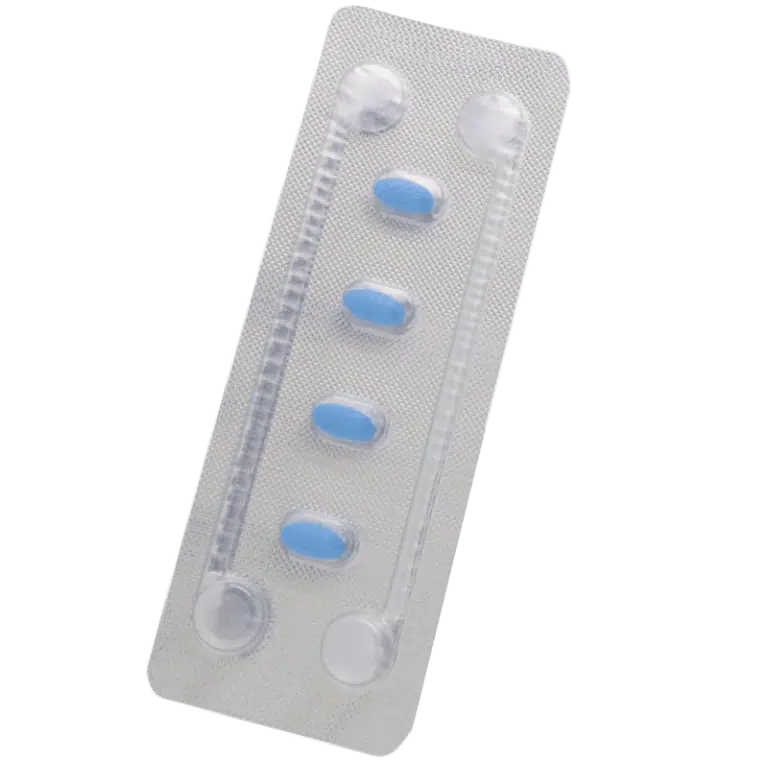
Miconazole is a topical antifungal medication. It belongs to a class of medicines known as imidazoles. It’s widely used to treat fungal infections like vaginal yeast infections (vaginal thrush) and also infections like athlete’s foot, ringworm, and jock itch. It works by preventing fungus from growing.
Miconazole comes in the form of a topical cream or a vaginal suppository (also called a pessary). The cream can be used for a variety of fungal skin infections. The suppository is a one-use product for vaginal yeast infections that you insert into your vagina.
How does Miconazole work?
Miconazole works by making it harder for fungal cells to grow and reproduce. It does this by stopping the production of ergosterol. Ergosterol is a key part of the makeup of fungal cells, so without it they become damaged and unstable. This then leads the fungal cells to die off, which clears the infection and reduces symptoms.
Research has also shown that miconazole can help increase the amount of reactive oxygen species (ROS) in fungal cells.[1] ROS damages the fungal cells and helps kill them off faster.
What doses of Miconazole are there?
Miconazole comes in lots of different forms, including creams, gels, solutions, and vaginal suppositories. For vaginal yeast infections, you’ll usually use the cream or the suppository, or both. The cream is typically available in concentrations of 2%, but higher strength versions at 4% are available too depending on your needs. The suppository comes in doses of 100 mg or 200 mg.
Treated trusted source:
Pedro Antonio Regidor, et al. (2023).Miconazole for the treatment of vulvovaginal candidiasis. In vitro, in vivo and clinical results. Review of the literature. 43(1).
This page was written by The Treated Content Team.
This page was medically reviewed by Dr. Joseph Palumbo on March 03, 2025. Next review due on March 03, 2028.
How we source info.
When we present you with stats, data, opinion or a consensus, we’ll tell you where this came from. And we’ll only present data as clinically reliable if it’s come from a reputable source, such as a state or government-funded health body, a peer-reviewed medical journal, or a recognised analytics or data body. Read more in our editorial policy.
MiconazoleMiconazole
How to use Miconazole
You can use both forms separately or combined together – whichever is prescribed for your condition. Follow the instructions as given by your medical provider and patient information leaflet provided.
To use the cream:
Wash your hands thoroughly before applying. Squeeze a small amount of cream onto your finger and apply a thin layer to the affected area.
You’ll typically be directed to apply the cream 2-3 times a day.
For vaginal yeast infections, the cream is generally used for 7 days.
If your symptoms haven’t lessened after a week, speak to a doctor. They might suggest you extend your treatment for another week, or try another treatment that might be more suitable.
To use the vaginal suppository:
Wash your hands before handling the suppository.
Place the suppository into the applicator provided, and insert into the vagina, preferably before you go to bed so the medication has time to sit.
The suppository typically takes around 30 minutes to dissolve. You might notice some residue in your discharge, but this is normal and will go away with time.
How long does it take for Miconazole to work?
Miconazole is effective at treating vaginal yeast infections. Studies have shown that initial relief of your symptoms typically starts within 2-3 days of using the medication. It takes around a week to two weeks to achieve a full cure of the infection, depending on how severe it is.[1]
Treated trusted source:
Pedro Antonio Regidor, et al. (2023).Miconazole for the treatment of vulvovaginal candidiasis. In vitro, in vivo and clinical results. Review of the literature. 43(1).
This page was written by The Treated Content Team.
This page was medically reviewed by Dr. Joseph Palumbo on March 03, 2025. Next review due on March 03, 2028.
How we source info.
When we present you with stats, data, opinion or a consensus, we’ll tell you where this came from. And we’ll only present data as clinically reliable if it’s come from a reputable source, such as a state or government-funded health body, a peer-reviewed medical journal, or a recognised analytics or data body. Read more in our editorial policy.
MiconazoleMiconazole
Miconazole isn’t suitable for everyone, and there are some things that you need to be aware of when taking it.
Here’s all the official info on it. If anything is unclear, let a doctor know, and they can talk with you about it.
MiconazoleMiconazole
Miconazole: FAQ
Have something specific you want to know? Search our info below, or ask our experts a question if you can’t find what you’re looking for.
Is Miconazole used for any other conditions?
Answer:
Yes, besides treating vaginal yeast infections, miconazole is used to treat various fungal skin infections, like athlete’s foot, ringworm, and fungal nail infections.
Is Miconazole similar to any other treatments?
Answer:
Miconazole is part of a class of antifungals known as imidazole, and works similarly to other azoles like clotrimazole (Lotrimin AF) and ketoconazole. Although this class of medications share similar mechanisms of action, they can differ based on their potency, dosage, and form. What's best for you might change depending on your infection and how it responds to treatment.
Which dose of Miconazole should I use?
Answer:
The dose best for you will depend on how severe your infection is, and what (if any) treatments you might have tried before. For vaginal yeast infections, you'll normally use a 2% cream. The suppository is usually available in one set dose, that you insert once a day for three to seven days in a row.
Can I have sex while using Miconazole?
Answer:
It is generally best to avoid having while using miconazole, both the cream and suppositories. Sexual activity can reduce the medication’s effectiveness. Miconazole cream shouldn't be ingested orally, and the medicine can damage condoms and diaphragms.
Do I need a prescription for Miconazole?
Answer:
Miconazole is available over the counter in lower strength formulations for vaginal yeast infections. For more severe or recurring infections, there are stronger strength solutions that are available with a prescription.
How effective is Miconazole?
Answer:
Miconazole is highly effective when used as directed. Clinical studies show that when used properly, miconazole cures between 80-95% of uncomplicated vaginal yeast infections.[1] Infections are usually fully cleared by 7 days, though this can be longer depending on how severe your infection is, and if the medicine has been used as it should be.
Treated trusted source:
Pedro Antonio Regidor, et al. (2023).Miconazole for the treatment of vulvovaginal candidiasis. In vitro, in vivo and clinical results. Review of the literature. 43(1).
Last updated on Mar 02, 2025.
How we reviewed this page:
Our experts continually monitor new findings in health and medicine, and we update our articles when new info becomes available.
Mar 02, 2025
Published by: The Treated Content Team.Medically reviewed by: Dr. Joseph Palumbo, Senior Medical Adviser
How we source info.
When we present you with stats, data, opinion or a consensus, we’ll tell you where this came from. And we’ll only present data as clinically reliable if it’s come from a reputable source, such as a state or government-funded health body, a peer-reviewed medical journal, or a recognised analytics or data body. Read more in our editorial policy.
This is healthcare on your terms.
All from the comfort of your device. Get access to what you need, when you need it.
100% online
Ask questions and get expert recommendations, at the touch of a button.
Tailored choices
We'll narrow down some treatments for you to choose from based on your medical profile.
Secure shipping
Receive your treatment by express delivery, in discreet packaging.
Easy automatic refills
Set your own delivery schedule and pause or make changes any time you like.
We're making healthcare more about you. Sign up to our newsletter for personalised health articles that make a difference.
Disclaimer: The information provided on this page is not a substitute for professional medical advice, diagnosis, or treatment. If you have any questions or concerns about your health, please talk to a doctor.
Dr. Joseph Palumbo
Senior Medical Adviser
Joseph joined Treated in 2023, and is one of the lead doctors providing prescribing services for the platform.
When we present you with stats, data, opinion or a consensus, we’ll tell you where this came from. And we’ll only present data as clinically reliable if it’s come from a reputable source, such as a state or government-funded health body, a peer-reviewed medical journal, or a recognised analytics or data body. Read more in our editorial policy.
Reviews you can trust
All of our reviews are collected from real patients after their treatment has been delivered.
We publish reviews collected through independent platforms including Reviews.io and Trustpilot.