

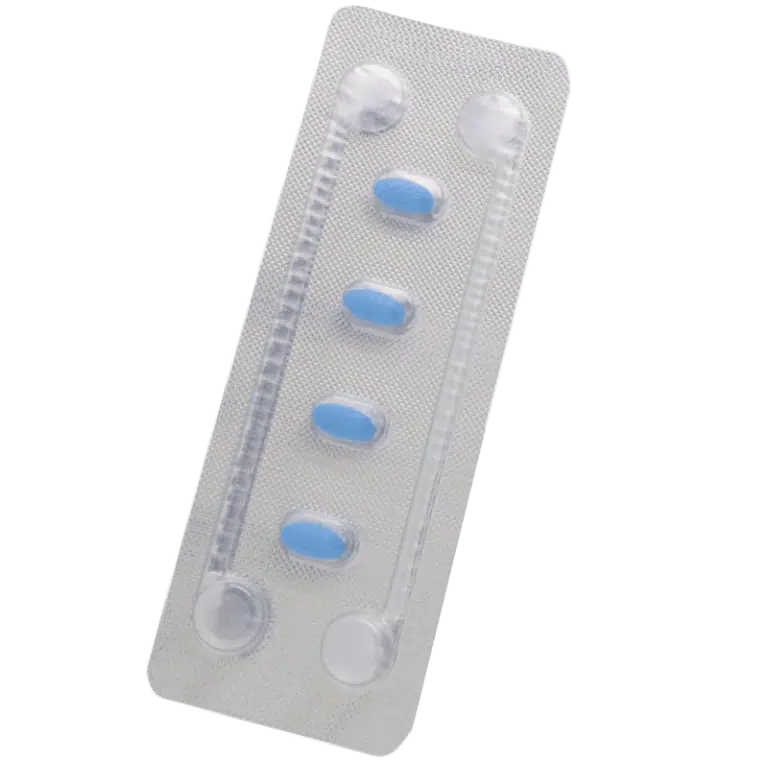
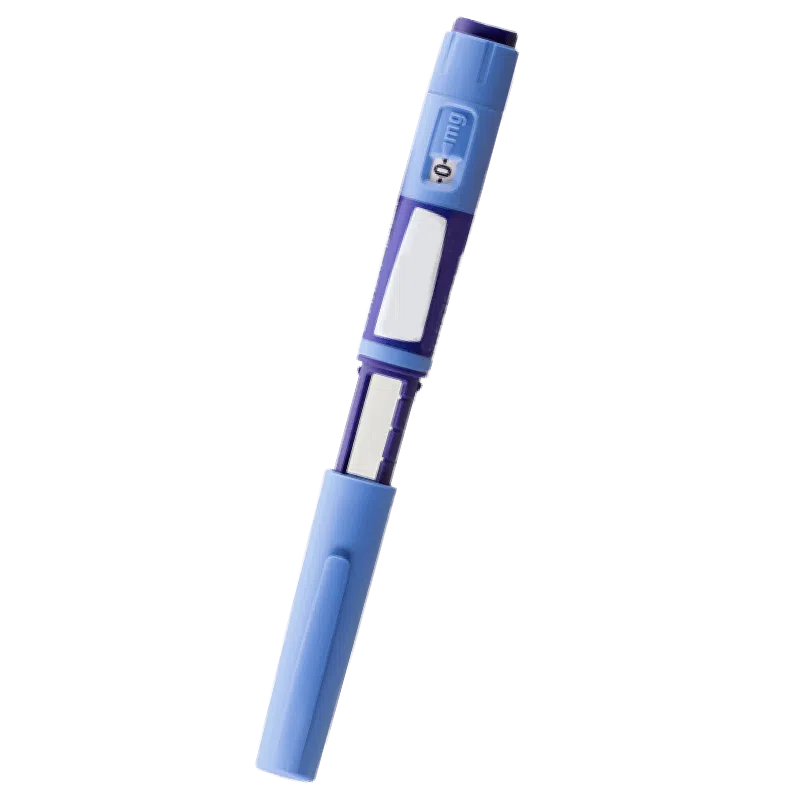




Meclizine is an antihistamine tablet that treats nausea. It can also ease dizziness and vomiting caused by motion sickness.[1]
Antihistamines block histamine, a chemical that is released as an immune response. Usually, your body produces histamine in response to allergens or pathogens it perceives to be a threat. For some people, the release of histamine can make them feel sick. By blocking it, Meclizine can ease nausea symptoms.
How does Meclizine work?
Meclizine blocks H1 histamine receptors in your brain, reducing the effects of histamine. This can help stop nausea symptoms when they start, but Meclizine can also be used to prevent them. The tablets can be taken ahead of travelling to stop motion sickness during your journey, or in advance of being exposed to a known nausea trigger, such as certain foods.
Specifically, Meclizine belongs to a class of antihistamines called piperazines. Unlike other antihistamines that are used to treat allergies, it has an antiemetic action, meaning it can prevent nausea and vomiting.
What doses of Meclizine are there?
Meclizine tablets are available in two strengths: 12.5mg and 25mg.
The usual dose is one tablet before or as you’re experiencing nausea symptoms. Usually, you’ll be prescribed a dose of 25mg or 50mg to take about an hour before travelling. You might be prescribed more if a physician thinks it will help to improve your symptoms.
You might be started on the lowest dose Meclizine tablet to see if it improves your nausea symptoms. If you feel like you need a higher dose, you speak to your physician about changing.
This page was written by The Treated Content Team.
This page was medically reviewed by Dr Alexandra Cristina Cowell on January 29, 2025. Next review due on January 29, 2028.
How we source info.
When we present you with stats, data, opinion or a consensus, we’ll tell you where this came from. And we’ll only present data as clinically reliable if it’s come from a reputable source, such as a state or government-funded health body, a peer-reviewed medical journal, or a recognised analytics or data body. Read more in our editorial policy.
MeclizineMeclizine
How to take Meclizine
Swallow your tablets whole, with a drink of water. Avoid chewing, crushing, or breaking the tablets in half.
If you’re taking Meclizine for motion sickness, you should take it around an hour before you travel. This gives the tablet a chance to work before nausea symptoms start during your journey.
Meclizine might make you drowsy, so this is something to consider before taking your tablet. Avoid driving or operating machinery before you know how Meclizine makes you feel.
How long does Meclizine take to work?
Meclizine usually takes about an hour to start working. This is why it’s recommended you take it an hour before travelling when using the tablets to treat motion sickness.
Medications affect people differently, so you might find Meclizine starts working sooner than this. Meclizine has a half-life of 5-6 hours, which is the time the concentration of the medication takes to reduce by half.[1] This means a single dose can be long-lasting and might reduce nausea symptoms over several hours.
What if I make a mistake while using Meclizine?
Take your tablets how you’ve been advised to by your prescriber. For nausea, you’ll usually need a dose before travelling, or to ease symptoms you start to feel sick.
If you forget to take a tablet when you normally would, you can take it as soon as you remember. There’s never any need to take more than one tablet at a time. Doubling your dose won’t make Meclizine work more effectively, and could cause unpleasant side effects.
If you swallow more tablets than you should for any reason, go to your nearest hospital and get urgent help at their emergency department.
This page was written by The Treated Content Team.
This page was medically reviewed by Dr Alexandra Cristina Cowell on January 29, 2025. Next review due on January 29, 2028.
How we source info.
When we present you with stats, data, opinion or a consensus, we’ll tell you where this came from. And we’ll only present data as clinically reliable if it’s come from a reputable source, such as a state or government-funded health body, a peer-reviewed medical journal, or a recognised analytics or data body. Read more in our editorial policy.
MeclizineMeclizine
Meclizine isn’t suitable for everyone, and there are some things that you need to be aware of when taking it.
Here’s all the official info on it. If anything is unclear, let your physician know, and they can talk with you about it.
MeclizineMeclizine
Meclizine: FAQ
Have something specific you want to know? Search our info below, or ask our experts a question if you can’t find what you’re looking for.
Is Meclizine similar to any other nausea treatments?
Answer:
Meclizine is just one type of antihistamine that can treat nausea. Others include promethazine, which is sold as the brand Phenergan, and dimenhydrinate (Dramamine) . Promethazine is sometimes used to treat short-term bouts of sleeplessness, due to its sedative effects.
Cyclizine is often used to treat nausea and morning sickness caused by pregnancy, but can be used to treat conditions involving the inner ear, such as Meniere’s disease.
As well as being a generic medicine, Meclizine is available as several brands, including Antivert and Dramamine Less Drowsy. The doses might vary across different brands, but the medication will work in the same way as the generic version of Meclizine.
Do I need a prescription for Meclizine?
Answer:
You will need a prescription to start using Meclizine. Your prescriber will first make sure it seems like the right choice for managing your nausea.
There are some over-the-counter antihistamines, such as Dramamine, which don’t require a prescription. It might provide some relief, especially if you experience travel sickness. You should avoid taking more than one antihistamine at a time unless you’ve been advised to.
How long does a course of Meclizine last?
Answer:
Meclizine isn’t intended to be used as a long-term nausea treatment. You’ll take tablets as and when you need them, such as before a journey that will cause travel sickness.
The dose of Meclizine needed to relieve nausea might differ from person to person. For motion sickness, the usual dose is one 25mg-50mg tablet every 24 hours. For treating vertigo, up to 100mg is sometimes used at once.[1]
You can speak to your physician about how much Meclizine to take, but you should avoid using it daily to keep your symptoms under control. If you feel nauseous every day, you might be sent for further tests to try and determine the cause.
Will Meclizine cause side effects?
Answer:
Like all medications, taking Meclizine comes with a risk of experiencing side effects. Meclizine can sometimes cause drowsiness, tiredness, headaches, and vomiting. Any side effects you get should settle once your body is used to the medication.
If Meclizine causes you to be sick, stop taking the tablets and let your physician know. They will try to help you find an alternative nausea treatment.
Will Meclizine make me drowsy?
Answer:
Drowsiness is listed as a side effect in the patient package insert that comes with your tablets. That’s not a guarantee that Meclizine will affect you this way, though. People respond differently to medications, so you might find you don’t experience this side effect.
If you’re concerned about feeling drowsy while taking this medication, it might be worth seeing how you feel after a tablet before doing any activities that require you to be alert.
If Meclizine does make you sleepy, you can try taking it in the evening so it relieves your nausea the following day.
Our experts continually monitor new findings in health and medicine, and we update our articles when new info becomes available.
Jan 28, 2025
Published by: The Treated Content Team.Medically reviewed by: Dr Alexandra Cristina Cowell, Writer & Clinical Content Reviewer
How we source info.
When we present you with stats, data, opinion or a consensus, we’ll tell you where this came from. And we’ll only present data as clinically reliable if it’s come from a reputable source, such as a state or government-funded health body, a peer-reviewed medical journal, or a recognised analytics or data body. Read more in our editorial policy.
This is healthcare on your terms.
All from the comfort of your device. Get access to what you need, when you need it.
100% online
Ask questions and get expert recommendations, at the touch of a button.
Tailored choices
We'll narrow down some treatments for you to choose from based on your medical profile.
Secure shipping
Receive your treatment by express delivery, in discreet packaging.
Easy automatic refills
Set your own delivery schedule and pause or make changes any time you like.
We're making healthcare more about you. Sign up to our newsletter for personalised health articles that make a difference.
Disclaimer: The information provided on this page is not a substitute for professional medical advice, diagnosis, or treatment. If you have any questions or concerns about your health, please talk to a doctor.
Dr Alexandra Cristina Cowell
Writer & Clinical Content Reviewer
Cristina writes content for Treated, and reviews content produced by our other writers to make sure it’s clinically accurate.
When we present you with stats, data, opinion or a consensus, we’ll tell you where this came from. And we’ll only present data as clinically reliable if it’s come from a reputable source, such as a state or government-funded health body, a peer-reviewed medical journal, or a recognised analytics or data body. Read more in our editorial policy.
Reviews you can trust
All of our reviews are collected from real patients after their treatment has been delivered.
We publish reviews collected through independent platforms including Reviews.io and Trustpilot.