Loratadine is an antihistamine used to treat allergies, including hay fever and hives.
Hay fever is an allergic reaction to pollen and dust mites, and it’s commonly a seasonal condition, but it can also last all year round.
Hives results in the appearance of raised, red patches on your body. It’s triggered by high levels of histamine being released in your skin. Medicines, stings or insect bites can cause this to happen.
How does Loratadine work?
When your body feels like it’s under attack, it releases an endogenous chemical messenger named histamine.[1] This causes swelling and dilation of vessels, resulting in symptoms.
When you have allergies, your body treats inoffensive particles as offensive, releasing histamine unnecessarily. For example, with hayfever, your body thinks that pollen and dust mites are a threat. This is why the symptoms of hayfever are often stronger and happen more often during certain times of the year when the pollen concentration in the air is higher.
Antihistamines stop this process from happening, therefore eliminating the symptoms of allergies, such as congestion, watery or dry eyes, itchy throat, and sneezing.
What doses of Loratadine are there?
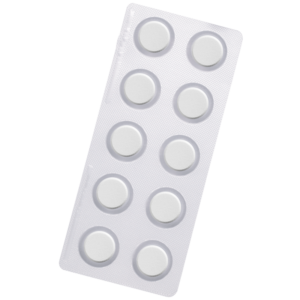
Loratadine is only available in 10 mg doses. You only need to take one tablet a day, so a pack of thirty lasts for a whole month.
This page was written by The Treated Content Team.
This page was medically reviewed by Dr. Joseph Palumbo on August 23, 2024. Next review due on August 23, 2027.
How we source info.
When we present you with stats, data, opinion or a consensus, we’ll tell you where this came from. And we’ll only present data as clinically reliable if it’s come from a reputable source, such as a state or government-funded health body, a peer-reviewed medical journal, or a recognised analytics or data body. Read more in our editorial policy.
LoratadineLoratadine
How to take Loratadine
Loratadine treatment is straightforward. All you need to do is take one tablet every day with a glass of water (preferably at the same time, since it takes about 24 hours for the medication to wear off). You can take Loratadine with or without food, as the effect will be the same and the tablet is unlikely to cause stomach upset. If you’re not used to taking tablets every day and need a little reminder, you might want to try setting an alarm on your phone or getting a pill organizer box.
To take Loratadine or any other medication correctly, you should follow the advice of the leaflet that comes with your medication.
How long does it take Loratadine to work?
Loratadine takes effect relatively quickly—you’ll be able to feel the benefits of taking it within one hour. You’ll feel the effects of Loratadine up to 24 hours after taking it, so ideally you should take your tablet at around the same time every day.
What should I do if I make a mistake when taking Loratadine?
If you forget to take a tablet, you should take it as soon as you remember. But if it’s almost time or time for the next dosage, you should skip the missed one and continue your treatment as usual. You should never take two tablets to make up for a missed dosage, because that won’t make it more effective and can potentially cause some adverse effects.
If you accidentally take more Loratadine than you’re supposed to in a 24 hour period, you might develop some side effects such as cardiac arrhythmias and a prolonged QT-interval, which is the time it takes for the heart to contract and recover. Although these effects are more likely to happen to elderly people, anyone else can experience them. If you take too much Loratadine, you should seek medical attention. This is so you can get supplemental oxygen and cardiac monitoring, just in case your body doesn’t react well to the increased dosage. [1]
To avoid making mistakes, there are a few easy things you can do. The first, and most popular method, is setting an alarm on your phone to ring every day at the same time. Something else you can do is purchase a pill organizer box, where you can set out your medication for a whole week, or even a whole month. You can also incorporate pill-taking time into your routine by leaving the box next to the kettle if you always have tea or coffee in the morning, or on the bedside table if you want to take it every night before bed.
This page was written by The Treated Content Team.
This page was medically reviewed by Dr. Joseph Palumbo on August 23, 2024. Next review due on August 23, 2027.
How we source info.
When we present you with stats, data, opinion or a consensus, we’ll tell you where this came from. And we’ll only present data as clinically reliable if it’s come from a reputable source, such as a state or government-funded health body, a peer-reviewed medical journal, or a recognised analytics or data body. Read more in our editorial policy.
LoratadineLoratadine
Loratadine isn’t suitable for everyone, and there are some things that you need to be aware of when taking it.
Here’s all the official info on it. If anything is unclear, let our clinician know, and they can talk with you about it.
LoratadineLoratadine
Loratadine: FAQ
Have something specific you want to know? Search our info below, or ask our experts a question if you can’t find what you’re looking for.
How is Loratadine different from other treatments for allergies?
Answer:
Some antihistamines, especially those that have been around for a long time, tend to cause drowsiness. So much so that you shouldn't drive or operate heavy machinery if you’re taking them.
But Loratadine, alongside a few other antihistamines, is non-drowsy, meaning that it won’t wear you out too much, and you’ll be able to drive whilst you’re taking it.
Is Loratadine similar to any other treatments?
Answer:
There are a few non-drowsy antihistamines available, including diphenhydramine, fexofenadine and cetirizine. You can get all of them over-the-counter.
Which dose of Loratadine should I use?
Answer:
Loratadine is a single dose 10 mg treatment, which makes things simpler. All you have to do is take one tablet a day. But you can still consult with a doctor to make sure that Loratadine is a good treatment option for you, and ask for advice on how to take it.
Do I need a prescription for Loratadine?
Answer:
No, you don’t need a prescription to buy Loratadine. You can get it over-the-counter at most places where medicines are sold.
How effective is Loratadine?
Answer:
A study that compared the effects of Loratadine with the effects of a placebo has shown that Loratadine is highly effective in the treatment of allergic rhinitis. [1]
Treated trusted source:
Nunes, C. and Ladeira, S. (2000).Double-blind study of cetirizine and loratadine versus placebo in patients with allergic rhinitis. Journal of Investigational Allergology & Clinical Immunology, 10(1), pp.20–23.
Last updated on Aug 23, 2024.
How we reviewed this page:
Our experts continually monitor new findings in health and medicine, and we update our articles when new info becomes available.
Aug 23, 2024
Published by: The Treated Content Team.Medically reviewed by: Dr. Joseph Palumbo, Senior Medical Adviser
How we source info.
When we present you with stats, data, opinion or a consensus, we’ll tell you where this came from. And we’ll only present data as clinically reliable if it’s come from a reputable source, such as a state or government-funded health body, a peer-reviewed medical journal, or a recognised analytics or data body. Read more in our editorial policy.
This is healthcare on your terms.
All from the comfort of your device. Get access to what you need, when you need it.
100% online
Ask questions and get expert recommendations, at the touch of a button.
Tailored choices
We'll narrow down some treatments for you to choose from based on your medical profile.
Secure shipping
Receive your treatment by express delivery, in discreet packaging.
Easy automatic refills
Set your own delivery schedule and pause or make changes any time you like.
We're making healthcare more about you. Sign up to our newsletter for personalised health articles that make a difference.
Disclaimer: The information provided on this page is not a substitute for professional medical advice, diagnosis, or treatment. If you have any questions or concerns about your health, please talk to a doctor.
Dr. Joseph Palumbo
Senior Medical Adviser
Joseph joined Treated in 2023, and is one of the lead doctors providing prescribing services for the platform.
When we present you with stats, data, opinion or a consensus, we’ll tell you where this came from. And we’ll only present data as clinically reliable if it’s come from a reputable source, such as a state or government-funded health body, a peer-reviewed medical journal, or a recognised analytics or data body. Read more in our editorial policy.
Reviews you can trust
All of our reviews are collected from real patients after their treatment has been delivered.
We publish reviews collected through independent platforms including Reviews.io and Trustpilot.