

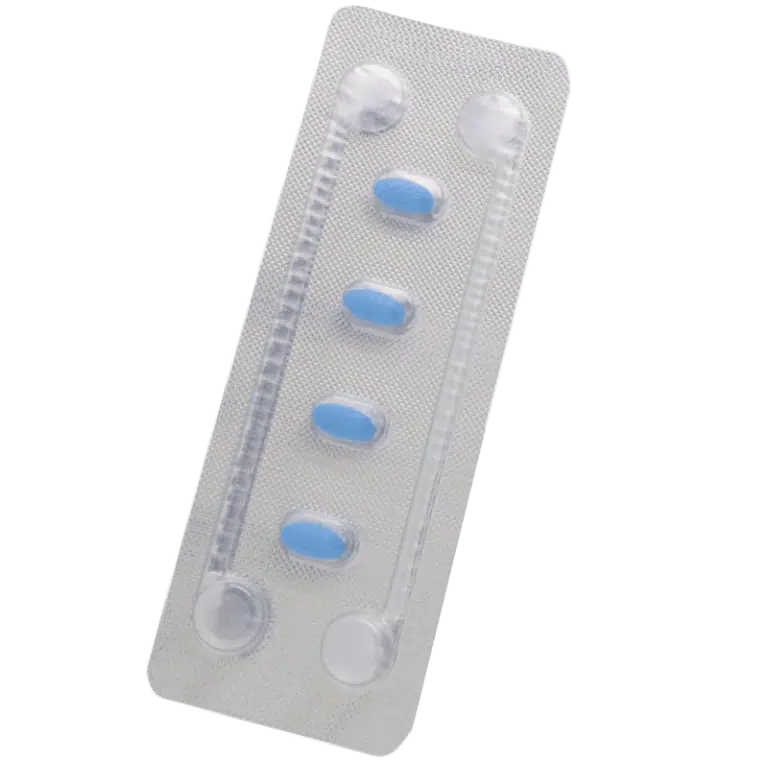
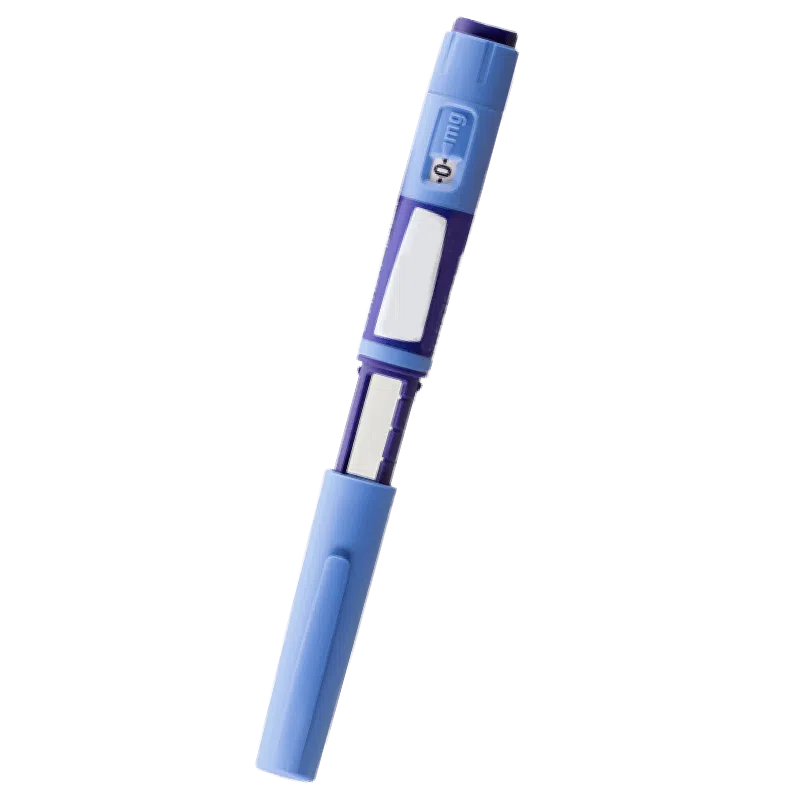


Invokana is a tablet treatment for type-2 diabetes that works to lower your blood glucose levels. It belongs to a class of medicines called SGLT2 inhibitors, which work by increasing the amount of sugar and sodium that you excrete through your urine. It’s suggested that this mode of action can also improve your kidneys’ health, as well as lower your risk of developing heart problems.1
It can either be taken on its own or, more commonly, in combination with other treatments to try to lower your blood sugar – usually when diet and exercise alone hasn’t been enough and when other treatments haven’t been fully effective.
How does Invokana work?
Type-2 diabetes is a condition that’s typically developed in adulthood, which leads to high concentrations of glucose in the bloodstream. This typically either happens either because your pancreas no longer secretes the amount of insulin that it should do, or because your cells have lost sensitivity to insulin. Insulin is an essential hormone for how your body processes the sugar that you eat.
Invokana belongs to a category of medicine that doesn’t affect either your insulin production or your cells’ sensitivity to insulin. Instead, Invokana’s active ingredient blocks the action of the hormone ‘SGLT-2’, which is responsible for the reabsorption of sugar and sodium from your kidney. This means that more glucose than normal is excreted when you urinate, leading to lower concentrations of glucose in your blood.
What doses of Invokana are there?
Invokana is available in two different doses: 100mg and 300mg. The dose that you’ll be prescribed will depend on your condition and your health.
This page was written by The Treated Content Team.
This page was medically reviewed by Dr Daniel Atkinson on January 03, 2025. Next review due on January 03, 2028.
How we source info.
When we present you with stats, data, opinion or a consensus, we’ll tell you where this came from. And we’ll only present data as clinically reliable if it’s come from a reputable source, such as a state or government-funded health body, a peer-reviewed medical journal, or a recognised analytics or data body. Read more in our editorial policy.
InvokanaCanagliflozin
How to take Invokana
You should always take Invokana exactly as prescribed by our clinician.
To take Invokana, simply swallow the tablet whole with water. The starting dose is usually to take one 100mg tablet, once a day, which might be increased to 300mg if it’s suitable.
You can take your tablet with or without food, but it’s best to take it before your first meal of the day. You might also find it easier to remember to take it if you take it at the same time each day.
How long does it take Invokana to work?
Your blood sugar should start to reduce after taking Invokana for a few weeks, but because you might not get any symptoms from your diabetes, it’s likely that you won’t feel much different. This doesn’t mean that the treatment isn’t working, though.
Your HbA1c (the test of your average blood sugar levels over the last 2-3 months) will be periodically measured during your treatment. If it doesn’t improve you might be prescribed a different or additional treatment.
What should I do if I make a mistake when taking Invokana?
If you take more Invokana than you should’ve done, you should seek medical help straight away.
If you forget your dose of Invokana, take it as soon as you remember – as long as it’s not too close to your next dose. If it is, skip that dose and carry on as normal. Don’t double doses to make up for forgotten ones.
This page was written by The Treated Content Team.
This page was medically reviewed by Dr Daniel Atkinson on January 03, 2025. Next review due on January 03, 2028.
How we source info.
When we present you with stats, data, opinion or a consensus, we’ll tell you where this came from. And we’ll only present data as clinically reliable if it’s come from a reputable source, such as a state or government-funded health body, a peer-reviewed medical journal, or a recognised analytics or data body. Read more in our editorial policy.
InvokanaCanagliflozin
Invokana isn’t suitable for everyone, and there are some things that you need to be aware of when taking it.
Here’s all the official info on it. If anything is unclear, let our clinician know, and they can talk with you about it.
InvokanaCanagliflozin
Invokana: FAQ
Have something specific you want to know? Search our info below, or ask our experts a question if you can’t find what you’re looking for.
How is Invokana different from other treatments for diabetes?
Answer:
Diabetes treatments come in a range of different forms, which can work in different ways to lower your blood sugar levels. The most commonly prescribed first-line treatment is metformin, which works to improve the way that your body handles insulin. If metformin doesn’t work, or isn’t suitable for you, you’ll likely be prescribed additional or alternative treatments to try to help reduce your blood sugar.
Invokana belongs to a category of blood sugar lowering medicines called ‘SGLT-2 inhibitors’. Most diabetes treatments either encourage insulin secretion or improve your cells’ sensitivity to insulin, whereas SGLT-2 inhibitors work a little differently. Instead of lowering your blood sugar levels with insulin, SGLT-2 inhibitors increase the amount of glucose that gets excreted in your urine. As well as lowering your blood sugar, Invokana can reduce the pressure in your kidney and slow the progression of diabetic kidney disease.1
Is Invokana similar to any other treatments?
Answer:
There are other SGLT-2 inhibitors, which will have a similar mode of action to reduce your blood sugar levels, though their active ingredients aren’t the same as Invokana’s. This means that different SGLT-2 inhibitors might be more or less effective or suitable for you, based on how your body responds to them.
There’s another treatment that also uses canagliflozin as its active ingredient, called Invokamet. But whereas Invokana is a single action treatment, Invokamtet also contains metformin. This treatment might be more suitable for you if you need to take metformin alongside Invokana.
Which dose of Invokana should I use?
Answer:
You’ll typically start on the lower dose to see how you respond to it, before graduating to an increased dose if it’s necessary. It might also be the case that you have a condition that makes it safer for you to remain on the lower dose.
Our clinician can advise you of the most suitable dose for you once you’ve talked to us about your health.
Do I need a prescription for Invokana?
Answer:
Yes, you need a prescription for Invokana. This is because it isn’t suitable for everyone, and your condition and progress will need to be monitored whilst you’re using it.
Our experts continually monitor new findings in health and medicine, and we update our articles when new info becomes available.
Jan 03, 2025
Published by: The Treated Content Team.Medically reviewed by: Dr Daniel Atkinson, Clinical Reviewer
How we source info.
When we present you with stats, data, opinion or a consensus, we’ll tell you where this came from. And we’ll only present data as clinically reliable if it’s come from a reputable source, such as a state or government-funded health body, a peer-reviewed medical journal, or a recognised analytics or data body. Read more in our editorial policy.
This is healthcare on your terms.
All from the comfort of your device. Get access to what you need, when you need it.
100% online
Ask questions and get expert recommendations, at the touch of a button.
Tailored choices
We'll narrow down some treatments for you to choose from based on your medical profile.
Secure shipping
Receive your treatment by express delivery, in discreet packaging.
Easy automatic refills
Set your own delivery schedule and pause or make changes any time you like.
We're making healthcare more about you. Sign up to our newsletter for personalised health articles that make a difference.
Disclaimer: The information provided on this page is not a substitute for professional medical advice, diagnosis, or treatment. If you have any questions or concerns about your health, please talk to a doctor.
Dr Daniel Atkinson
Clinical Reviewer
Dr Daniel is a UK doctor who reviews medical content across the site to make sure it's clinically accurate. On specific pages he's reviewed you'll see his reviewer card.
When we present you with stats, data, opinion or a consensus, we’ll tell you where this came from. And we’ll only present data as clinically reliable if it’s come from a reputable source, such as a state or government-funded health body, a peer-reviewed medical journal, or a recognised analytics or data body. Read more in our editorial policy.
Reviews you can trust
All of our reviews are collected from real patients after their treatment has been delivered.
We publish reviews collected through independent platforms including Reviews.io and Trustpilot.