

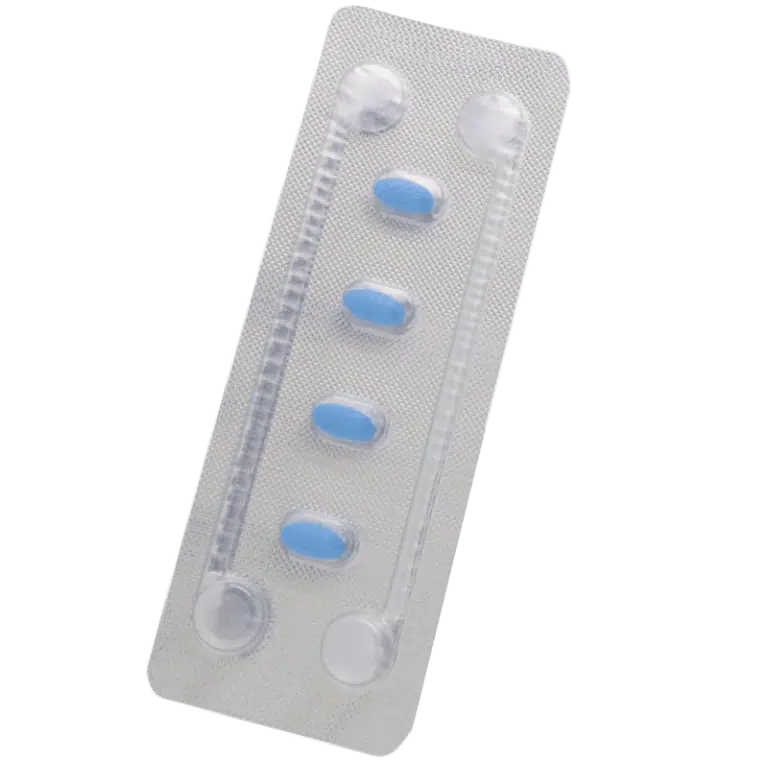
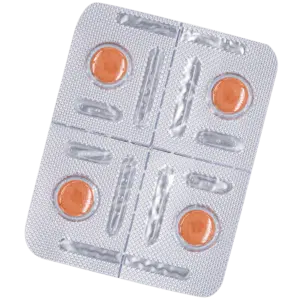


Glipizide is a generic tablet treatment that works to lower your blood sugar if you have type-2 diabetes. You take it with your breakfast, and it works through the day to increase your pancreas’ insulin secretion – an essential hormone for converting the glucose in your blood into energy for your cells.
You’ll usually take it alongside or instead of metformin, where metformin hasn’t worked on its own to maintain low blood sugar levels for you or isn’t suitable for you. It belongs to the sulfonylureas class of medicines, which is one of the most commonly prescribed types of treatment for diabetes.
How does Glipizide work?
Type-2 diabetes is a condition that you usually develop in adulthood as a result of either your pancreas not releasing as much insulin as your body needs it to, or your cells losing sensitivity to insulin (or a combination of both). This results in higher levels of sugar being present in your bloodstream than there should be, which is called hyperglycemia. Having hyperglycemia for a long period of time can increase your risk of developing serious health problems.
Sulfonylurea medicines work by binding to your pancreas’ beta cells and closing their potassium channels. This then sets off a chain reaction within the cells that allows calcium into the cells, triggering the release of increased amounts of insulin, which then works to lower your blood sugar levels.[1]
What doses of Glipizide are there?
Glipizide is only available in 5mg tablets, though you might be advised to take more or less Glipizide depending on your condition and needs. The maximum recommended daily dose is 20mg (four 5mg tablets).
Treated trusted source:
Bösenberg, L.H. and van Zyl, D.G. (2008). The mechanism of action of oral antidiabetic drugs: A review of recent literature. Journal of Endocrinology, Metabolism and Diabetes of South Africa, 13(3), pp.80–88.
This page was written by The Treated Content Team.
This page was medically reviewed by Dr. Joseph Palumbo on January 07, 2025. Next review due on January 07, 2028.
How we source info.
When we present you with stats, data, opinion or a consensus, we’ll tell you where this came from. And we’ll only present data as clinically reliable if it’s come from a reputable source, such as a state or government-funded health body, a peer-reviewed medical journal, or a recognised analytics or data body. Read more in our editorial policy.
GlipizideGlipizide
How to take Glipizide
You should always take Glipizide exactly as prescribed by our clinician.
To take Glipizide, swallow your tablet whole with water. The initial dose is usually to take one 5mg tablet, 30 minutes before breakfast or lunch.
If you are elderly, have mild diabetes or have kidney or liver problems then you might be advised to only take 2.5mg, this would involve you breaking your tablet in half at the line.
How long does it take Glipizide to work?
Glipizide should start to get to work to lower your blood sugar around 30 minutes after you take it, and it reaches its full effect in your body after 2-3 hours.[1] It should continue to work in your system for 24 hours until your next dose, even if there are only small amounts of it in your system.[2]
Because type-2 diabetes doesn’t usually cause noticeable symptoms, it’s likely that you won’t feel the effects of Glipizide when you take it, but that doesn’t mean that it isn’t working. It might also take a few weeks for your HbA1c (the test of your average blood sugar levels over the last 2-3 months) to drop.
What should I do if I make a mistake when taking Glipizide?
If you accidentally take too much Glipizide, you should seek medical help straight away. Taking too much Glipizide can cause hypoglycemia (low blood sugar). If you feel unwell your symptoms might be improved by eating or drinking something sugary.
If you forget your dose of Glipizide you should take it as soon as you remember. Don’t double your dose to make up for the forgotten one.
This page was written by The Treated Content Team.
This page was medically reviewed by Dr. Joseph Palumbo on January 07, 2025. Next review due on January 07, 2028.
How we source info.
When we present you with stats, data, opinion or a consensus, we’ll tell you where this came from. And we’ll only present data as clinically reliable if it’s come from a reputable source, such as a state or government-funded health body, a peer-reviewed medical journal, or a recognised analytics or data body. Read more in our editorial policy.
GlipizideGlipizide
Glipizide isn’t suitable for everyone, and there are some things that you need to be aware of when taking it.
Here’s all the official info on it. If anything is unclear, let our clinician know, and they can talk with you about it.
GlipizideGlipizide
Glipizide: FAQ
Have something specific you want to know? Search our info below, or ask our experts a question if you can’t find what you’re looking for.
How is Glipizide different from other treatments for type-2 diabetes?
Answer:
Type-2 diabetes treatments can come in both different types and forms. Glipizide is a form of sulfonylurea, but you might be prescribed a different type of medicine, such as metformin, or a DPP-4 inhibitor or a GLP-1 agonist.
Each type of diabetes treatment works in a slightly different way to lower your blood sugar, and different types might suit you more or less depending on your condition and your health. The most commonly prescribed first-line treatment is metformin, but it’s not uncommon for combinations of different treatments to be prescribed if monotherapy (one treatment on its own) isn’t doing enough to reduce and maintain your blood sugar levels.
Is Glipizide similar to any other treatments?
Answer:
Glipizide is a generic treatment, but there’s a branded equivalent of it that contains the same active ingredient in the same dose, called Minodiab. Both of these treatments will work in much the same way to help your condition, they’ll just be made by different companies in different labs. Generic treatments like Glipizide are typically a little cheaper than their branded equivalents.
Do I need a prescription for Glipizide?
Answer:
Yes, you need a prescription for Glipizide. This is because it isn’t suitable for everyone, and your condition will need to be monitored whilst you’re taking it to make sure that it stays effective at controlling your blood sugar. Diabetes treatments can become less effective for many people over time, so your HbA1c will need to be periodically checked in case your dose or treatment needs to be adjusted.
Last updated on Jan 7, 2025.
How we reviewed this page:
Our experts continually monitor new findings in health and medicine, and we update our articles when new info becomes available.
Jan 07, 2025
Published by: The Treated Content Team.Medically reviewed by: Dr. Joseph Palumbo, Senior Medical Adviser
How we source info.
When we present you with stats, data, opinion or a consensus, we’ll tell you where this came from. And we’ll only present data as clinically reliable if it’s come from a reputable source, such as a state or government-funded health body, a peer-reviewed medical journal, or a recognised analytics or data body. Read more in our editorial policy.
This is healthcare on your terms.
All from the comfort of your device. Get access to what you need, when you need it.
100% online
Ask questions and get expert recommendations, at the touch of a button.
Tailored choices
We'll narrow down some treatments for you to choose from based on your medical profile.
Secure shipping
Receive your treatment by express delivery, in discreet packaging.
Easy automatic refills
Set your own delivery schedule and pause or make changes any time you like.
We're making healthcare more about you. Sign up to our newsletter for personalised health articles that make a difference.
Disclaimer: The information provided on this page is not a substitute for professional medical advice, diagnosis, or treatment. If you have any questions or concerns about your health, please talk to a doctor.
Dr. Joseph Palumbo
Senior Medical Adviser
Joseph joined Treated in 2023, and is one of the lead doctors providing prescribing services for the platform.
When we present you with stats, data, opinion or a consensus, we’ll tell you where this came from. And we’ll only present data as clinically reliable if it’s come from a reputable source, such as a state or government-funded health body, a peer-reviewed medical journal, or a recognised analytics or data body. Read more in our editorial policy.
Reviews you can trust
All of our reviews are collected from real patients after their treatment has been delivered.
We publish reviews collected through independent platforms including Reviews.io and Trustpilot.