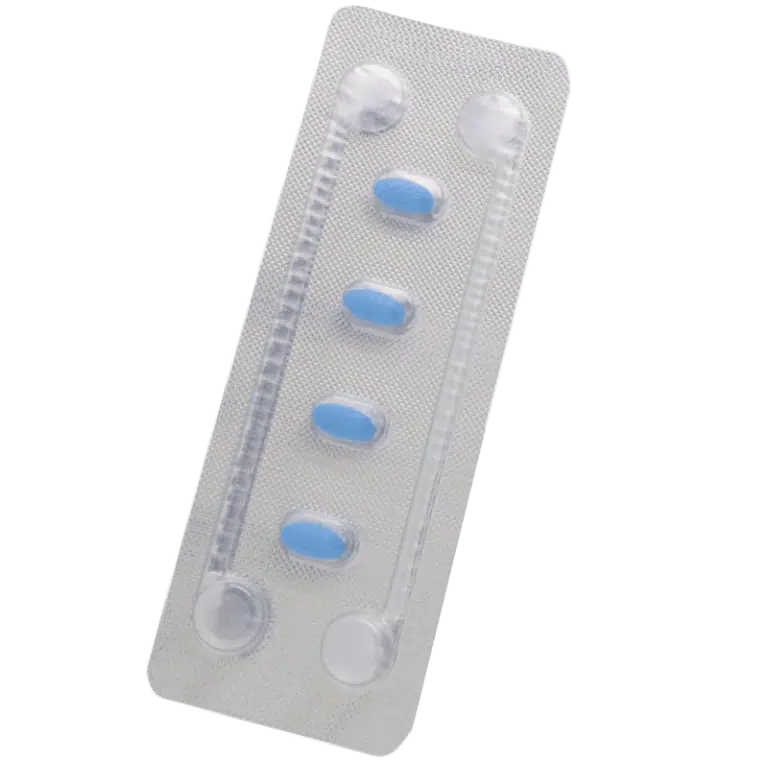
What is Fesoterodine?
Fesoterodine is a daily pill to help improve your bladder control. It’s a type of medicine called an antimuscarinic, which belongs to a class of medicines called anticholinergics. It’s FDA-approved to treat symptoms of an overactive bladder, like urgency, frequency, and leakage.
It works by blocking certain signals in your bladder that cause it to contract too often. With fewer contractions, you’ll have better bladder control, less urgency, and fewer leaks.[2]
How does Fesoterodine work for urinary incontinence?
Most people with urge incontinence leak because their bladder muscle contracts too often, even when it isn’t full. Fesoterodine is converted in your body into an active substance that blocks muscarinic receptors in the bladder, which calms these bladder contractions.[2]
Studies show that both 4 mg and 8 mg can reduce your chance of leaks, bathroom trips, and urgency compared with a placebo (no treatment).[3]
Will I get side effects using Fesoterodine?
Like most bladder medicines, Fesoterodine can cause side effects.
Common ones include:
- Dry mouth
- Constipation
- Headache
- Dizziness or blurred vision
Because fesoterodine acts on brain receptors too, there’s a small risk of memory changes, confusion, or dementia-like symptoms, especially in older adults.[1] This is a risk with most antimuscarinic medications.
Serious side effects are rare but can include:
- Trouble urinating (urinary retention)
- Severe constipation or stomach pain
- Allergic reaction (swelling of the lips, face, or throat)
If you experience serious side effects, stop using fesoterodine and seek medical help straight away.
What doses of Fesoterodine are there?
Fesoterodine comes as extended-release tablets in two strengths: 4 mg and 8 mg.
The usual starting dose is 4 mg once daily, but if your symptoms don’t improve enough and side effects are manageable, your dose might be increased to 8 mg once daily.
For people with severe kidney or liver problems, or who take certain other medicines, the maximum safe dose is 4 mg.[1]
How we source info.
When we present you with stats, data, opinion or a consensus, we’ll tell you where this came from. And we’ll only present data as clinically reliable if it’s come from a reputable source, such as a state or government-funded health body, a peer-reviewed medical journal, or a recognised analytics or data body. Read more in our editorial policy.