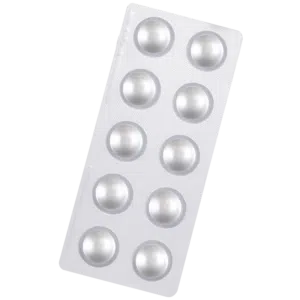
What is Febuxostat?
Febuxostat is a prescription medicine used to treat hyperuricemia (high levels of uric acid) in people with gout. It works by helping to prevent the build-up of uric acid, which forms crystals in joints and causes the pain and swelling associated with gout flares.
It’s most often prescribed if allopurinol has been ineffective or given you side effects.[1]
How does Febuxostat work for gout?
Febuxostat is a xanthine oxidase inhibitor. That means it blocks the enzyme responsible for producing uric acid in the body. By lowering the production of uric acid, it helps to lower levels in your blood over time. This stops new crystals from forming and gives your body a chance to dissolve the existing ones.[1]
This helps reduce the number of painful flare-ups and the risk of complications like joint damage or tophi (lumps under the skin caused by crystal deposits).
Will I get side effects using Febuxostat?
You might get side effects, especially during the first few months as uric acid levels begin to drop. These can include:
- Nausea
- Joint pain
- Rash
- Liver function changes
Serious side effects are rare, but febuxostat has been linked to an increased risk of cardiovascular events in some patients.[1] A doctor will assess your risk before prescribing it. If you do have existing heart conditions, you might need a different treatment.
It’s also worth noting that febuxostat can sometimes cause acute kidney injury (AKI), though this is rare. If you have existing kidney problems, a clinician will need to decide whether this medication is suitable for you.[2]
What doses of Febuxostat are there?
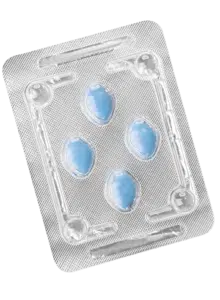
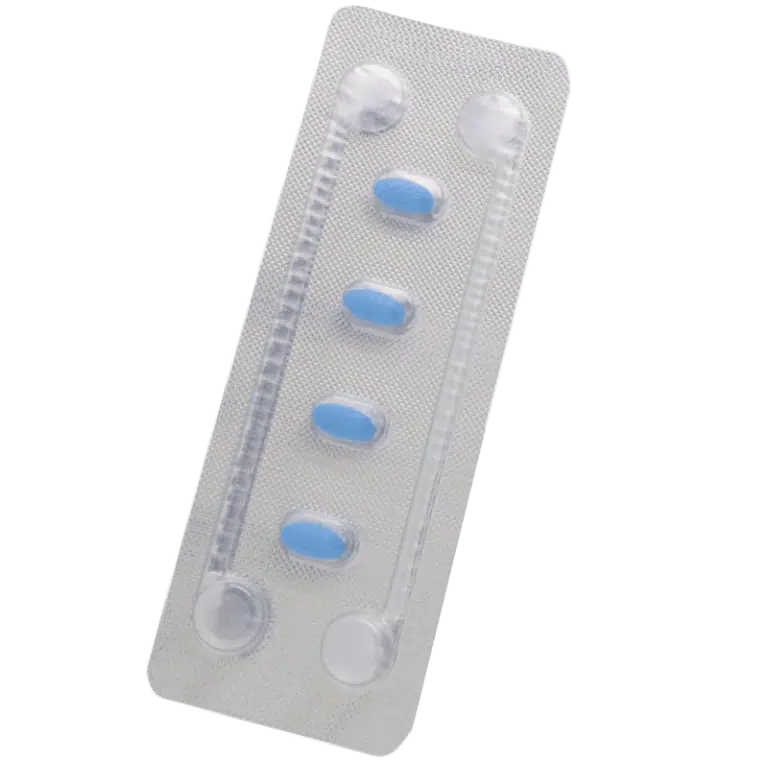
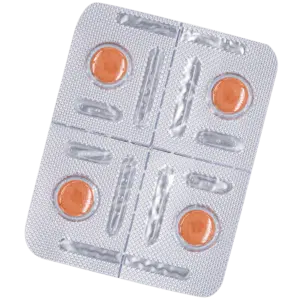
Febuxostat is available in 40 mg and 80 mg tablets. You’ll typically start on 40 mg once a day. If your uric acid levels don’t come down enough, a doctor might increase your dose.
It’s meant to be taken long-term, even if your symptoms improve. You shouldn’t stop taking it unless a doctor tells you to.
Treated trusted source:
- Avena-Woods, C. and Hilas, O. (2010). Febuxostat (Uloric), A New Treatment Option for Gout. Pharmacy and Therapeutics, [online] 35(2), p.82.
- Rey, A., et al. (2019). Acute kidney injury associated with febuxostat and allopurinol: a post-marketing study. Arthritis Research & Therapy, 21(1).
How we source info.
When we present you with stats, data, opinion or a consensus, we’ll tell you where this came from. And we’ll only present data as clinically reliable if it’s come from a reputable source, such as a state or government-funded health body, a peer-reviewed medical journal, or a recognised analytics or data body. Read more in our editorial policy.