

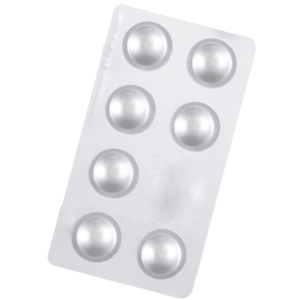

Famotidine is an antihistamine that helps relieve symptoms of allergic reactions. Although it can’t treat anaphylaxis, which requires immediate treatment with epinephrine, it can help prevent late-phase reactions and relieve gastrointestinal (GI) symptoms.
Anaphylaxis is a potentially life-threatening condition that, like any allergy, is usually triggered by your immune system overreacting to an otherwise harmless substance. It’s treated with epinephrine, which works within seconds to alleviate symptoms, as well as help from trained medical professionals.
How does Famotidine work?
Famotidine is an H2-antihistamine that blocks H2 receptors by binding to them. Histamine is a key chemical involved in anaphylaxis. It widens the blood vessels, causing the blood pressure to drop, and narrows the smooth muscles in your airways, making it hard to breathe.[1]
By blocking the receptors, Famotidine helps alleviate symptoms. Although it’s not a first-line treatment, it can prevent late-phase reactions or treat GI symptoms caused by anaphylaxis.
Famotidine may be used alongside an H1-antihistamine to make it more effective.[2]
What doses of Famotidine are there?
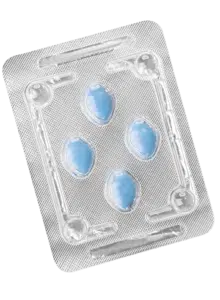
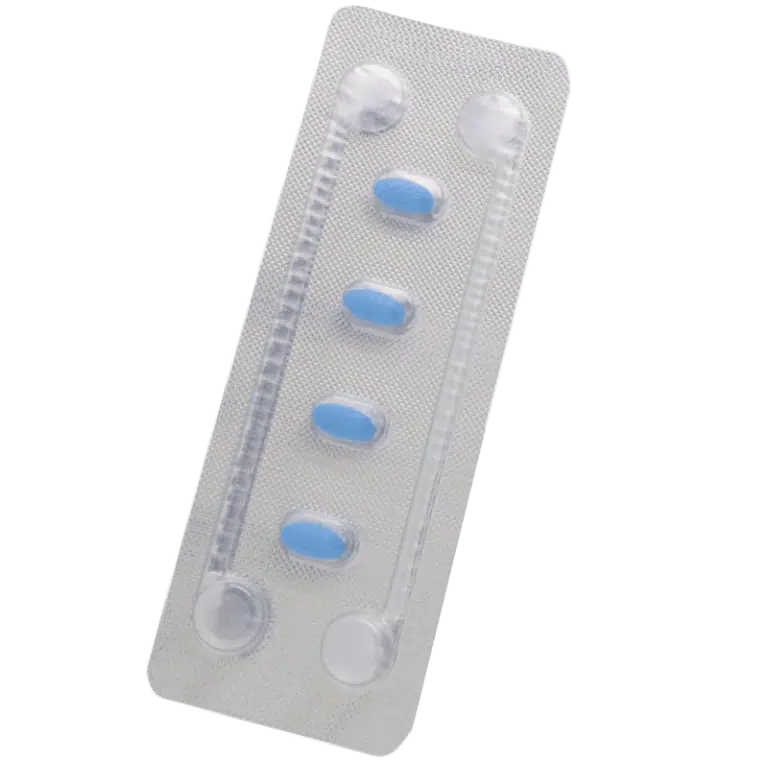
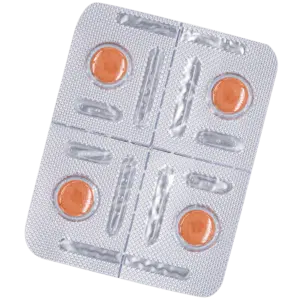
Famotidine is available in three doses: 10 mg, 20 mg and 40mg tablets. The typical dose is up to 40 mg a day for two to three days after the anaphylactic reaction. Your doctor will tell you exactly how much Famotidine to take when they prescribe it to you.
Treated trusted source:
Nguyen K, Dersnah GD, Patel P, et al. Famotidine. [Updated 2024 Jan 14]. In: StatPearls [Internet]. Treasure Island (FL): StatPearls Publishing; 2025 Jan-.
This page was written by The Treated Content Team.
This page was medically reviewed by Dr Alexandra Cristina Cowell on April 07, 2025. Next review due on April 07, 2028.
How we source info.
When we present you with stats, data, opinion or a consensus, we’ll tell you where this came from. And we’ll only present data as clinically reliable if it’s come from a reputable source, such as a state or government-funded health body, a peer-reviewed medical journal, or a recognised analytics or data body. Read more in our editorial policy.
FamotidineFamotidine
How to take Famotidine
Swallow one tablet whole with water 15 minutes to one hour before eating. If you’re taking multiple tablets daily, space them out evenly throughout the day.
How long does Famotidine take to work?
Famotidine is quickly absorbed, reaching peak concentration within one to three hours, and its effects can last approximately 10 to 12 hours.
I made a mistake when taking Famotidine, now what?
If you forget to take a dose, take it as soon as you remember, unless it’s close to the next scheduled dose. In that case, skip the missed dose and continue with your dosing schedule.
If you took more than the recommended dose, contact your local emergency department immediately. You may experience symptoms like a headache or dizziness.
This page was written by The Treated Content Team.
This page was medically reviewed by Dr Alexandra Cristina Cowell on April 07, 2025. Next review due on April 07, 2028.
How we source info.
When we present you with stats, data, opinion or a consensus, we’ll tell you where this came from. And we’ll only present data as clinically reliable if it’s come from a reputable source, such as a state or government-funded health body, a peer-reviewed medical journal, or a recognised analytics or data body. Read more in our editorial policy.
FamotidineFamotidine
Famotidine isn’t suitable for everyone, and there are some things that you need to be aware of when taking it.
Here’s all the official info on it. If anything is unclear, let our doctor know, and they can talk with you about it.
FamotidineFamotidine
Famotidine: FAQ
Have something specific you want to know? Search our info below, or ask our experts a question if you can’t find what you’re looking for.
What is Famotidine used for?
Answer:
Famotidine is commonly used to treat gastroesophageal reflux disease (GERD), a condition where stomach acid rises to the throat, causing heartburn and digestive issues. Famotidine stops acid production by blocking the H2 receptors in the stomach, helping treat GERD.
It can also help treat other conditions like stomach ulcers, acid indigestion, and Zollinger-Ellison syndrome.
It’s not a primary treatment for anaphylaxis, which is typically treated with epinephrine, but it can relieve GI symptoms caused by anaphylaxis and prevent late-phase anaphylaxis symptoms.
Will I get side effects using Famotidine?
Answer:
There’s a chance of experiencing side effects when using Famotidine, including:
Headache
Dizziness
Constipation
Diarrhea
Loss of appetite
For the full list of side effects, check the package insert.
The side effects should subside when you stop using Famotidine. But if they persist or worsen, contact your doctor for medical advice.
Is there a branded version of Famotidine?
Answer:
Famotidine is a generic version of Pepcid and Zantac. They contain the same active ingredient and work similarly, so they should be just as effective as each other. Aside from that, there are a few differences, such as the packaging, formula, concentration and price, with the generic version usually being cheaper.
Can I take Famotidine during pregnancy?
Answer:
No, you should avoid taking Famotidine during pregnancy. While specific info is limited, some studies suggest it may reach your unborn baby. Likewise, Famotidine should be avoided when breastfeeding as it can pass into breastmilk.
Your doctor will only prescribe Famotidine if they believe that its benefits will outweigh the risks.
Last updated on Apr 06, 2025.
How we reviewed this page:
Our experts continually monitor new findings in health and medicine, and we update our articles when new info becomes available.
Apr 06, 2025
Published by: The Treated Content Team.Medically reviewed by: Dr Alexandra Cristina Cowell, Writer & Clinical Content Reviewer
How we source info.
When we present you with stats, data, opinion or a consensus, we’ll tell you where this came from. And we’ll only present data as clinically reliable if it’s come from a reputable source, such as a state or government-funded health body, a peer-reviewed medical journal, or a recognised analytics or data body. Read more in our editorial policy.
This is healthcare on your terms.
All from the comfort of your device. Get access to what you need, when you need it.
100% online
Ask questions and get expert recommendations, at the touch of a button.
Tailored choices
We'll narrow down some treatments for you to choose from based on your medical profile.
Secure shipping
Receive your treatment by express delivery, in discreet packaging.
Easy automatic refills
Set your own delivery schedule and pause or make changes any time you like.
We're making healthcare more about you. Sign up to our newsletter for personalised health articles that make a difference.
Disclaimer: The information provided on this page is not a substitute for professional medical advice, diagnosis, or treatment. If you have any questions or concerns about your health, please talk to a doctor.
Dr Alexandra Cristina Cowell
Writer & Clinical Content Reviewer
Cristina writes content for Treated, and reviews content produced by our other writers to make sure it’s clinically accurate.
When we present you with stats, data, opinion or a consensus, we’ll tell you where this came from. And we’ll only present data as clinically reliable if it’s come from a reputable source, such as a state or government-funded health body, a peer-reviewed medical journal, or a recognised analytics or data body. Read more in our editorial policy.
Reviews you can trust
All of our reviews are collected from real patients after their treatment has been delivered.
We publish reviews collected through independent platforms including Reviews.io and Trustpilot.