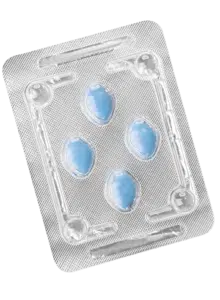
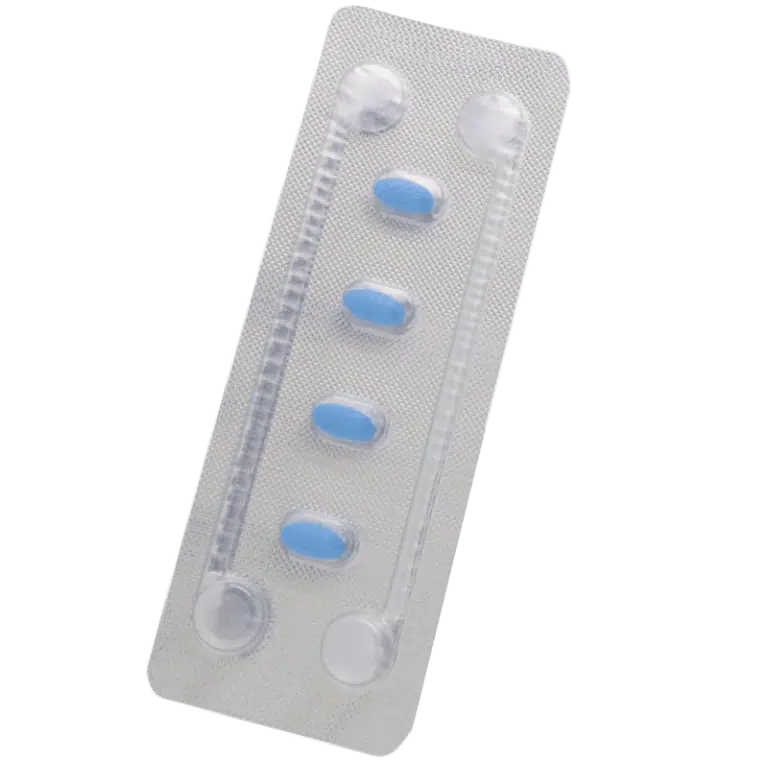
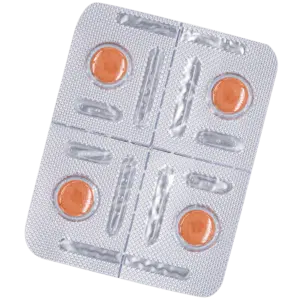
Ezetimibe (pronounced e-ZET-i-mibe) is a tablet treatment used to lower blood cholesterol and triglycerides. Cholesterol is a key component of your cells, while triglycerides are a type of fat that your body uses for energy.[1]
These fatty substances are essential for a healthy body, but too much of them can cause heart disease, stroke and other health issues.
It’s typically used to treat high cholesterol, either alongside another medication for high cholesterol like statins or fibrates, or as an alternative when these aren’t a good option.
Ezetimibe is the generic version of Zetia. They contain the same active ingredient, ezetimibe, at a strength of 10mg. Both medications work the same way, but they differ in packaging and price, with the generic version typically being more affordable than the brand name.
How does Ezetimibe work?
Ezetimibe helps regulate fatty substances in your body by lowering your blood levels of bad (LDL) cholesterol and triglycerides, and increasing your levels of good (HDL) cholesterol. Too much LDL cholesterol can build up in your arteries, forming plaque that raises the risk of heart attacks and strokes. HDL cholesterol, on the other hand, is often called “good” because it helps keep the bad cholesterol at bay and helps prevent heart disease.
It has a unique mode of action, compared to other cholesterol-lowering drugs like statins. Rather than interfering with cholesterol production in the liver, it targets the Niemann-Pick C1-Like 1 (NPC1L1) protein in your small intestine.[2] This protein helps intestinal cells take up cholesterol, so by blocking it, ezetimibe lowers the amount of cholesterol in your body.
What doses are available for Ezetimibe?
Ezetimibe is available as a 10 mg tablet, which is the only dose currently offered. While ezetimibe is the active ingredient, the tablet also contains the following inactive ingredients: croscarmellose sodium, lactose monohydrate, hypromellose, crospovidone, microcrystalline cellulose, magnesium stearate and sodium lauryl sulfate.
Treated trusted source:
Knopp, R.H., et al. (2003).Evaluation of the efficacy, safety, and tolerability of ezetimibe in primary hypercholesterolaemia: a pooled analysis from two controlled phase III clinical studies. International journal of clinical practice, 57(5), pp.363–8.
This page was written by The Treated Content Team.
This page was medically reviewed by Dr. Joseph Palumbo on February 24, 2025. Next review due on February 24, 2028.
How we source info.
When we present you with stats, data, opinion or a consensus, we’ll tell you where this came from. And we’ll only present data as clinically reliable if it’s come from a reputable source, such as a state or government-funded health body, a peer-reviewed medical journal, or a recognised analytics or data body. Read more in our editorial policy.
EzetimibeEzetimibe
How to take Ezetimibe
Take your medication exactly as your doctor has prescribed, but the usual dose is one 10mg tablet per day. Take your Ezetimibe tablet by mouth with a glass of water, with or without food. If you’ve also been prescribed statins like atorvastatin (Lipitor) or simvastatin (Zocor), you can take both medications together.
You can take Ezetimibe at any time of the day, it doesn’t have to be in the evening. But if you take your statin at night, you can take both of them at the same time.
Also, if you’re using a bile acid sequestrant like colestipol (Colestid) to treat high cholesterol, make sure to take it at least two hours after or four hours before the Ezetimibe treatment.
How long does it take for Ezetimibe to work?
Ezetimibe tablets are quickly absorbed in your body, with peak levels of the medication in your bloodstream reached after four to twelve hours.[1] However, it’ll take about two weeks of daily use before your blood tests show a reduction in cholesterol levels.
How long does Ezetimibe stay in your system?
About half of the active ingredient in one Ezetimibe tablet is cleared from your body within 22 hours.[2] Most of the drug is eliminated within 48 hours, based on measurements of plasma radioactivity after taking a version of the drug containing radioactive carbon called carbon-14.[3]
This page was written by The Treated Content Team.
This page was medically reviewed by Dr. Joseph Palumbo on February 24, 2025. Next review due on February 24, 2028.
How we source info.
When we present you with stats, data, opinion or a consensus, we’ll tell you where this came from. And we’ll only present data as clinically reliable if it’s come from a reputable source, such as a state or government-funded health body, a peer-reviewed medical journal, or a recognised analytics or data body. Read more in our editorial policy.
EzetimibeEzetimibe
Ezetimibe is only suitable for some people, and there are some things you should know before taking it.
Here’s all the official info you need. If you need further help, talk to our team of expert physicians whenever you’re online.
EzetimibeEzetimibe
Ezetimibe: FAQ
Have something specific you want to know? Search our info below, or ask our experts a question if you can’t find what you’re looking for.
Does Ezetimibe interact with other drugs I’m taking?
Answer:
Ezetimibe can interact with certain medications, so it’s important to talk to your doctor or pharmacist about any other drugs you're taking.
Some medications require adjustments or closer monitoring, so let your doctor know if you're taking medications like:[1]
ciclosporin, which is often used after organ transplants, and which increases the exposure to Ezetimibe;
blood thinners like warfarin, as Ezetimibe could increase the International Normalized Ratio (INR, a blood test that measures how long it takes for your blood to clot);
colestyramine, another medication used to treat high cholesterol, as it can influence Ezetimibe’s absorption in your system; or:
fibrates like ciprofibrate, since they can increase the risk of gallstones when taken together with Ezetimibe.
Is Ezetimibe safer than statins?
Answer:
It varies from person to person, but Ezetimibe has been generally well tolerated in clinical trials and is nearly as safe as a placebo. Side effects are usually mild, with headaches and muscle pain being the most common. These and other side effects are reported more often in people taking statins.[2]
Will I get side effects from using Ezetimibe?
Answer:
Although it’s generally well tolerated, Ezetimibe can cause side effects. But it’s not guaranteed that you’ll experience any.
Most common side effects are diarrhea, tiredness, stomach pain and gas.
Other side effects include a cough, feeling nauseous, joint or neck pain, higher levels of certain liver enzymes (transaminases) and muscle enzymes (creatine kinase), loss of appetite, high blood pressure, and hot flashes.
Most of Ezetimibe’s adverse reactions should improve within a few days or weeks. However, some side effects might continue as long as you're on the medication. For instance, some people had to stop taking it because their liver enzyme levels went up.
Does Ezetimibe cause weight gain?
Answer:
Weight gain or weight loss wasn’t reported as a side effect in Ezetimibe’s clinical trials. In fact, since it’s often prescribed alongside a low-cholesterol diet, you might lose weight simply from eating healthier.
Who should not take Ezetimibe?
Answer:
You should avoid taking Ezetimibe if you're allergic to it or any of its ingredients, and you shouldn’t take it with a statin if you have liver problems or are pregnant or breastfeeding.
Davidson, M.H. (2003).Ezetimibe: a novel option for lowering cholesterol. Expert Review of Cardiovascular Therapy, 1(1), pp.11–21.
Last updated on Feb 23, 2025.
How we reviewed this page:
Our experts continually monitor new findings in health and medicine, and we update our articles when new info becomes available.
Feb 23, 2025
Published by: The Treated Content Team.Medically reviewed by: Dr. Joseph Palumbo, Senior Medical Adviser
How we source info.
When we present you with stats, data, opinion or a consensus, we’ll tell you where this came from. And we’ll only present data as clinically reliable if it’s come from a reputable source, such as a state or government-funded health body, a peer-reviewed medical journal, or a recognised analytics or data body. Read more in our editorial policy.
This is healthcare on your terms.
All from the comfort of your device. Get access to what you need, when you need it.
100% online
Ask questions and get expert recommendations, at the touch of a button.
Tailored choices
We'll narrow down some treatments for you to choose from based on your medical profile.
Secure shipping
Receive your treatment by express delivery, in discreet packaging.
Easy automatic refills
Set your own delivery schedule and pause or make changes any time you like.
We're making healthcare more about you. Sign up to our newsletter for personalised health articles that make a difference.
Disclaimer: The information provided on this page is not a substitute for professional medical advice, diagnosis, or treatment. If you have any questions or concerns about your health, please talk to a doctor.
Dr. Joseph Palumbo
Senior Medical Adviser
Joseph joined Treated in 2023, and is one of the lead doctors providing prescribing services for the platform.
When we present you with stats, data, opinion or a consensus, we’ll tell you where this came from. And we’ll only present data as clinically reliable if it’s come from a reputable source, such as a state or government-funded health body, a peer-reviewed medical journal, or a recognised analytics or data body. Read more in our editorial policy.
Reviews you can trust
All of our reviews are collected from real patients after their treatment has been delivered.
We publish reviews collected through independent platforms including Reviews.io and Trustpilot.